Free written scope consultation - allowances, timeline, and change-order rules on paper before a single trade is scheduled
Cambria Roofing: The Orlando Owner’s Guide
We stock and install Cambria-compatible roofing parts across Orlando, with most replacements running $400 to $1,800 installed depending on the component and roof access. If you have a Cambria product and something has failed, we can usually match the part the same week and have it installed by one of our background-checked, uniformed technicians. The way most Orlando homeowners discover a problem is not subtle: a dark water stain on the ceiling, granules collecting in the gutter after a storm, or a shingle flapping loose after an afternoon thunderstorm rolls through.
Cambria is best known for quartz surfaces, but when their name shows up on roofing components, it’s typically a licensed line of architectural shingles or metal roofing accessories sold through select Florida supply houses. Sawyer Remodel Orlando is an independent service provider, not affiliated with Cambria, but we work with their material daily and know which parts interchange and which ones do not. That matters in Orlando, where summer heat and hurricane-season wind cycles expose a weak component in about five years or less.
Which Cambria Models This Applies To
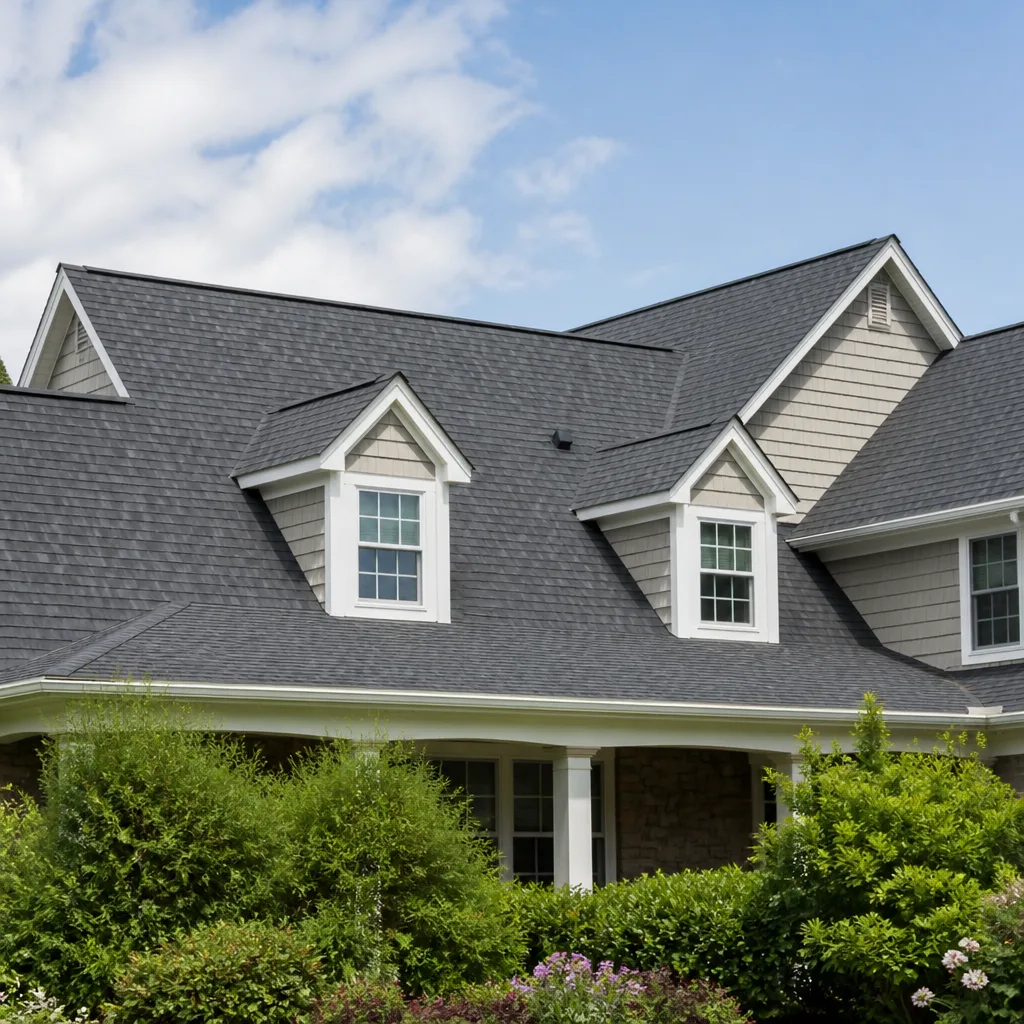
Cambria’s roofing line in Florida has shifted over the years, and the part you need depends on which series you have. The Cambria Slate profile, common on homes built between 2015 and 2022 around Lake Nona and Winter Park, uses an 12½-inch exposure with a 1-inch nail strip. Cambria’s Stone Steel series, found on some Baldwin Park and College Park homes, runs a wider 14-inch exposure and requires stainless fasteners because the alloy is more reactive to Central Florida humidity.
The fastest way to identify what you have is to check the underside of a loose shingle or the face of the original install invoice. The series name is printed along the selvage edge, and the manufacturing lot code is stamped in four digits, year first. If you no longer have the invoice, measure the exposed tab against a tape measure. That 12½ versus 14-inch difference is the single most common compatibility gotcha we see on Orlando service calls, and installing the wrong spec means the overlap does not lay flat, which is exactly how wind gets under the course.
On the OEM versus aftermarket decision: for cosmetic trims like ridge caps and vent collars, a quality aftermarket equivalent usually performs equally well and runs 15 to 20 percent less. For structural components, the underlayment seam tape and the Cambria-specific starter strips, we recommend staying with OEM. The adhesive chemistry on the starter strip is matched to the shingle’s asphalt blend, and after a few Central Florida summers, a generic substitute can let go at the eave line. That is the first place wind-driven rain enters.
Styles & brands we work with
Signs Your Cambria Roofing Is Failing
- Granule loss in the gutter or at the downspout elbows. Architectural shingles shed some granules early, but consistent grit after year four means the asphalt surface is oxidizing faster than it should, usually from trapped heat or a ventilation shortfall in the attic.
- Visible curling or lifting at the corners of individual tabs. In Orlando’s daily thermal cycle, shingles expand by day and contract at night. When the nail strip loses grip, the corner lifts first, and the next sustained wind event peels the whole course back.
- Dark streaks that do not wash off with rain. The blue-black staining you see across the roof plane is usually algae feeding on the limestone filler in the asphalt. We see this most on the north and east slopes of Orlando homes, where damp shade lingers longer.
- Loose or missing ridge caps after a storm. Ridge caps take the most direct wind uplift of any component on a roof. If you find cap shingles in the yard or neighbor’s lawn after a storm, the roof is compromised at its highest point.
- Water staining around pipe boots or attic vent collars. Rubber boots dry-rot under UV exposure in about six to eight years in Florida, sooner if the pipe is on a south or west facing slope. A cracked boot lets water walk straight down the pipe and into the ceiling below.
See the difference
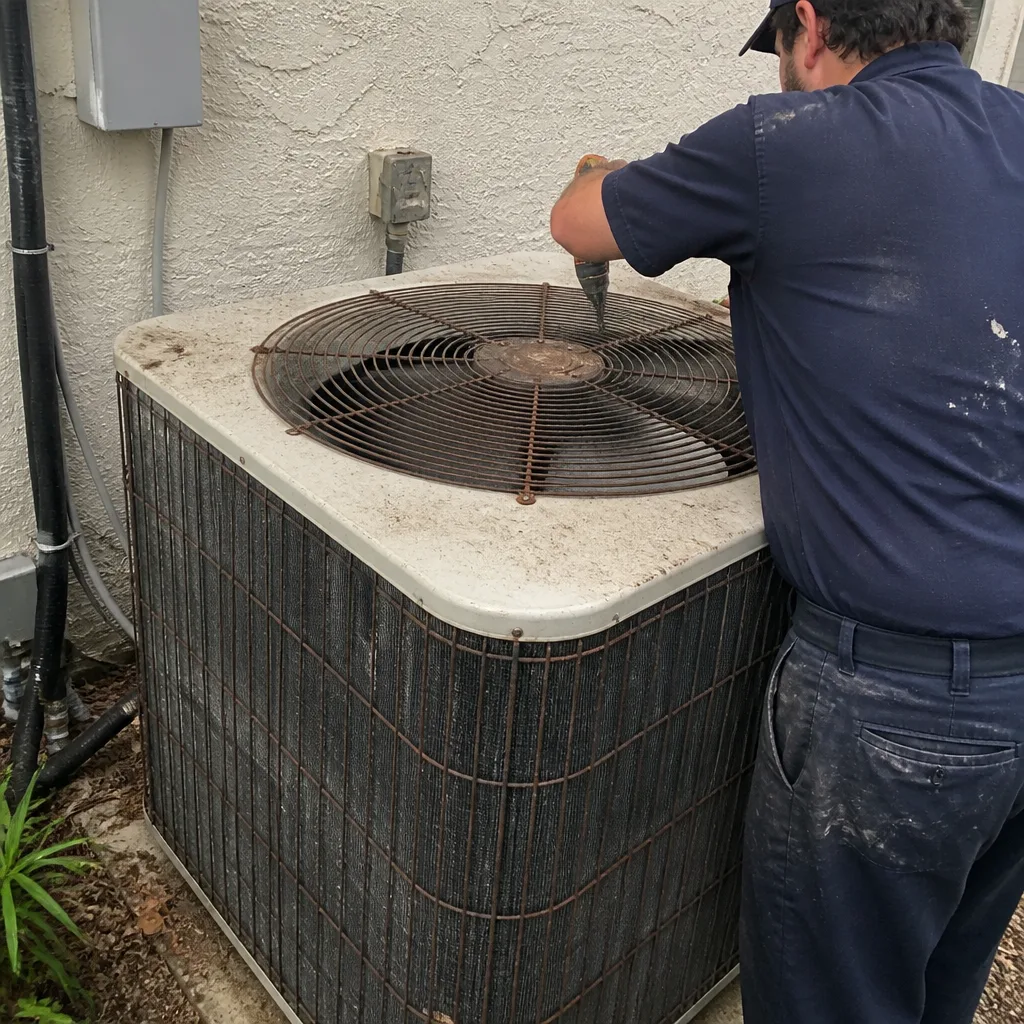 Before
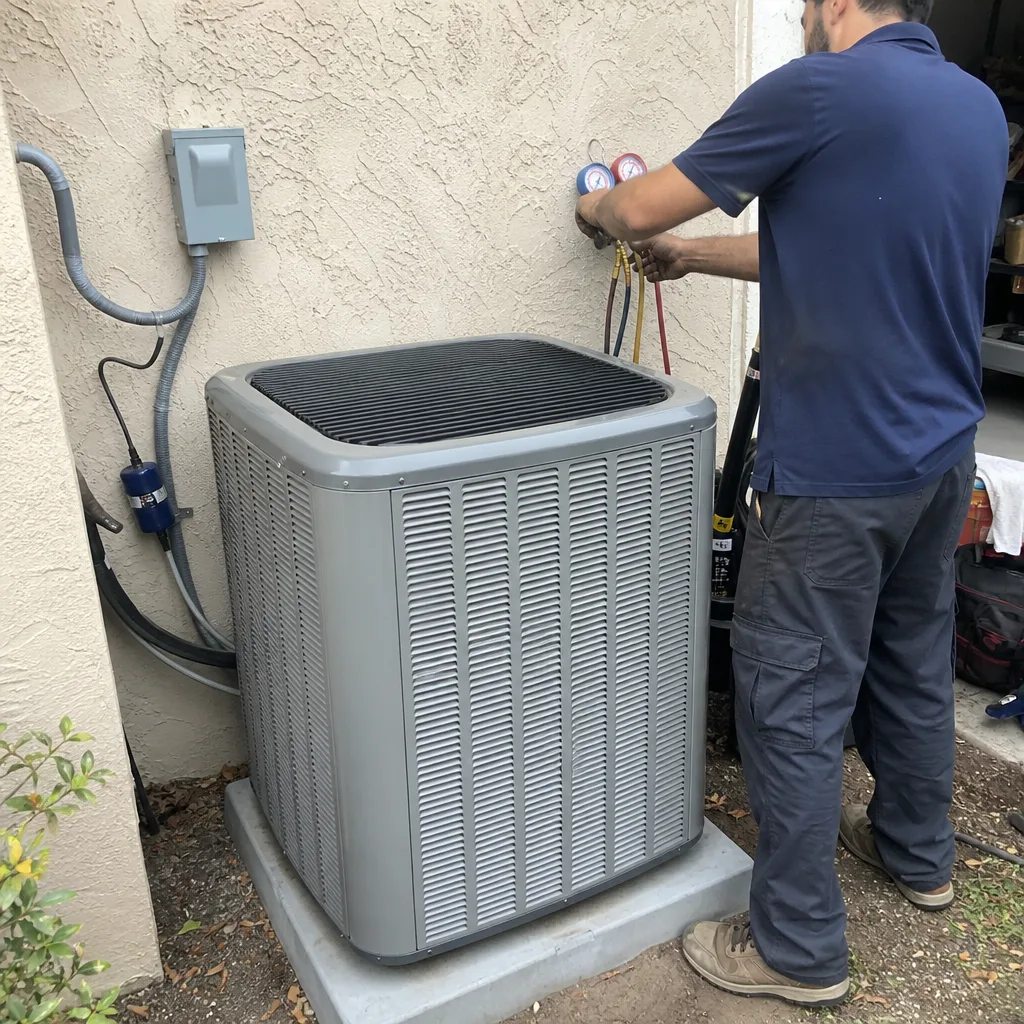 After
After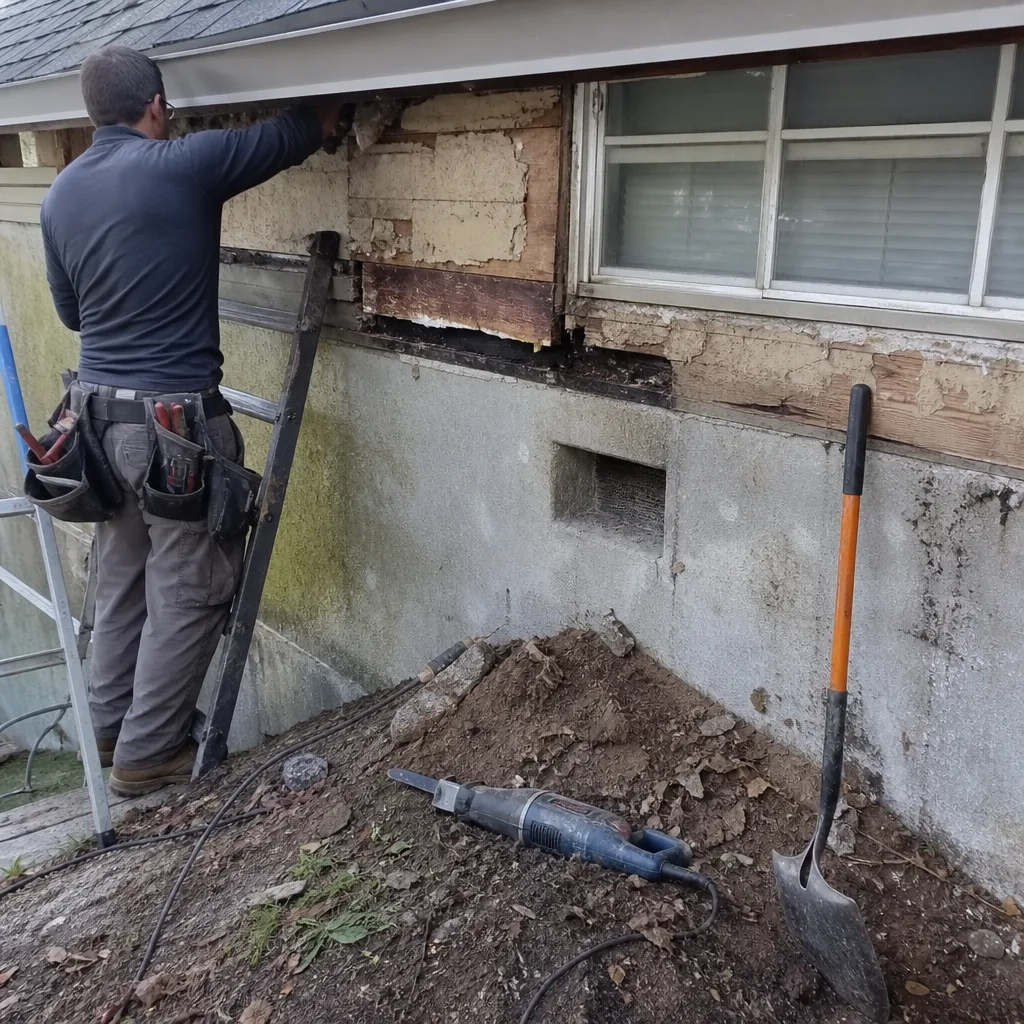 Before
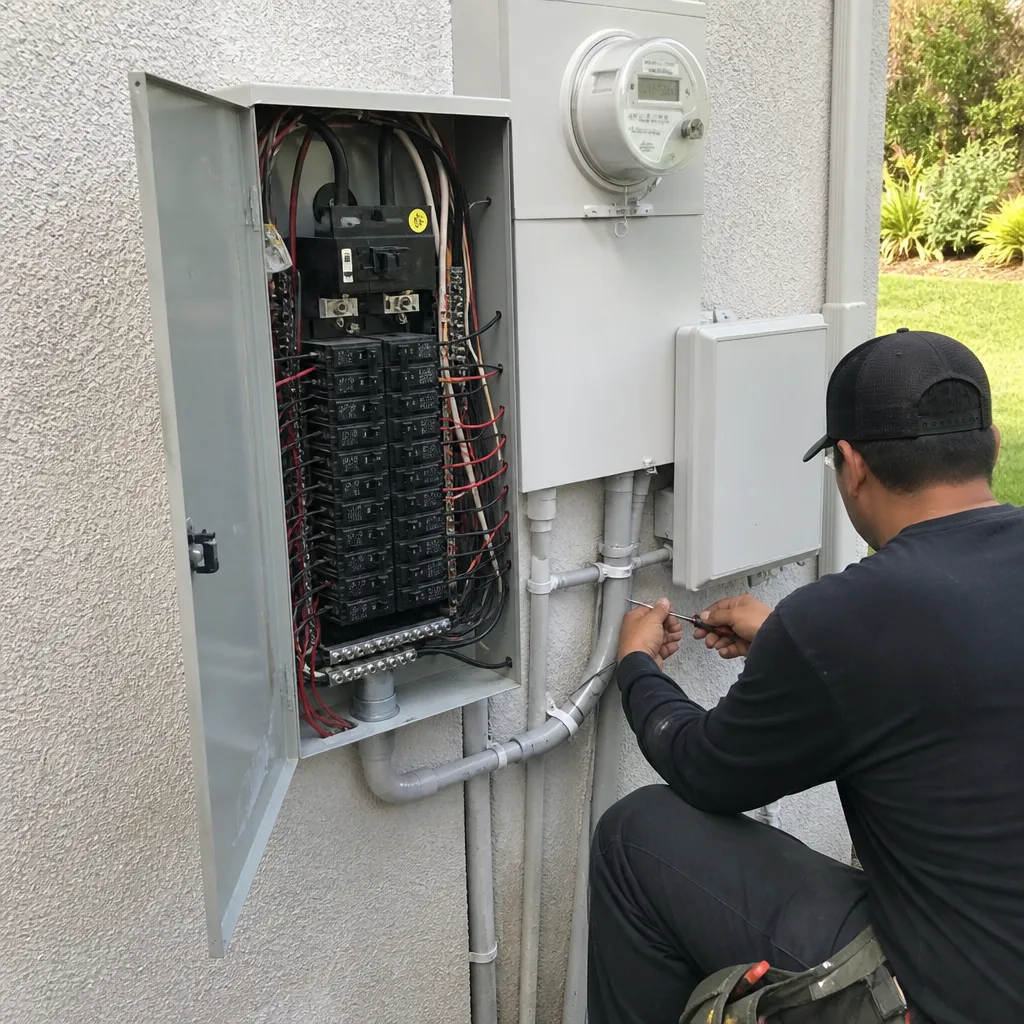 After
After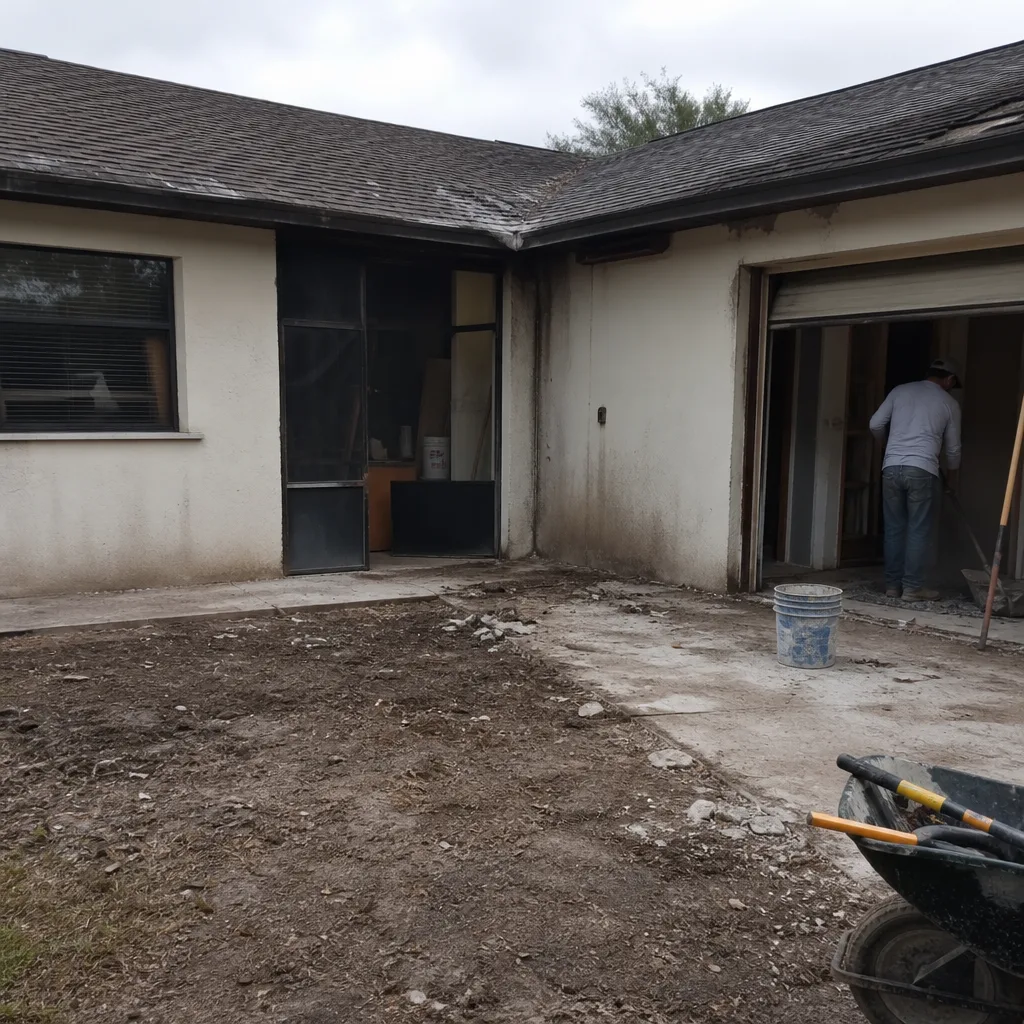 Before
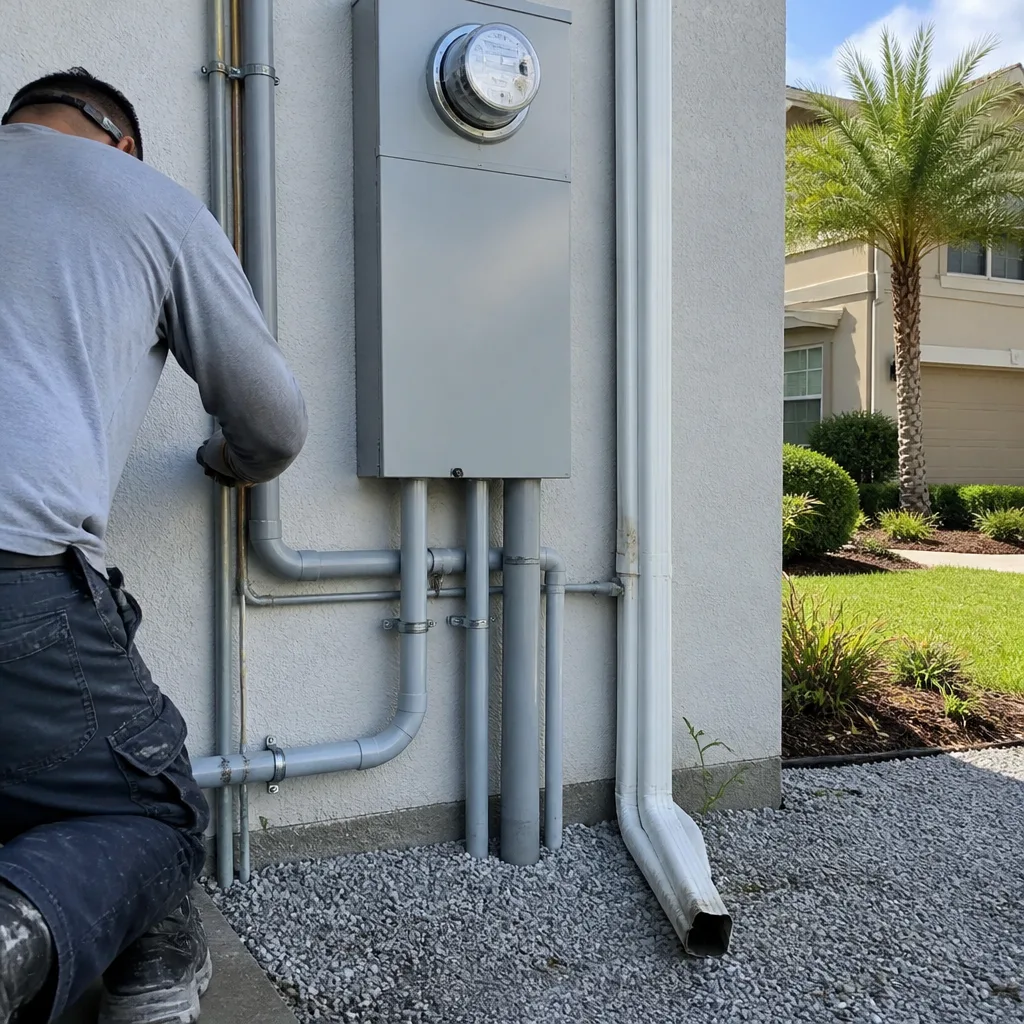 After
AfterReplacement Cost & What’s Included
For Orlando, Cambria roofing component replacements land inside these ranges: a pipe boot or vent collar swap runs $400 to $700. Ridge cap replacement along a typical 40-foot ridgeline runs $600 to $1,100. Replacing a section of failed underlayment with Cambria-compatible synthetic runs $800 to $1,800 depending on how many courses must be removed and reinstalled. If what you actually need is a full roof replacement because the Cambria material has reached the end of its service life, the installed price in Orlando is $8,000 to $20,000.
Every estimate we issue is a written line-item price before any work starts. That number includes the part, the labor, the fasteners, the sealant, and the cleanup. It does not include surprises at the invoice. If the repair is covered under our 365-Day Done Right Promise, and it fails, we return and fix it. No argument, no invoice.
| Cambria Roofing Repair | Orlando Installed Price |
|---|---|
| Pipe boot or vent collar replacement | $400 – $700 |
| Ridge cap replacement (40 ft ridge) | $600 – $1,100 |
| Section repair with synthetic underlayment | $800 – $1,800 |
| Full Cambria roof replacement | $8,000 – $20,000 |
DIY or Call Us?
What you can safely do yourself: inspect from the ground with binoculars, clear debris from valleys, and check the attic for water staining after a storm. What you should not do yourself: walk a pitched roof, especially one with Cambria architectural shingles, which hold heat and become slick with morning dew. Every year in Orlando, we see homeowners take a ladder to a roof repair and come down faster than they planned. Roof work at height is the wrong place to learn.
If the failure is confined to a single boot, cap, or a small section repair, the job usually takes one visit and two to four hours from ladder up to magnet sweep. If you are not sure what failed, call (850) 809-0306 and we will come out, find the actual problem, and put a written price in your hand before a single tool comes off the truck.
FAQs
Cambria architectural shingles in Orlando typically last 15 to 20 years with proper ventilation, while metal profiles can reach 30 years or more, but Florida’s UV load and storm cycles usually bring the real-world number to the bottom of the range unless the attic is well vented. Call (850) 809-0306 for a free inspection and an honest assessment of what is left on your roof.
Yes, targeted repairs are possible and often the right first move; if the underlayment and decking are sound and only a boot, cap, or small section has failed, we repair it and you get the 365-Day Done Right Promise on that work. Call (850) 809-0306 and we will tell you if a repair is worth doing or if replacement is the better spend.
Most single-component replacements, like a pipe boot or vent collar, take two to four hours on-site, while larger section repairs may run a full day depending on how many courses are involved. We send a live arrival time before we head over, and you get before-and-after photo updates as part of the Relay Visibility Guarantee.
We keep the most common Cambria-compatible boots, collars, ridge caps, and starter strips on the truck so most Orlando service calls are one trip; rarer profile pieces are ordered from our local Orlando supply house and arrive within two to three business days. Call (850) 809-0306 and we will confirm the part is available before you miss a full day of work.
Written by Luca Romano, Owner & Lead Contractor, Sawyer Remodel Orlando at Sawyer Remodel Orlando, serving Orlando and nearby areas. Good work doesn’t need a speech, it just needs to hold up.