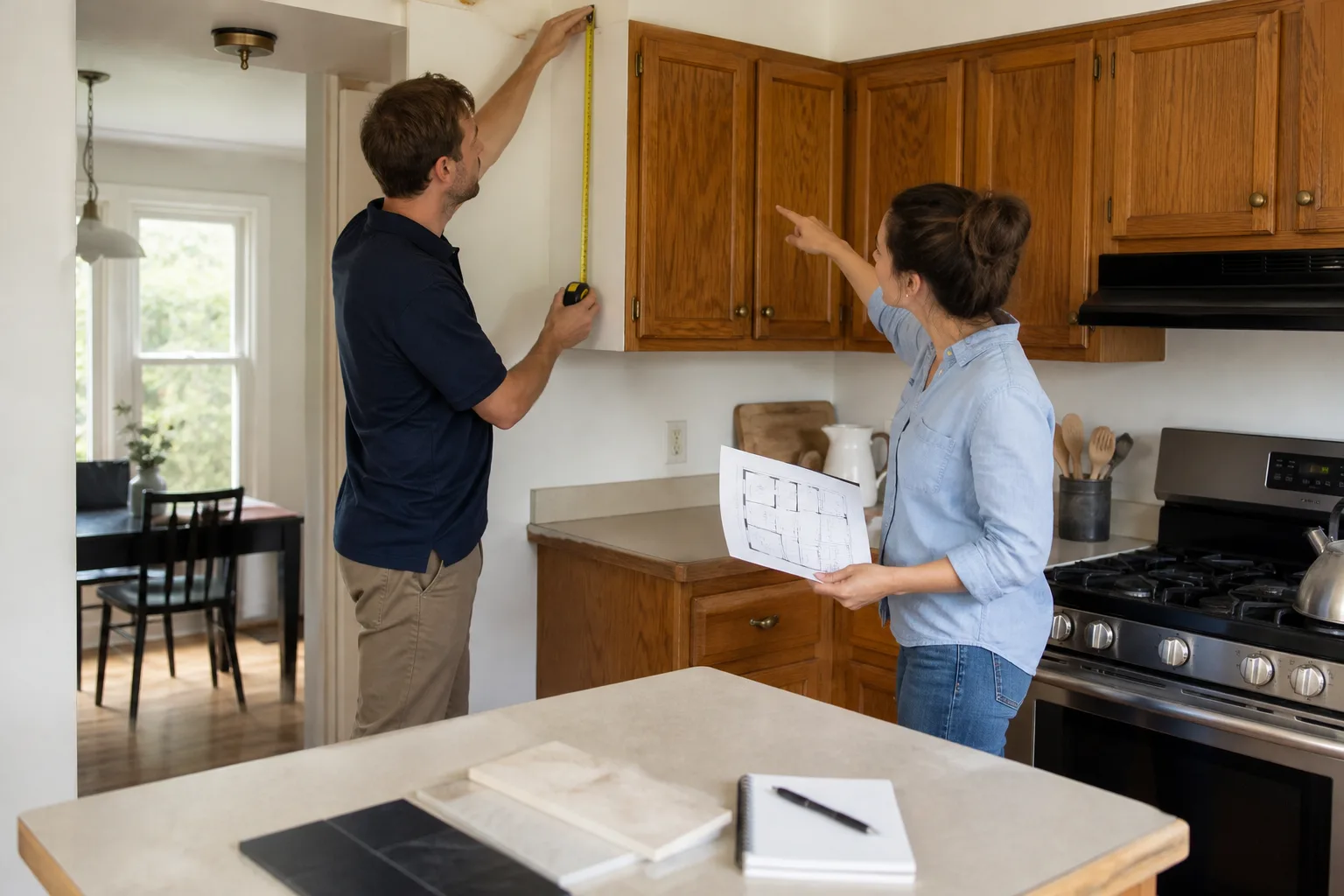







Free written scope consultation - allowances, timeline, and change-order rules on paper before a single trade is scheduled
Schluter Windows & Doors: The Orlando Owner’s Guide
If you have a Schluter window or door part that’s cracked, leaking, or no longer sealing, we stock and install Schluter-compatible trim, seals, and profiles across Orlando, with most replacement parts installed between $150 and $900 depending on the component and access. The typical story we hear: a homeowner notices water staining at a corner, or a door that suddenly binds against its Schluter edge trim after a few humid Orlando summers. Here’s what you need to know about identifying the failed part, what it costs to replace, and whether it’s a quick swap or something bigger.
Which Schluter Models This Applies To

Schluter’s window and door profiles fall under their DILEX and RONDEC lines for edge protection and transitions, and their KERDI waterproofing system for the water management behind the trim. The part that usually fails first is the DILEX-AS or DILEX-BWB joint profile, the flexible PVC strip that connects window and door frames to tile, drywall, or stucco. It handles movement, and in Orlando’s heat-wet-dry cycles, that movement is constant.
To identify your part, look for the Schluter logo stamped on the visible edge or on the back of a removed section. Measure the profile width in millimeters, the most common being 9mm, 11mm, and 12.5mm for DILEX, and 6mm to 12.5mm for RONDEC. One Orlando-specific gotcha: if your home was built or renovated between 2005 and 2015, there’s a good chance the installer used a KERDI-Flex strip around the window opening, which has since been superseded by KERDI-FLEX with a different adhesive backing. The old adhesive releases in sustained humidity, and the strip peels away. We match the replacement to the current-generation profile, not the discontinued one.
On OEM versus aftermarket: Schluter’s in-house profiles use a specific PVC blend that resists UV yellowing better than generic trim. Aftermarket equivalents are cheaper, but in our experience in Orlando, they fade visibly within two years on south-facing windows. We recommend OEM for any exposed exterior trim; aftermarket is fine for interior transitions where the sun never hits. Sawyer Remodel Orlando is an independent service provider and not affiliated with Schluter, but we install their parts daily and keep the common profiles on the truck.
Styles & brands we work with





Signs Your Schluter Windows & Doors Is Failing
- Water staining at the bottom corners of the window or door frame. This almost always points to a failed KERDI seal behind the visible trim. The water runs behind the joint profile, pools at the corner, and bleeds through drywall or stucco. It’s the most common call we get in neighborhoods like College Park and Thornton Park, where older window openings settle and pull at the waterproofing.
- The Schluter edge trim has pulled away from the tile or frame by more than 1/8 inch. That gap means the adhesive backing or the mechanical anchor has failed. In Orlando’s humidity, the culprit is usually heat cycling: the PVC expands in midday sun and contracts at night, working the adhesive loose over a few summers.
- A door that suddenly binds or scrapes against the metal or PVC profile. This is often less about the Schluter part and more about the subfloor or hinge shifting underneath it. The profile is just the first thing that catches the movement. We check the door reveal before touching any trim.
- Visible cracks or splits in the DILEX or RONDEC profile itself. UV exposure degrades even Schluter’s UV-stabilized PVC eventually, especially on west-facing walls in Orlando. Once it cracks, water gets behind it, and the failure accelerates.
- Mold or mildew at the joint where the Schluter trim meets the sill. This tells us the drainage path is blocked or the profile has lost its seal. The visible mold is usually a symptom, not the cause; the cause is water sitting where Schluter engineered it to drain away.
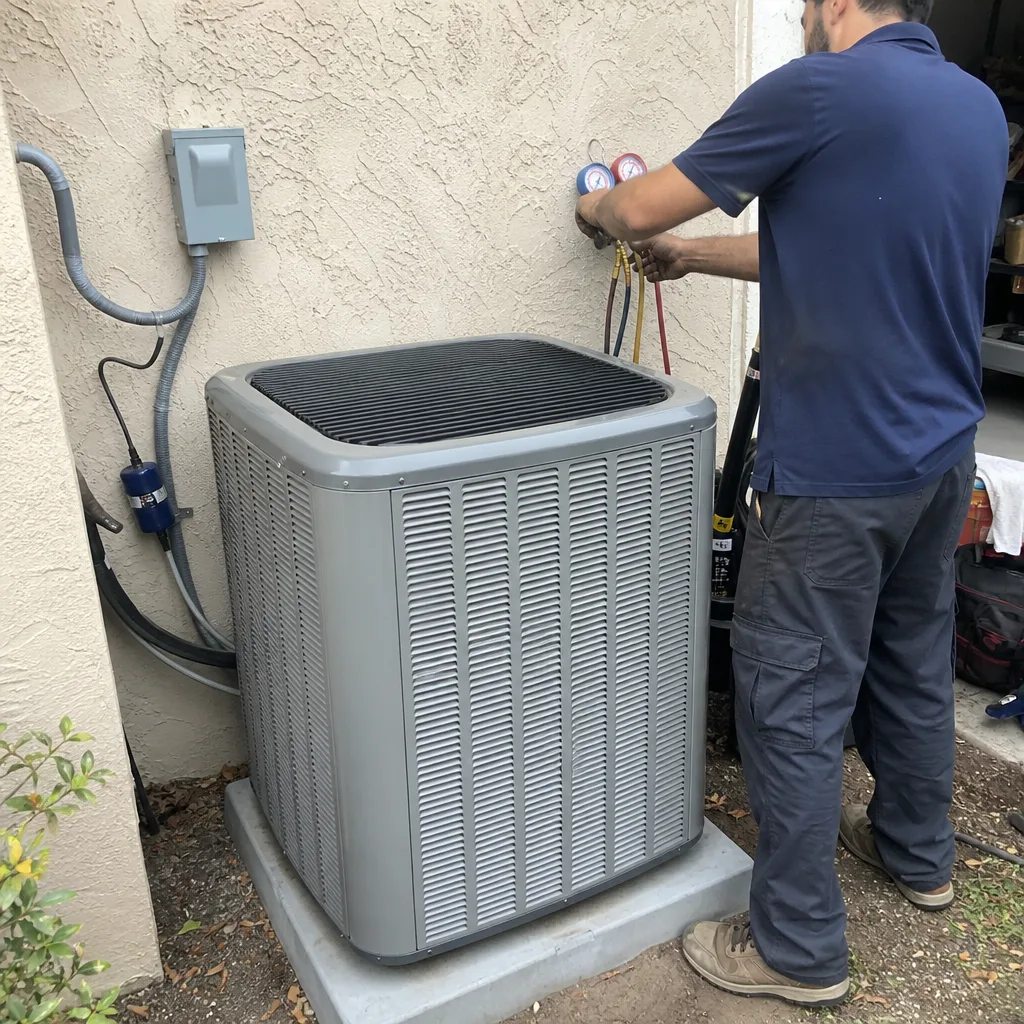
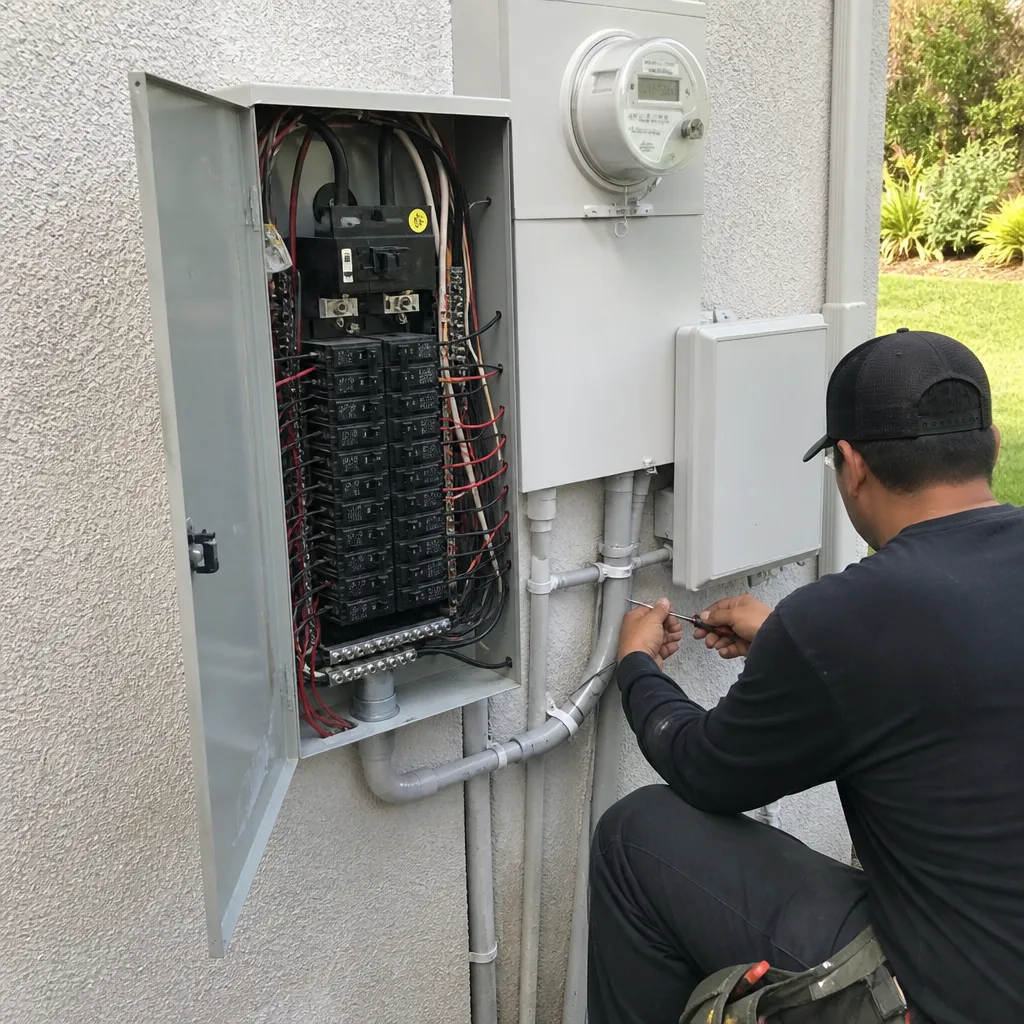
See the difference
 Before
 After
After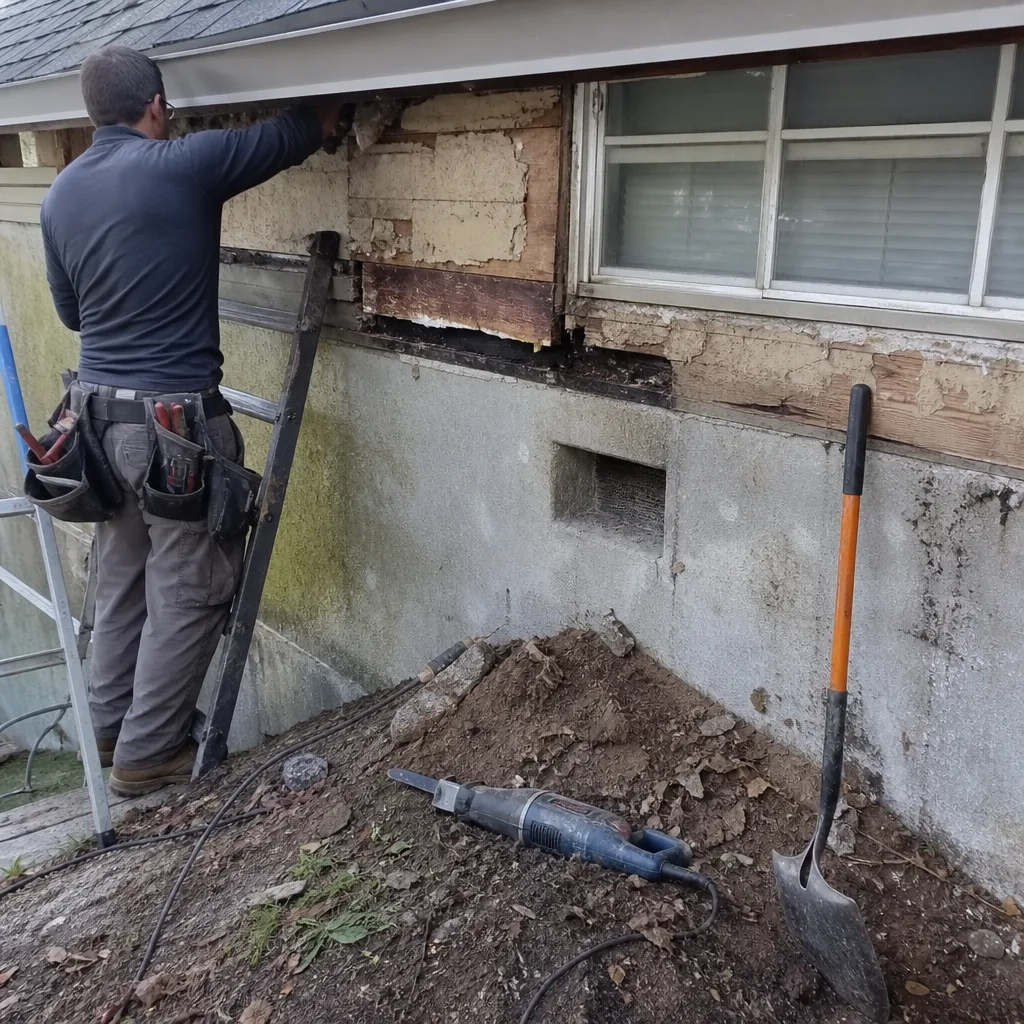 Before
 After
After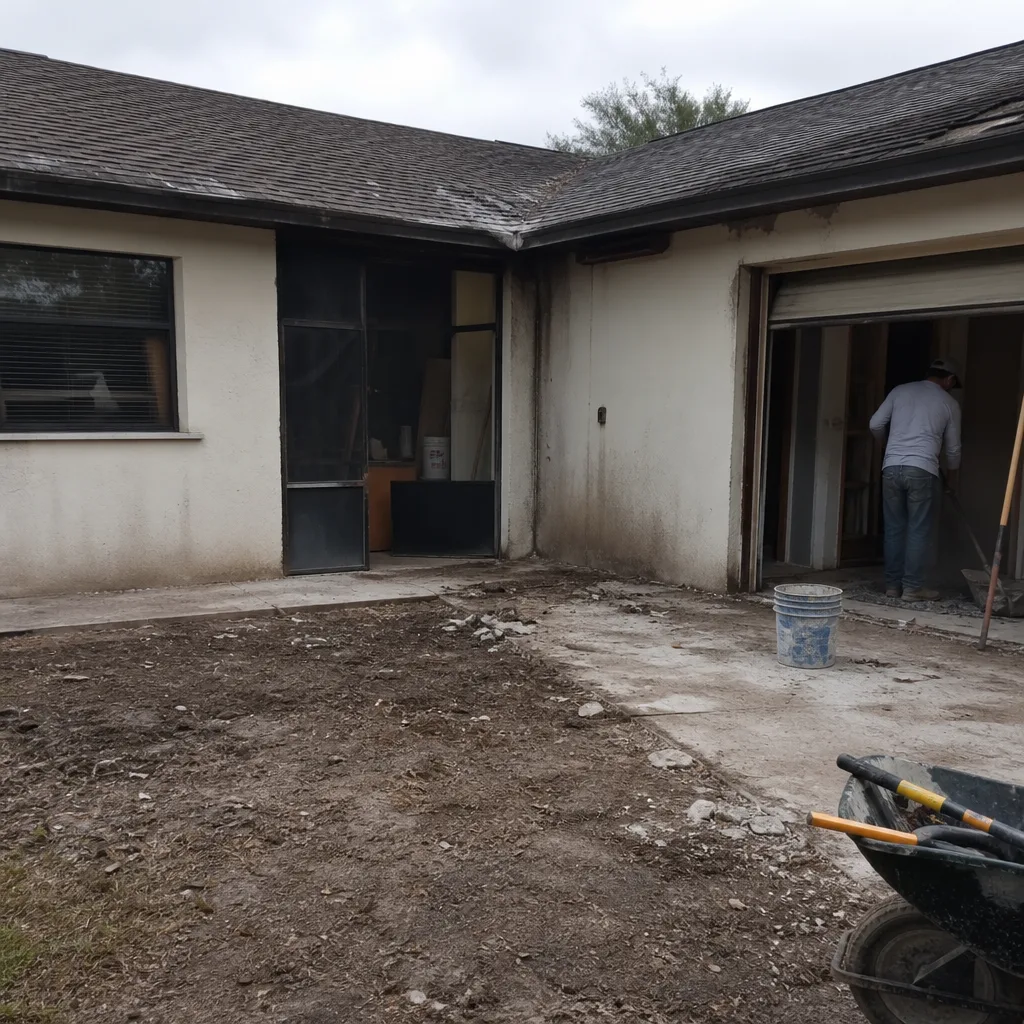 Before
 After
AfterReplacement Cost & What’s Included

In Orlando, Schluter window and door trim replacement runs $150 to $400 per linear section for a straightforward DILEX or RONDEC swap, including the part and labor. If the failure involves the KERDI waterproofing behind the trim, the job is bigger: $600 to $900 per window or door opening, because we have to remove the surround, re-flash the opening, install new KERDI, and re-tile or re-trim. That range covers access, material, clean-up, and disposal.
What drives the price: whether the tile around the opening is still produced and available to match, how much demolition is required to reach the failed waterproofing, and whether the window or door frame itself has rotted from the water intrusion. We write the line-item price before any work starts, so you see the part cost, the labor, and the material separately. If the repair fails within the first year, the 365-Day Done Right Promise covers the revisit and the correction. You’ll also get photo updates before and after the job, through The Relay Standard.
DIY or Call Us?
You can safely check a few things yourself: take a photo of the failed part with a ruler next to it for width, look for the Schluter logo and any stamped number, and feel whether the trim is loose from the wall or just cracked. Those details help us match the right part over the phone.
Where DIY goes wrong: prying off a Schluter profile without cutting the KERDI behind it correctly will tear the waterproofing and triple the repair scope. And if the failure involves any window or door with a gas-filled insulated glass unit, the risk isn’t the trim, it’s the glass. In Orlando, we regularly see homeowners turn a $200 trim swap into a $1,200 waterproofing repair by pulling the wrong thing. If you’re unsure, call us at (850) 809-0306 and describe what you see. We’ll tell you honestly whether it’s a truck-stock part and a quick fix, or a deeper job.
FAQs

Schluter’s exterior-rated DILEX and RONDEC profiles typically last 10 to 15 years in Central Florida before UV degradation or adhesive failure becomes visible, though south-facing and west-facing exposures can fail in as little as 6 to 8 years. The failure point is almost never the PVC itself, it’s the adhesive or the seal behind it. If your profile is cracked or pulling away, call (850) 809-0306 for an exact assessment; we’ll tell you over the phone whether it’s worth replacing now or can wait.
Small gaps can sometimes be re-adhered with Schluter’s own sealant, but a cracked or UV-degraded profile cannot be reliably repaired. Once the PVC splits, water gets behind it and the waterproofing degrades from the inside out. In Orlando’s humidity, patch jobs on cracked trim fail within a season. A replacement profile is usually under $100 in material, and the labor is what you’re really paying for. Call (850) 809-0306 and we’ll give you a straight answer on whether yours is a patch candidate or a replacement.
A simple DILEX or RONDEC profile swap takes 1 to 2 hours per opening, including removing the old part, prepping the surface, and installing the new profile. If the KERDI waterproofing behind the trim has failed, plan on 4 to 6 hours per opening, plus drying time for any setting material. We give you a written time estimate before work starts and photo updates while the job is underway.
We keep the common DILEX and RONDEC profiles in 9mm, 11mm, and 12.5mm widths on our trucks, along with KERDI-Flex and KERDI-Band for waterproofing repairs. Less common finishes or oversized profiles usually arrive from Schluter’s US distribution within 3 to 5 business days. Tell us the width and finish on the phone at (850) 809-0306, and we’ll confirm whether we have it on hand or need to order it.
Written by Luca Romano, Owner & Lead Contractor, Sawyer Remodel Orlando at Sawyer Remodel Orlando, serving Orlando and nearby areas.