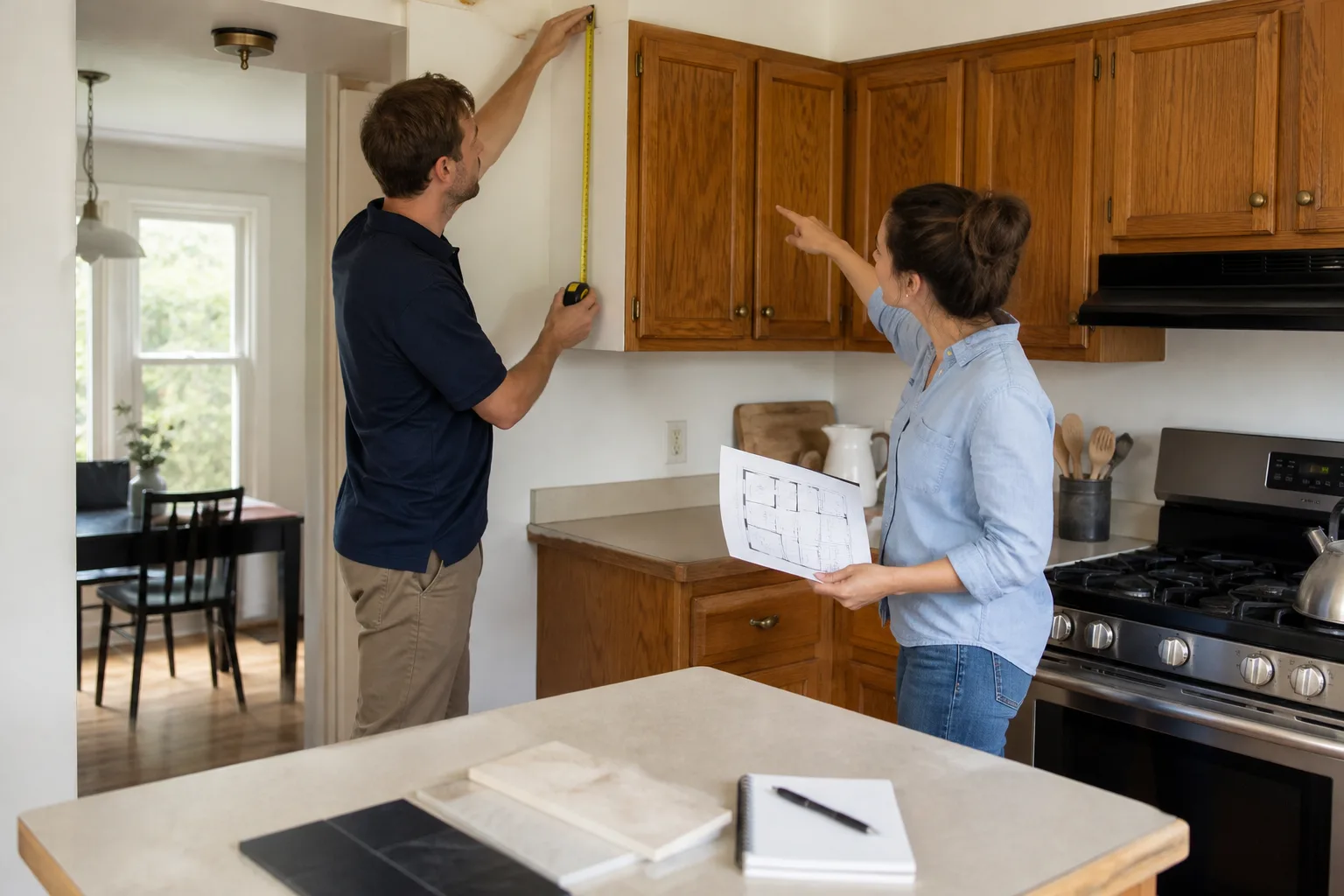
Free written scope consultation - allowances, timeline, and change-order rules on paper before a single trade is scheduled
Atlas Home Additions & ADU: The Orlando Owner’s Guide
Adding square footage to an Orlando home with an Atlas build typically costs $45,000 – $130,000 installed, with ADU construction running $90,000 – $220,000 depending on size, permitting, and site prep. We stock and install Atlas-compatible components for home additions and ADUs across Orlando, and we can usually have your project scoped and priced within a week of the first call. Most owners reach out when a structural element stops performing, a tie-in starts pulling away, or a previous addition simply wasn’t built to handle Central Florida’s humidity and shifting soil.
Here’s the thing about additions and ADUs: the failure usually isn’t in the framing you can see. It’s in the connections, the flashing, the slab tie-in, the way the roof line marries the existing structure. Orlando’s wet summers and clay-heavy soil in neighborhoods like College Park and Baldwin Park put real stress on those joints. When one starts to separate or sag, the whole addition becomes a liability instead of an asset.
Which Atlas Models This Applies To
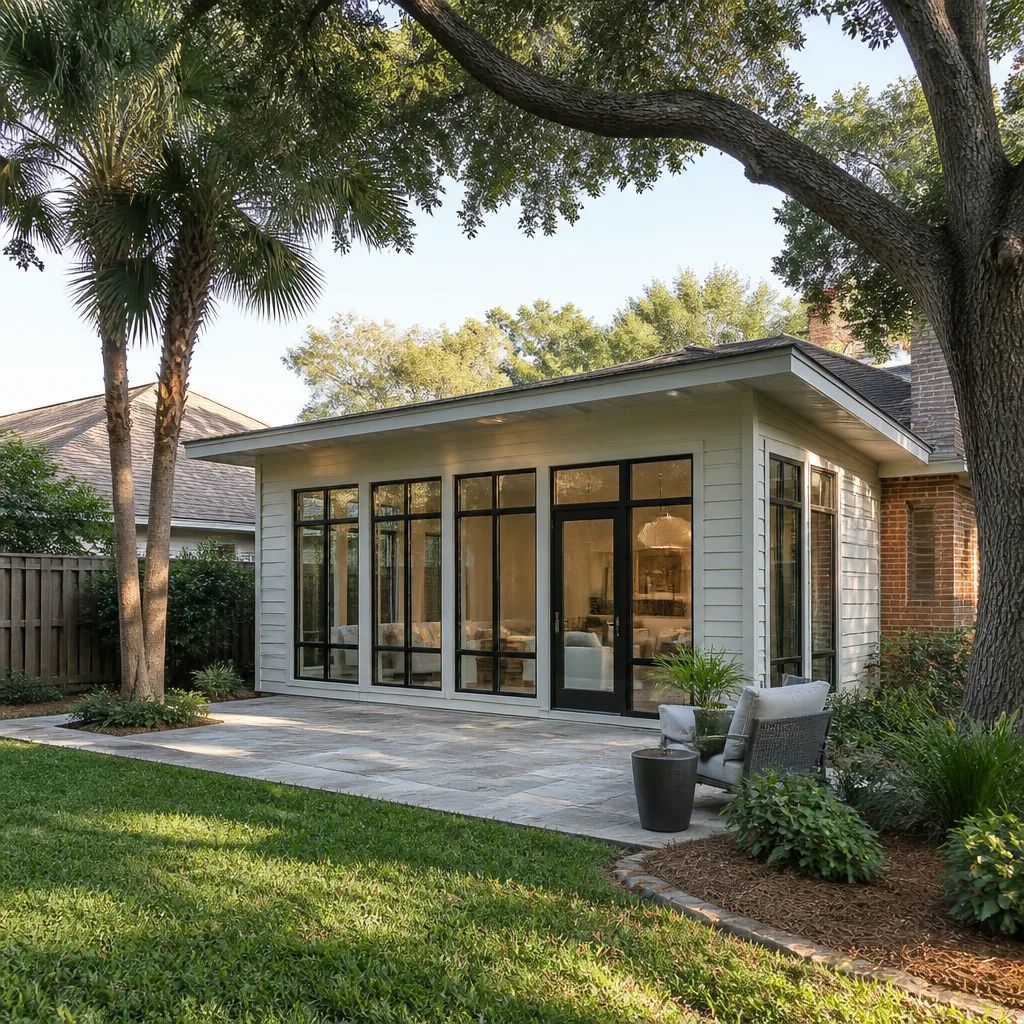
Atlas home additions and ADUs come in several configurations, and the compatibility question always starts with how the original structure was tied in. The key identifier is the connection plate and anchor pattern. Older Atlas additions used a standard 16-inch anchor spacing; newer builds have moved to 12-inch spacing with heavier-gauge ties. You can check yours by looking at the sill plate in the crawl space or at the slab edge where the addition meets the main structure.
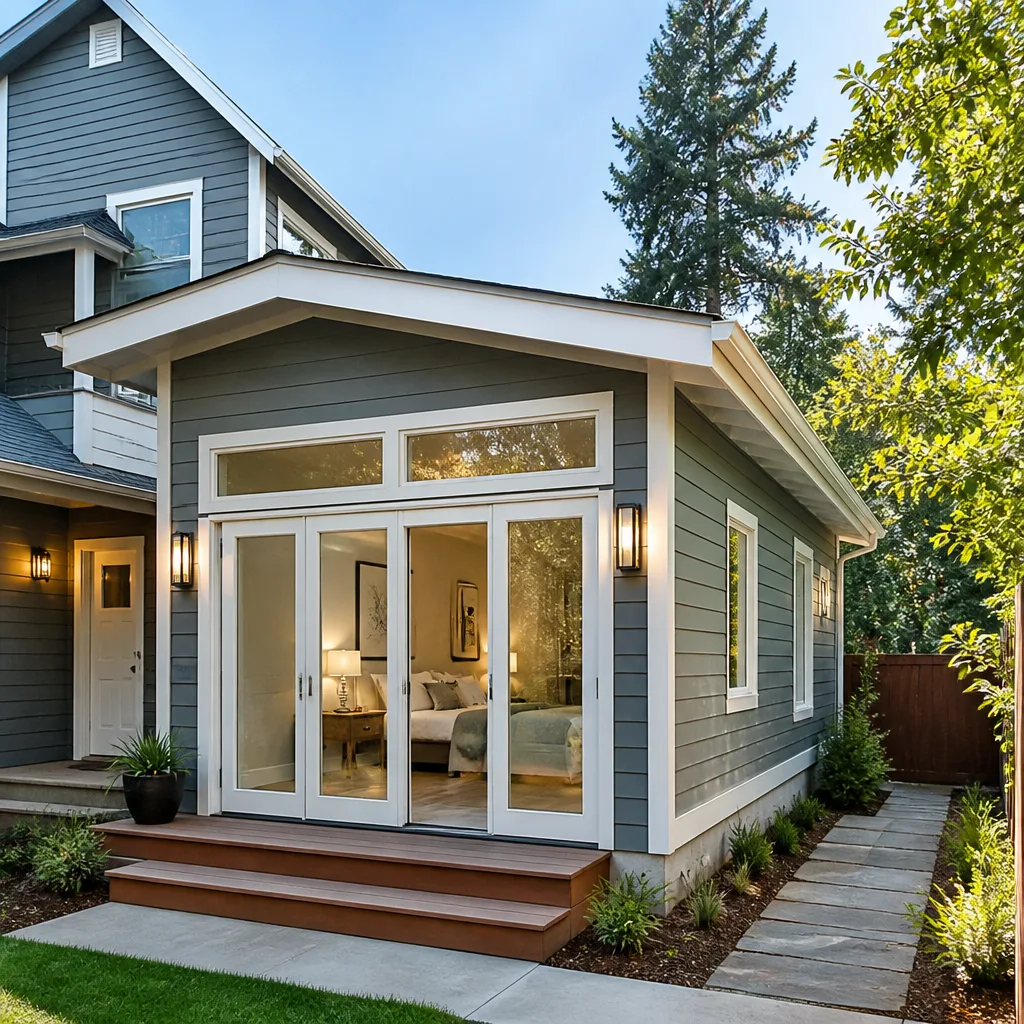
For ADUs specifically, Atlas units fall into two camps: slab-on-grade and raised foundation. The raised foundation models use a different rim joist spec, and that’s the part that fails first in Orlando’s wet season when drainage isn’t right. If you’re matching components, the slab-on-grade Atlas ADU takes a 2×6 pressure-treated sill with galvanized wedge anchors. The raised model uses a double 2×8 rim with hold-down brackets. Mixing these specs is the most common compatibility mistake we see from handyman-grade installs. We also keep KraftMaid, Cambria, and Silestone components on hand for interior finish work on these builds, since the interior finish stage almost always follows the structural repair.
One honest note: Sawyer Remodel Orlando is an independent contractor. We’re not affiliated with Atlas. We work on their additions and ADUs because we know the framing conventions and tie-in details, not because we’re part of their company.
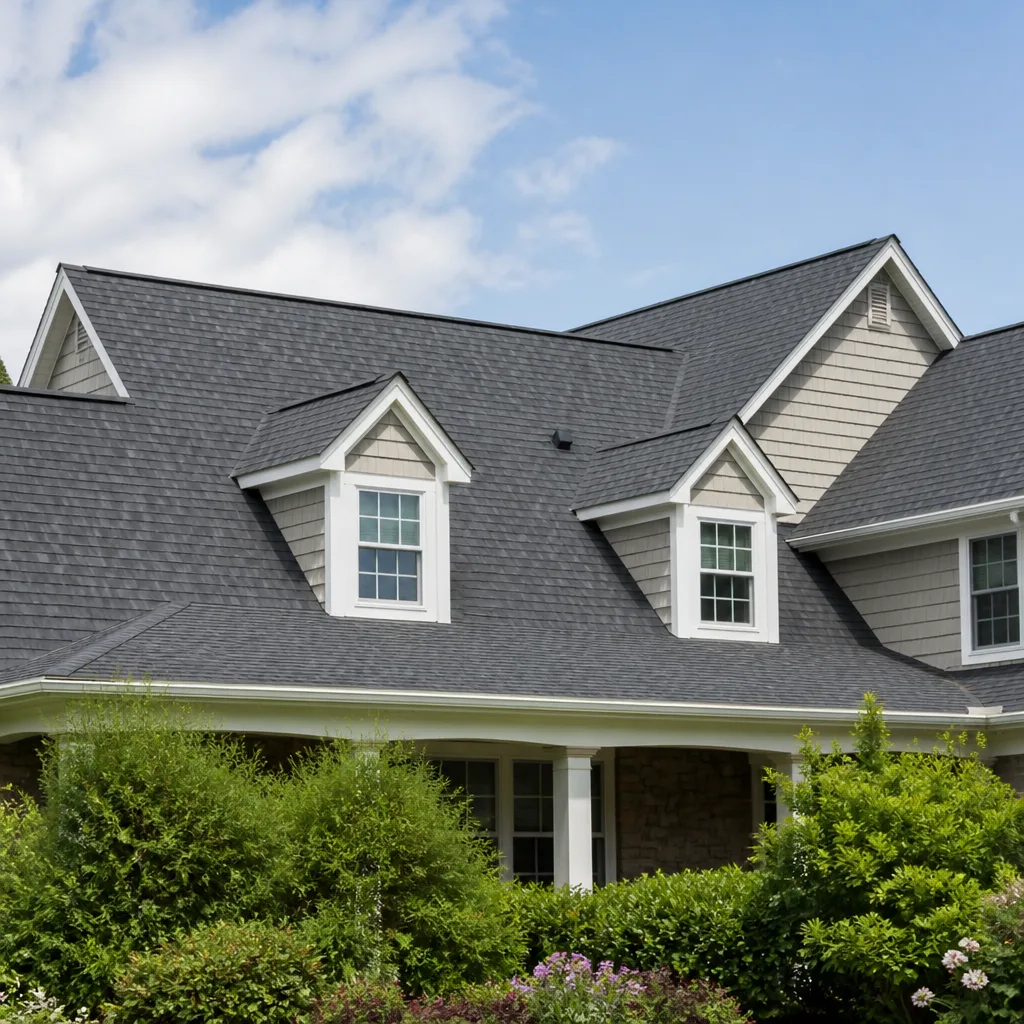
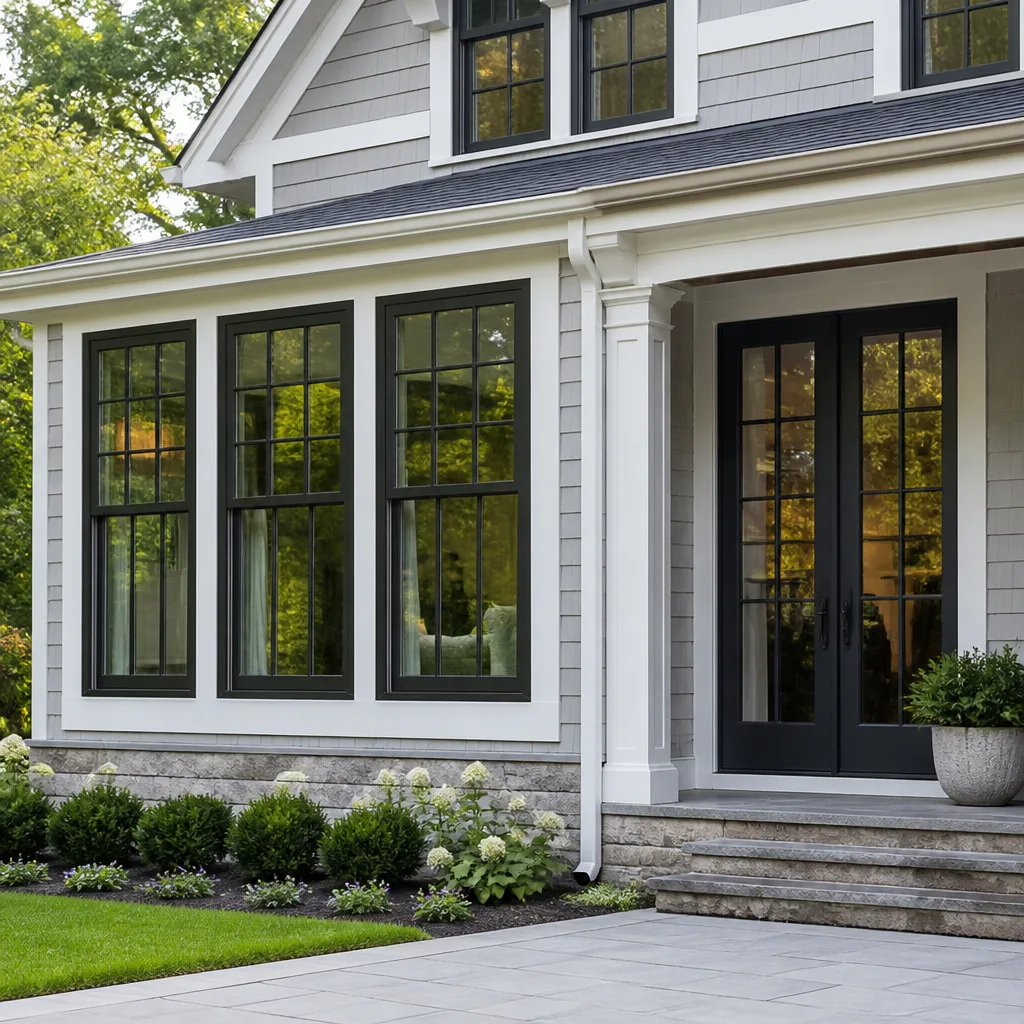
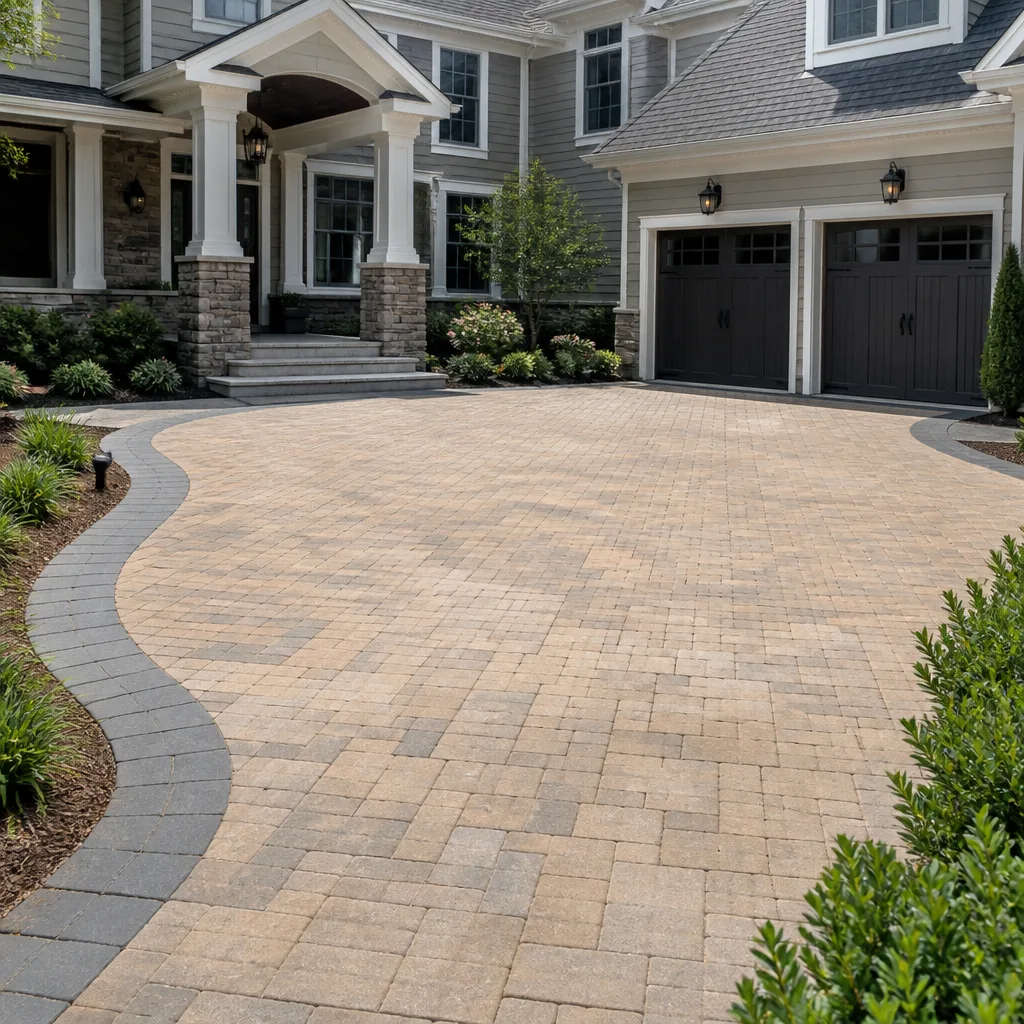
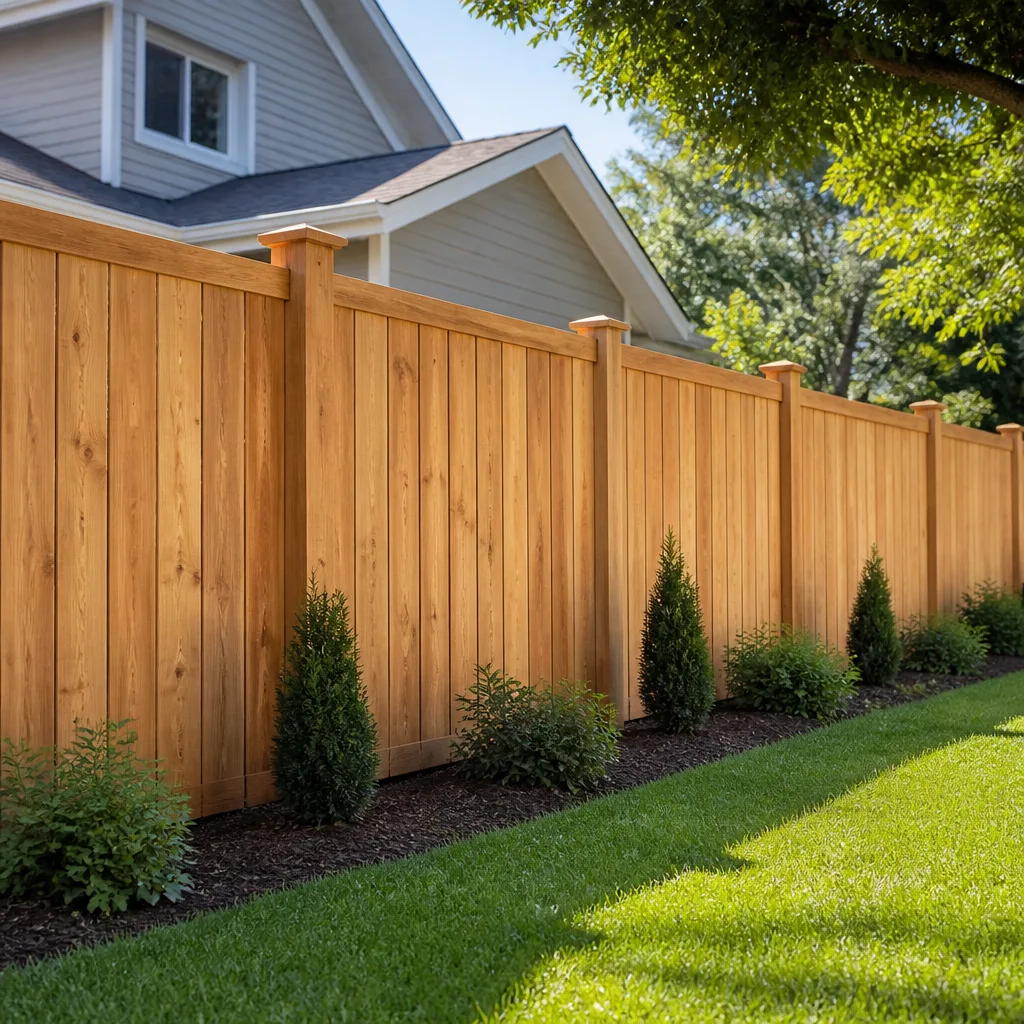
Styles & brands we work with
Signs Your Atlas Home Addition or ADU Is Failing
- Separation at the tie-in wall. You’ll see a hairline crack running vertically where the addition meets the original house, or a gap opening above the baseboard. This means the addition is settling at a different rate than the main structure, usually due to poor soil compaction or a failing anchor pattern. In Orlando’s clay, this gets worse after every rainy season.
- Sticking doors or windows inside the addition. When the framing shifts even a quarter inch, doors and windows bind. This is not a hardware problem, it’s a racking frame. The longer it goes, the harder it is to pull back square.
- Musty smell or elevated humidity in the addition’s corners. A failed or missing sill gasket lets ground moisture wick up through the plate. In Florida, that moisture never dries out. You’ll often see the drywall bubbling at the base corners before the smell becomes obvious.
- Sagging or dipping roofline where the addition ties in. If the valley where the addition roof meets the main roof starts to look soft or collects water, the underlayment or the structural sheathing at the transition has been compromised. Water follows the dip, and the dip follows failed framing.
- Cracking in the stucco or siding in a stair-step pattern. Diagonal cracks running along the fastener lines indicate shear movement. The addition is twisting against the main structure, and the fasteners are the only thing holding it. Sheathing nails popping through the finish is the same signal in a different form.
See the difference
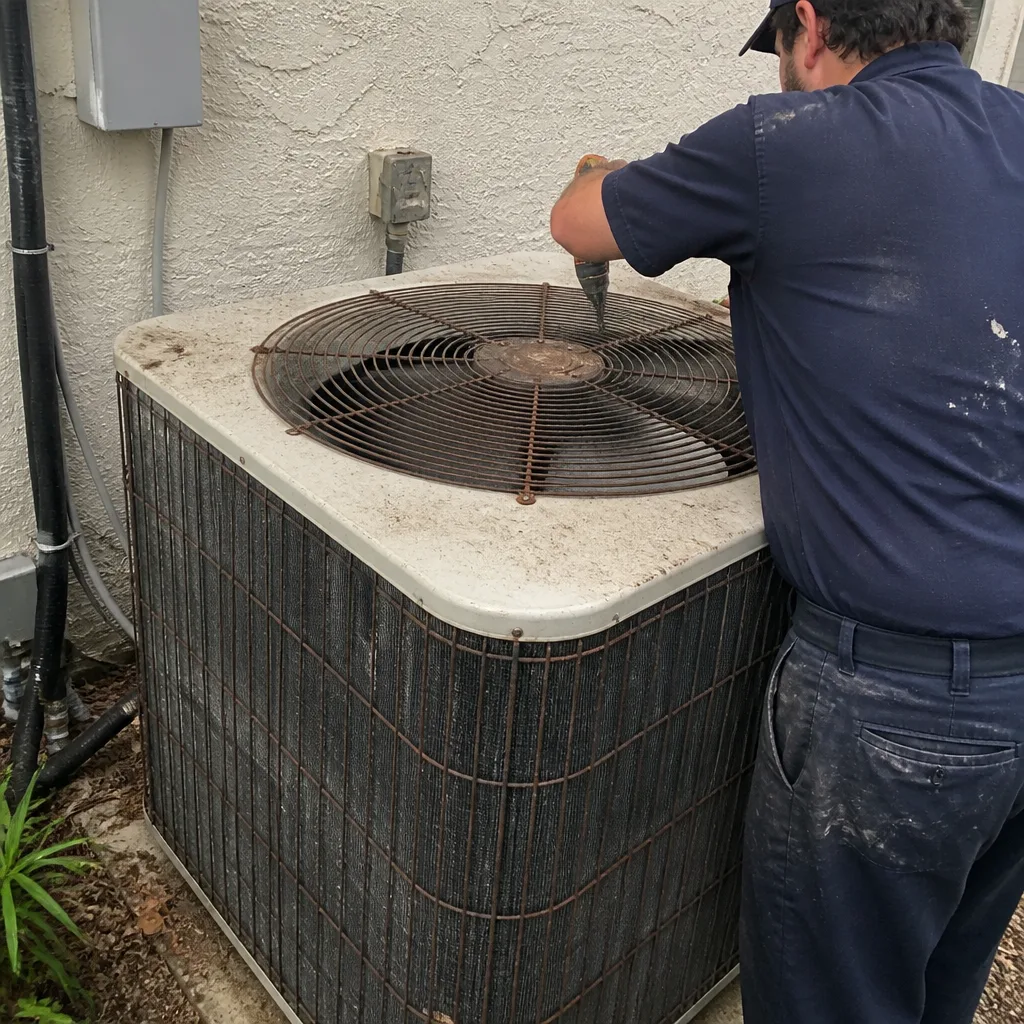 Before
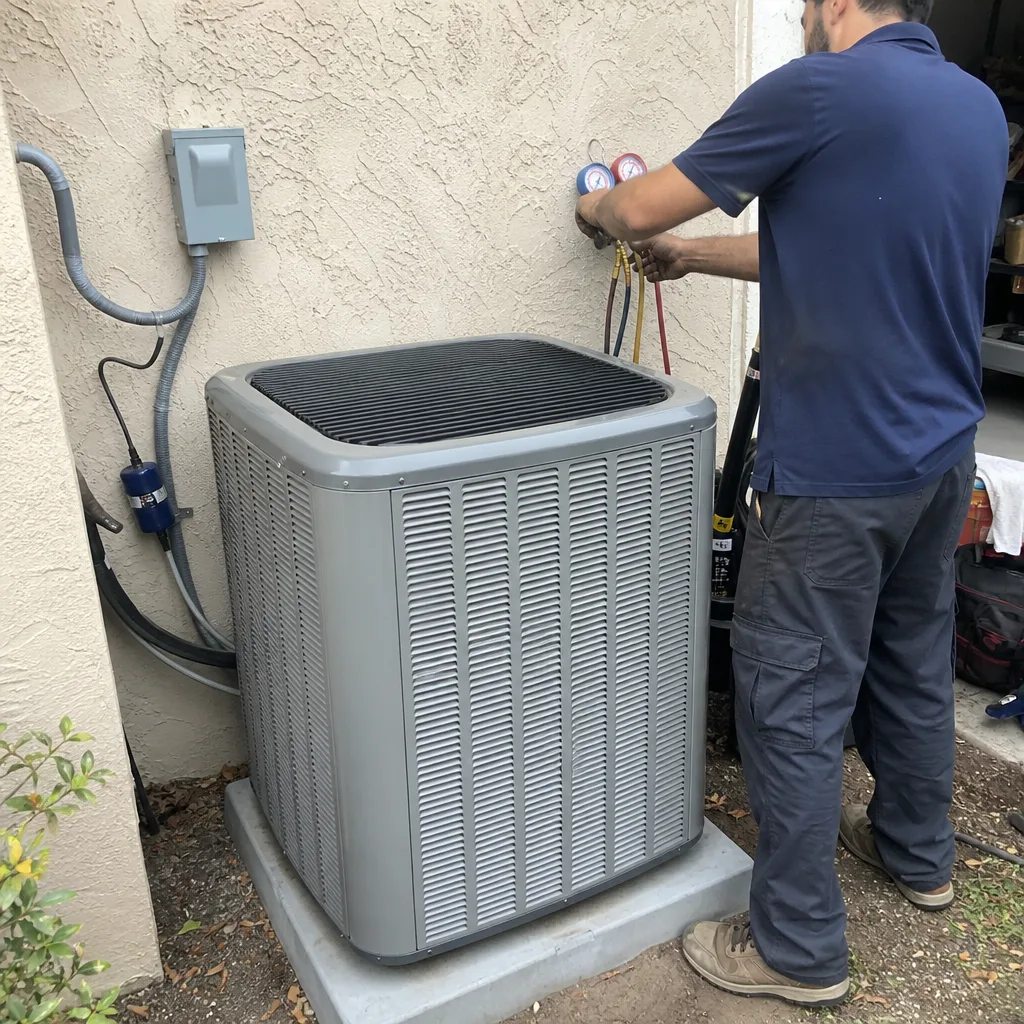 After
After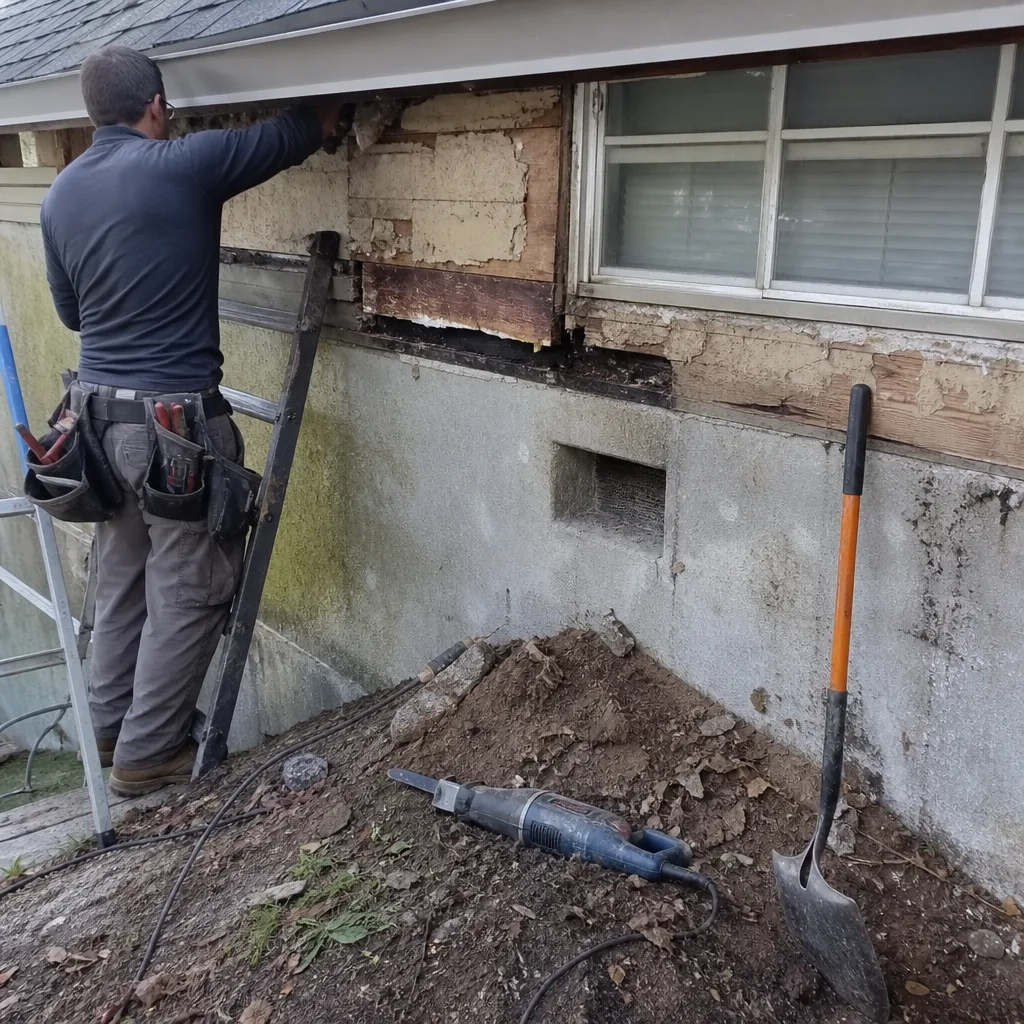 Before
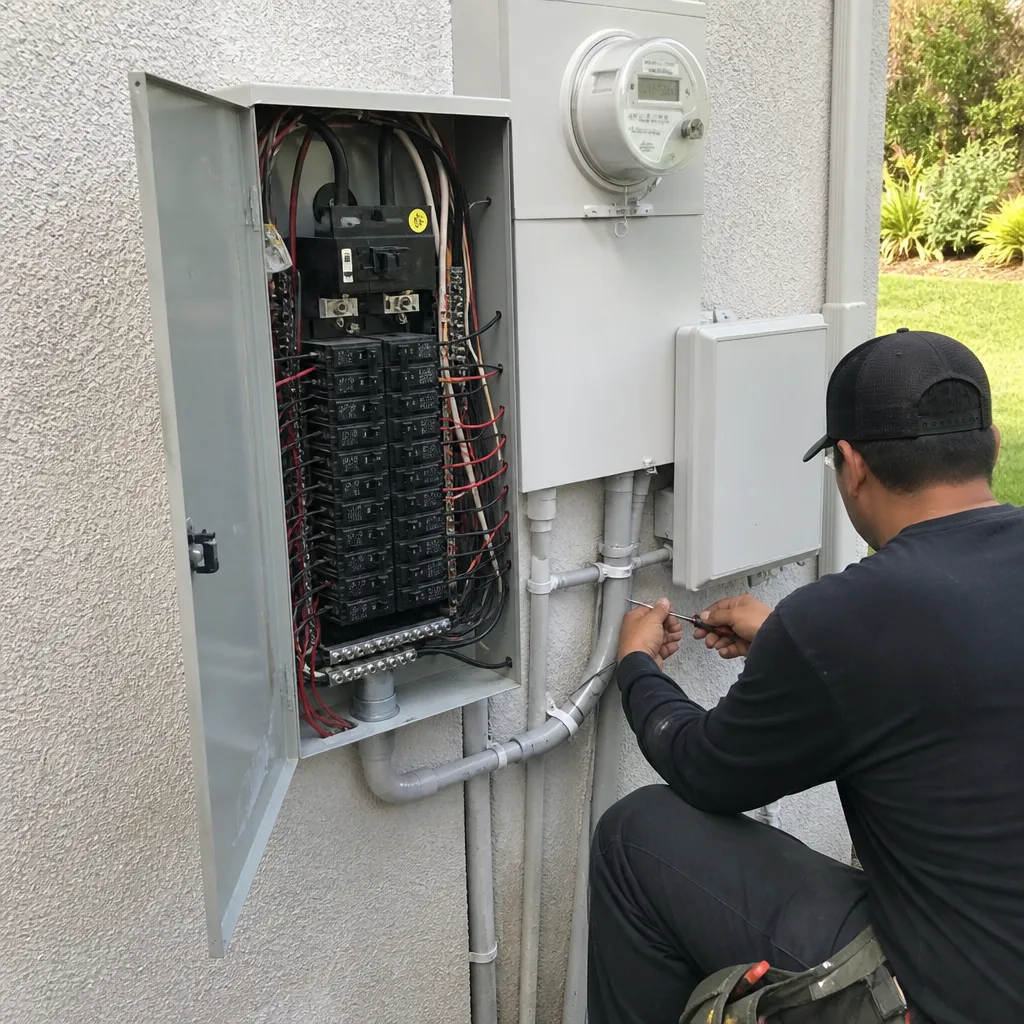 After
After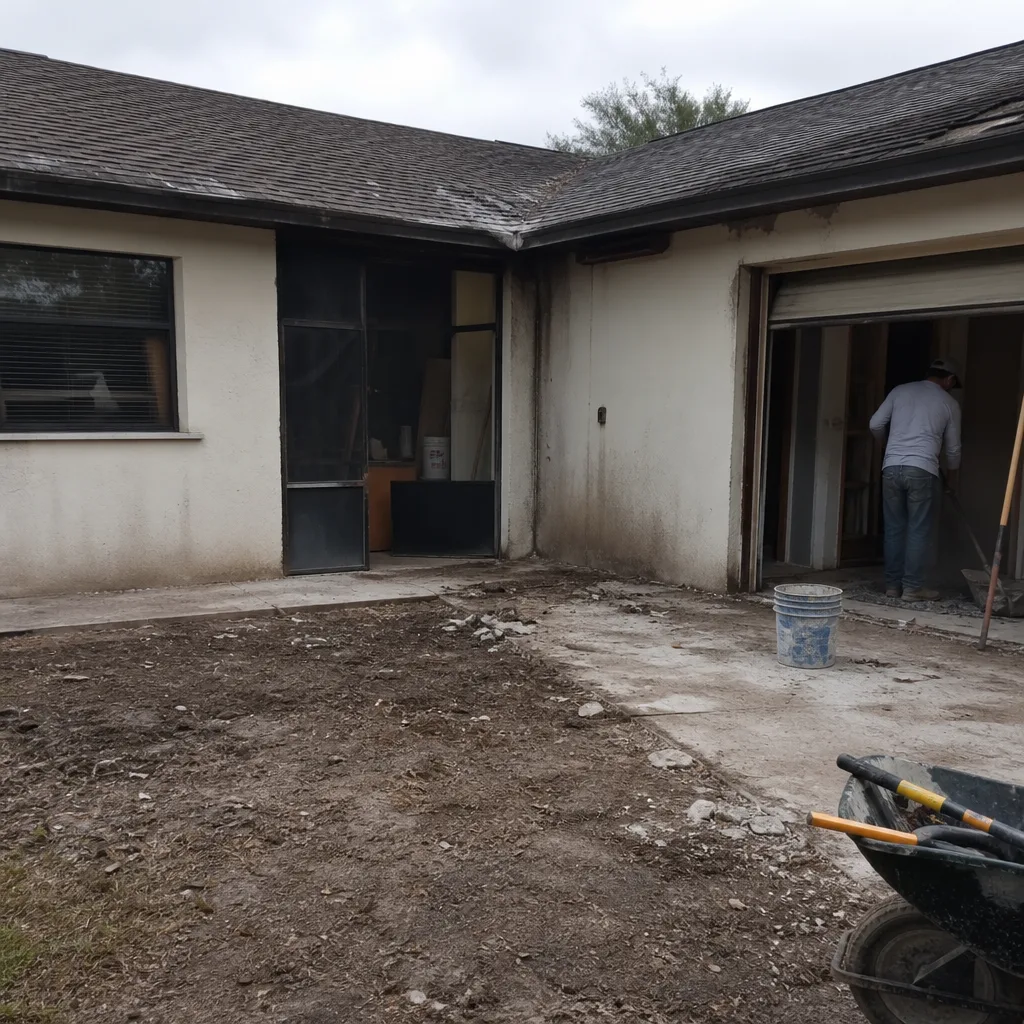 Before
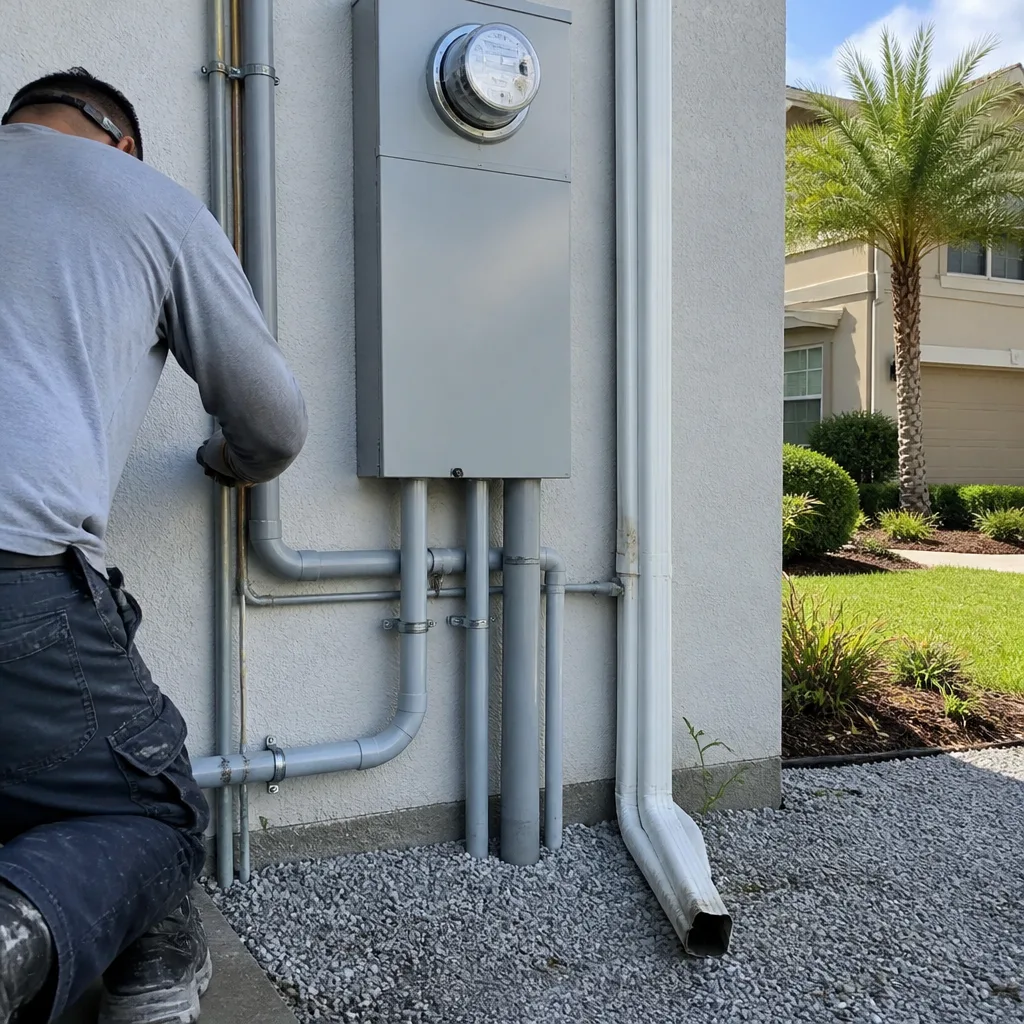 After
AfterReplacement Cost & What’s Included
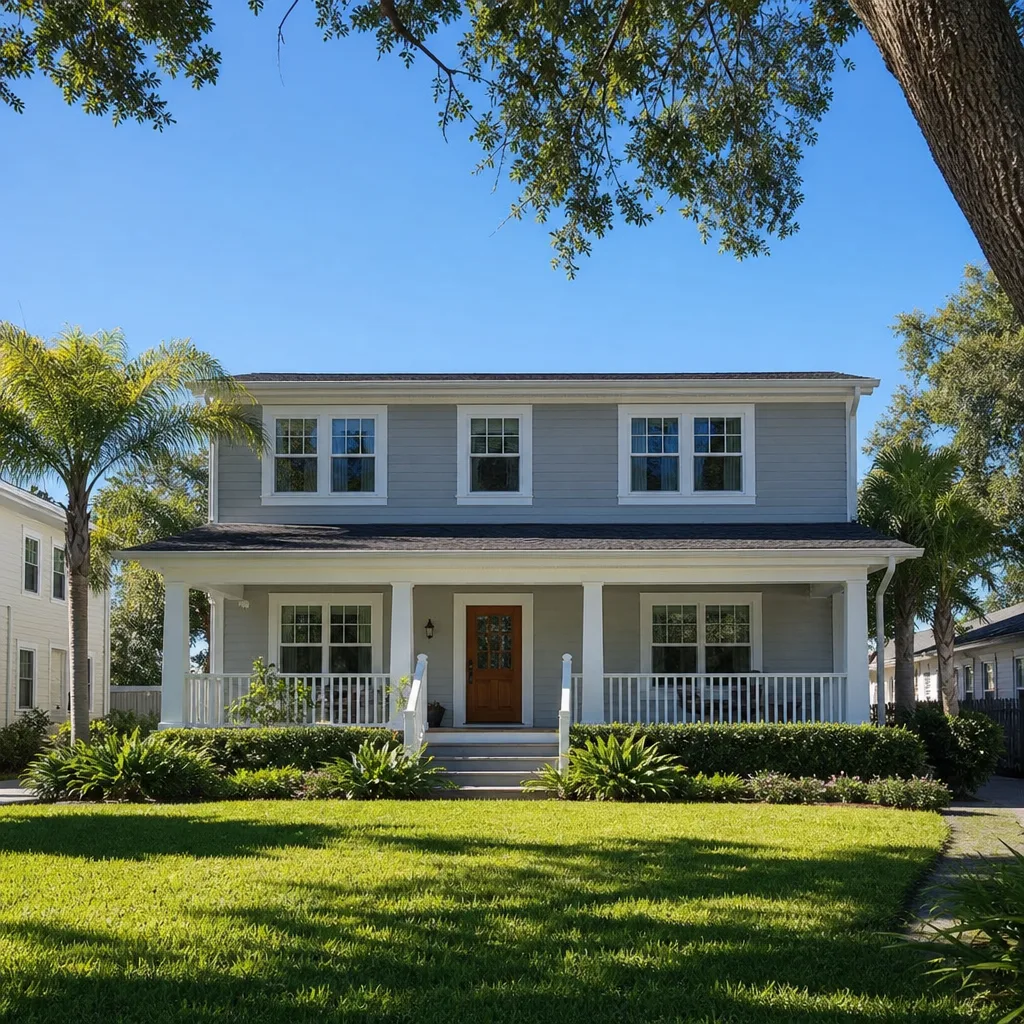
For an Orlando Atlas home addition or ADU rebuild, you’re looking at $45,000 – $130,000 for a full addition and $90,000 – $220,000 for an ADU, depending on square footage, foundation condition, and finish level. A partial structural repair, like re-tieing an existing addition or replacing a rotted rim joist and sill plate, typically lands between $8,000 and $30,000. What drives the range: whether the slab or footers need re-pouring, how much of the roofing has to come off to access the tie-in, and whether the existing framing can be salvaged or needs to be pulled out in sections and rebuilt.
Every quote we write in Orlando includes parts and labor separately, so you see exactly what the materials cost and what the crew time costs. We hold that written price. If an inspector flags something we didn’t catch in the walkthrough, we cover the difference, not you. The work carries our 365-Day Done Right Promise: if it’s not done right, we make it right, backed in writing.
DIY or Call Us?
Here’s my honest split: you can safely inspect the visible connections, take photos, measure the gap between the addition and the main house, and check for moisture with a $20 meter from any hardware store. What you shouldn’t do is attempt to jack, shim, or re-anchor a failing tie-in yourself. The load on a settling addition is not evenly distributed. Release the wrong point and you can collapse the section you’re standing in. We’ve pulled more than one homeowner out of a DIY addition repair in Orlando that went wrong when a hydraulic jack punched through a rotted sill. Luca Romano has spent two decades doing this work in Central Florida, and the structural stuff is where shortcuts hurt people. Good work doesn’t need a speech, it just needs to hold up.
If you’re not sure what you’re looking at, call us at (850) 809-0306. We’ll come look, tell you what’s actually wrong, and give you a written price before any work starts. The estimate is free, even if you decide to do nothing.
FAQs
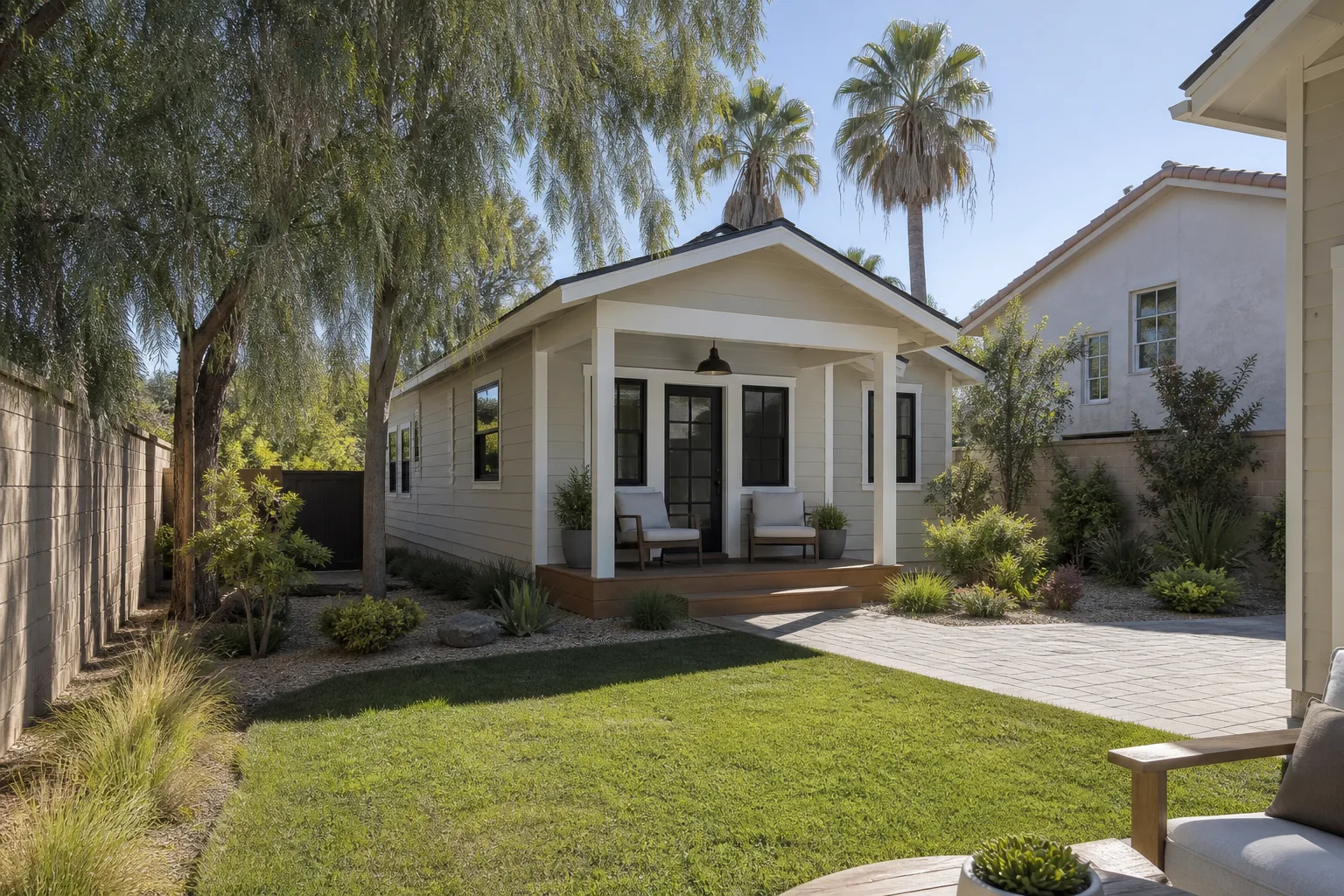
A properly built Atlas addition or ADU should last 40 to 60 years in Orlando, but the tie-in components and sill plates typically need replacement or reinforcement at the 20 to 25-year mark due to moisture and soil movement. The framing itself usually outlasts the connections, which is why we inspect the anchors and flashing first every time. Call (850) 809-0306 if you’re nearing that window and want a condition assessment.
Yes, most failing Atlas additions can be repaired rather than rebuilt, as long as the framing lumber itself hasn’t been compromised by rot or termite damage. Re-anchoring, re-flashing, and correcting drainage around the slab edge resolves the majority of separation and moisture problems we see. Call (850) 809-0306 for a structural assessment and a written repair scope.
A typical tie-in repair or sill replacement on an Orlando Atlas addition takes 3 to 7 working days, while a full structural rebuild of a failed addition can run 6 to 12 weeks depending on scope and permitting. We’ll give you a start date and a live arrival time for every day of the job, not a four-hour window to wait around in. Call (850) 809-0306 to get a schedule estimate for your specific project.
We keep common tie-in hardware, galvanized anchors, pressure-treated sills, and flashing materials on the truck for Atlas-style additions, which means most repairs can start the same week we diagnose the problem. Specialty components like engineered beams or custom trusses are ordered per project, typically 1 to 2 weeks out. Call (850) 809-0306 and we’ll tell you what’s on hand for your situation.
Written by Luca Romano, Owner & Lead Contractor, Sawyer Remodel Orlando at Sawyer Remodel Orlando, serving Orlando and nearby areas.