Free written scope consultation - allowances, timeline, and change-order rules on paper before a single trade is scheduled
Tamko Home Additions & ADU: The Orlando Owner’s Guide
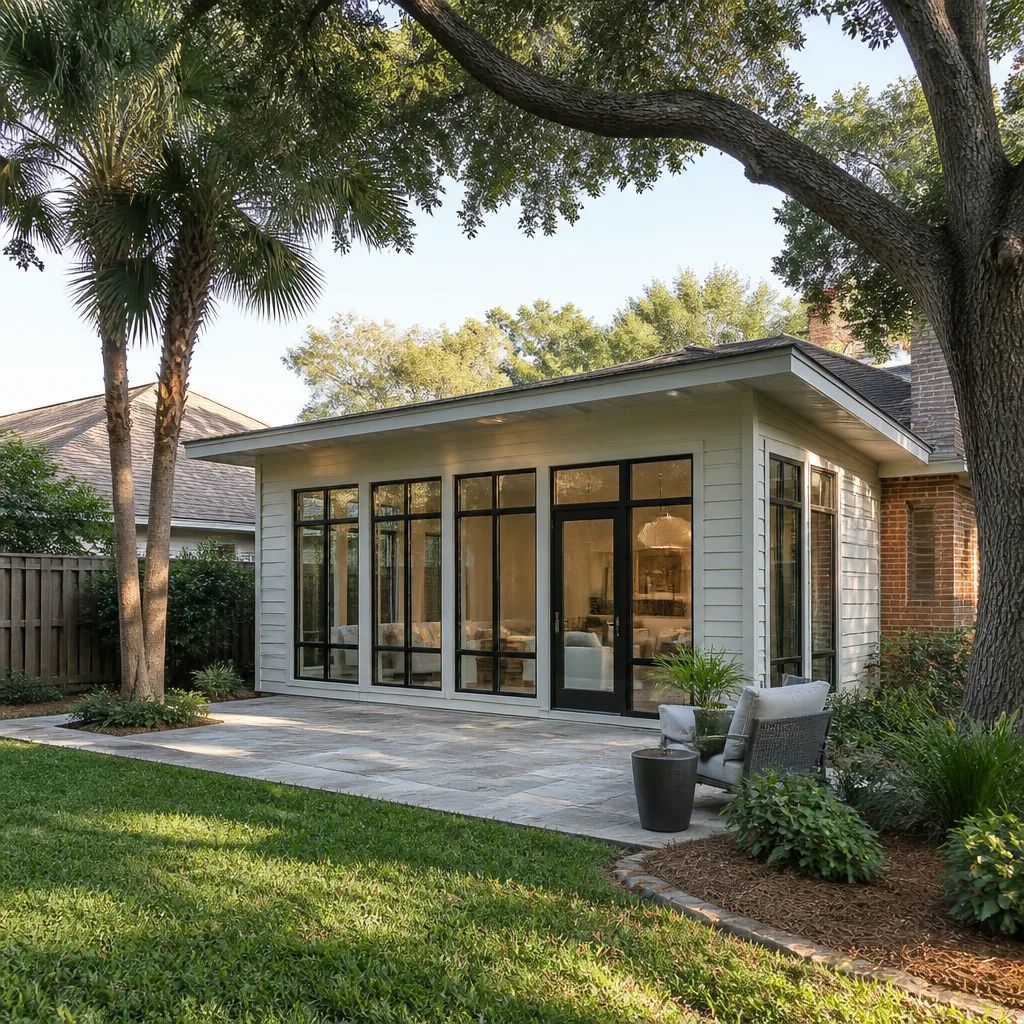
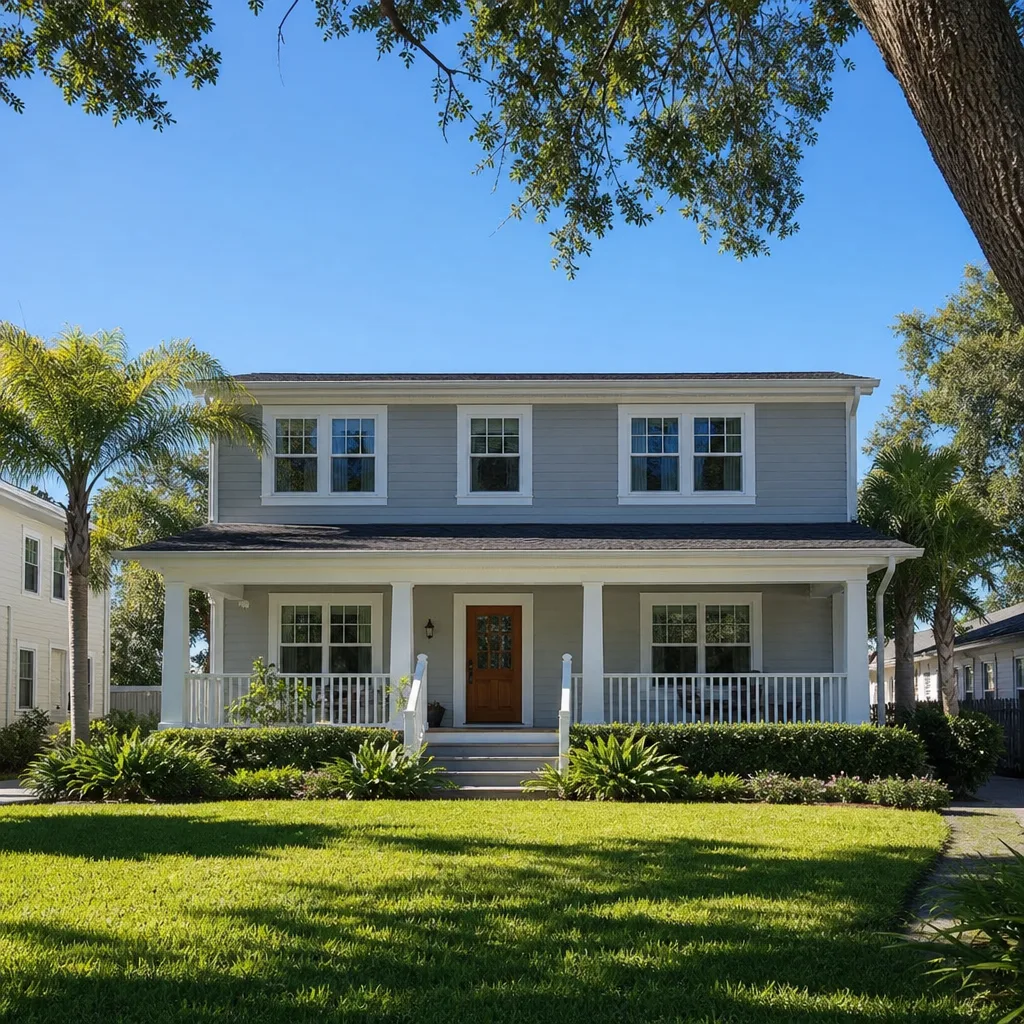
Tamko home additions and ADU projects in Orlando typically run $45,000 to $130,000 for a full addition, and $90,000 to $220,000 for a detached or garage-conversion ADU. We install and build Tamko-compatible additions as an independent general contractor, and most Orlando homeowners call us after realizing their add-on space has a water intrusion issue at the roofline tie-in, sagging headers over a new opening, or a failed connection point where old framing meets new. The majority of “Tamko part failures” we see on additions aren’t a single manufactured component snapping, they’re an integration failure: flashing that got skipped, a ledger board lagged into stucco instead of studs, or subfloor that wasn’t rated for the new span. That’s the conversation this page is for.
Quick answer: If you’re pricing a Tamko home addition or ADU in Orlando, expect $45,000 – $130,000 for an attached addition and $90,000 – $220,000 for a full ADU. We provide written, line-item pricing before any work starts, pull permits, and stand behind the structure with our 365-Day Done Right Promise.
Which Tamko Models This Applies To
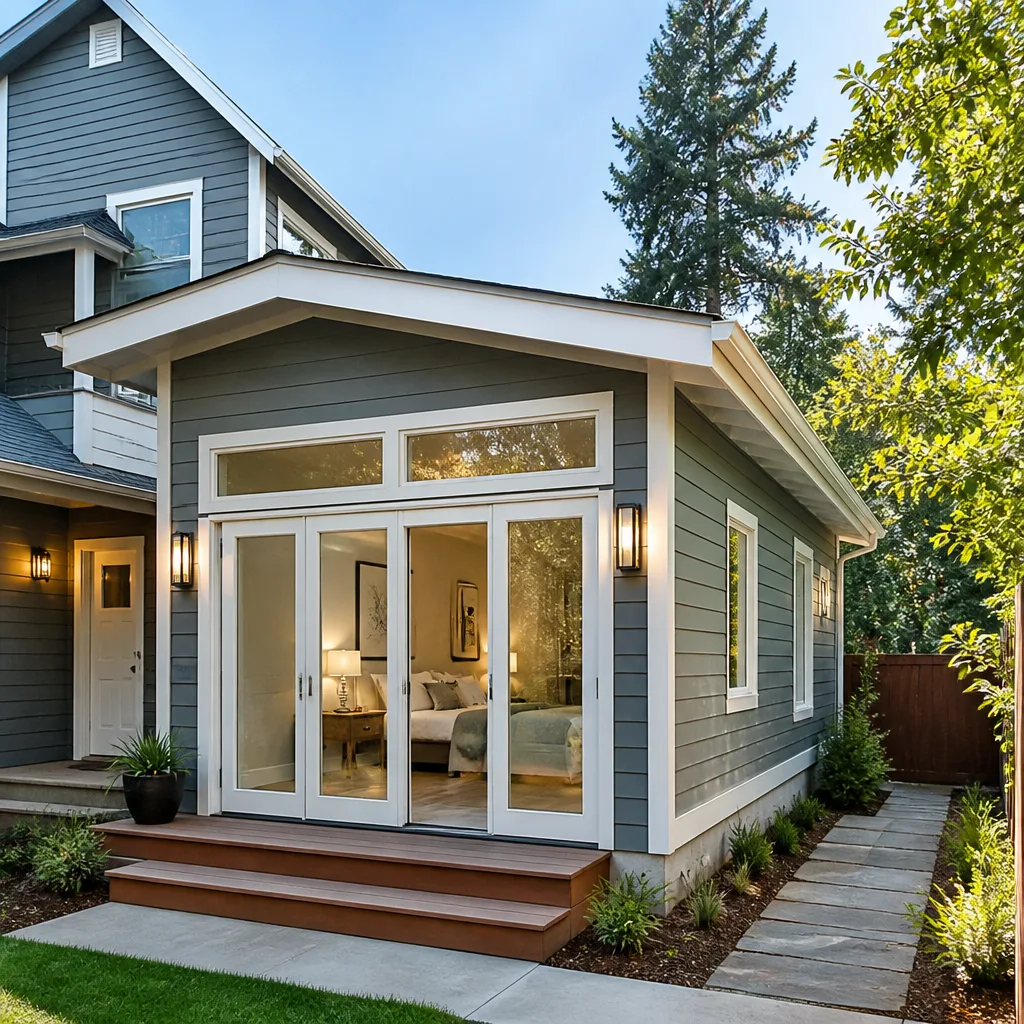
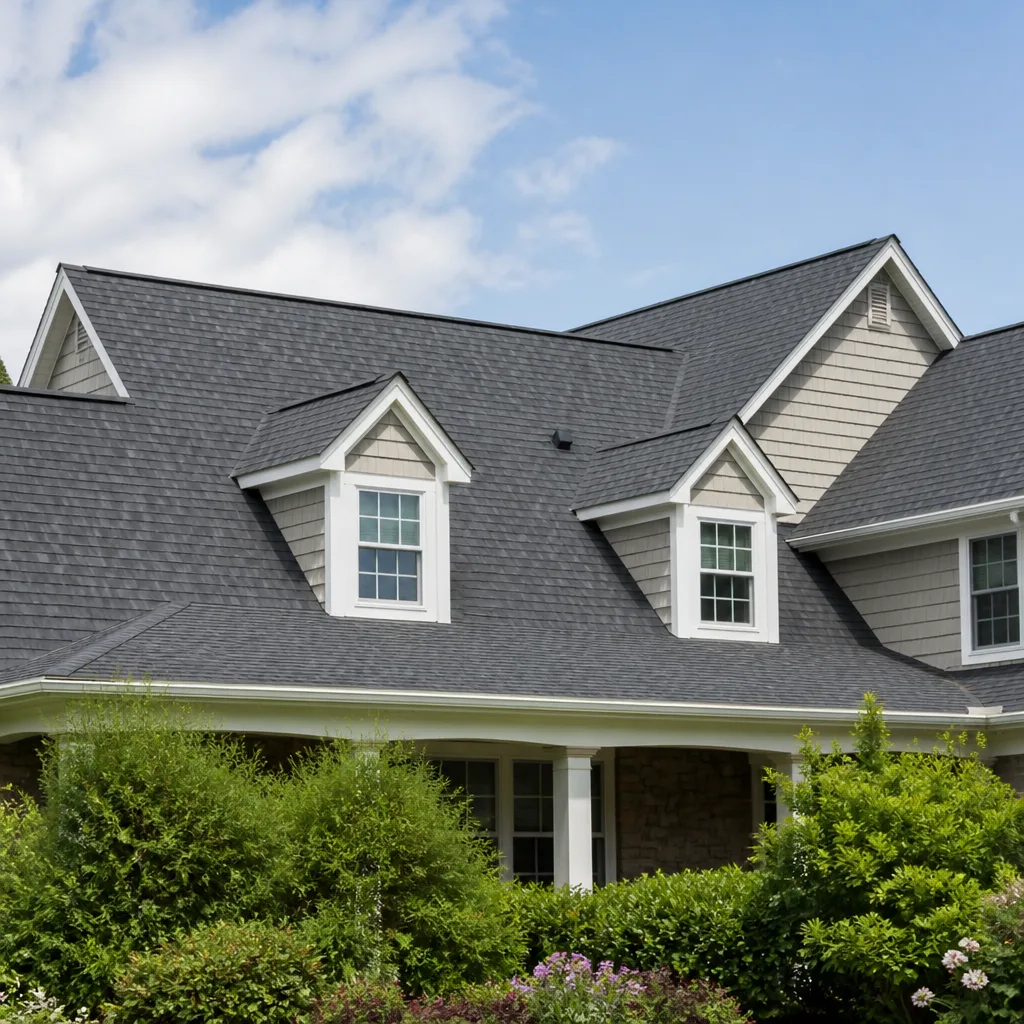
Tamko doesn’t manufacture a single “home addition” line, they manufacture the building envelope materials that go on it: asphalt shingles, waterproofing underlayments, and decking products that a framing crew installs over new square footage. When Orlando homeowners ask about “Tamko additions,” they’re almost always talking about the Tamko shingle or waterproofing layer on a recently added room or ADU, and the failure is happening where that layer meets the original roofline or a new dormer valley. That’s the gotcha: Tamko’s material warranty covers manufacturing defects, but it does not cover a bad tie-in or an installer who skipped flashing. If water is getting in at the seam where your addition meets the house, that’s an installation issue on whoever framed and roofed the addition, not a Tamko defect.
To figure out what you have, look at the bottom edge of a shingle or the edge of your underlayment roll. Tamko shingle lines like Heritage, Lamarite, or the discontinued MetalWorks line have distinct granule patterns and nail-line markings. For our work, we treat Tamko Heritage shingles as the default match on Orlando additions because they’re stocked locally and match the wind-uplift requirements for Florida Building Code. We also install Tamko’s TW-60 underlayment on new addition roofs and ADUs because it holds up to Central Florida’s afternoon downpour cycles better than 30-pound felt.
Styles & brands we work with
Signs Your Tamko Home Addition or ADU Is Failing
- Water stains at the seam where the new addition meets the old roofline. Nine times out of ten this is a step flashing failure or a skipped cricket, not a shingle defect. The water finds the transition point and sits there.
- Shingle granule loss concentrated near the new roof valleys. Orlando’s summer thunderstorms channel water hard through valleys. If the valley wasn’t lined with the right width metal or membrane, the shingles there age three times faster than the field.
- Doors or windows in the new addition stick only in the afternoon. That’s thermal movement in the new framing, often a sign the wall was framed without an expansion detail or the roof trusses are binding against the interior partition.
- A new ADU smells like a closed-up shed in the morning. This means the vapor barrier or underlayment was installed wrong, or the mini-split isn’t handling the moisture load. In Florida humidity, a poorly sealed ADU will grow mold in under a year.
- Ceiling drywall cracks at the intersection of old and new framing. The addition is settling or the connection detail between the two structures was underbuilt. If the crack grows over a month, stop caulking it and call someone.
See the difference
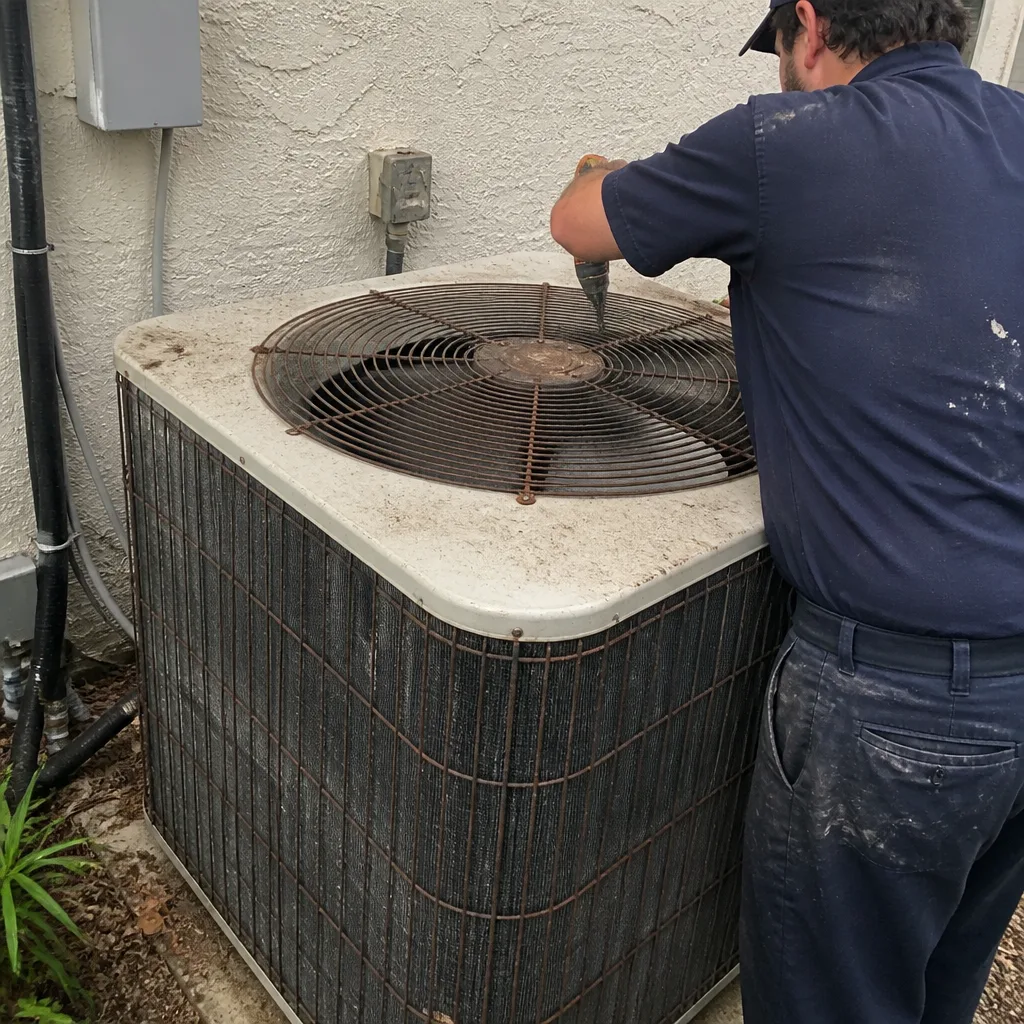 Before
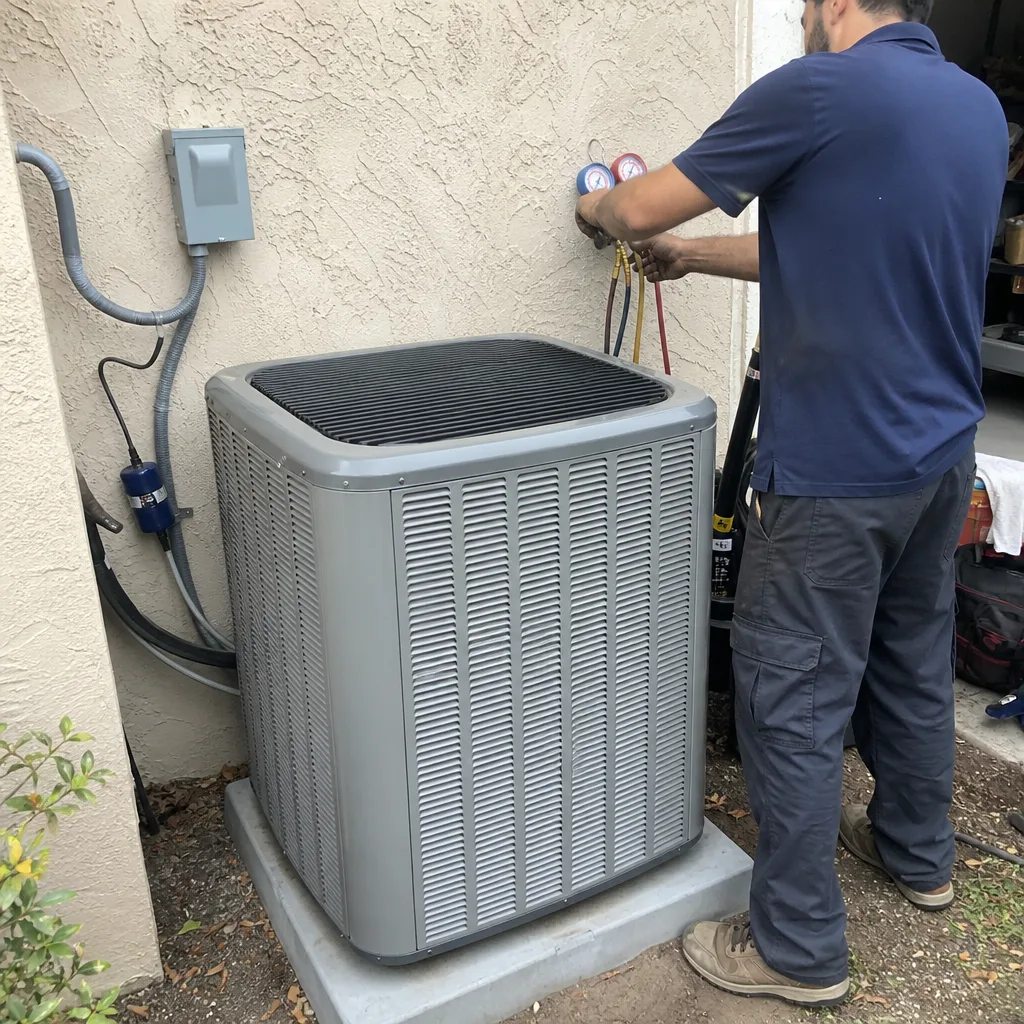 After
After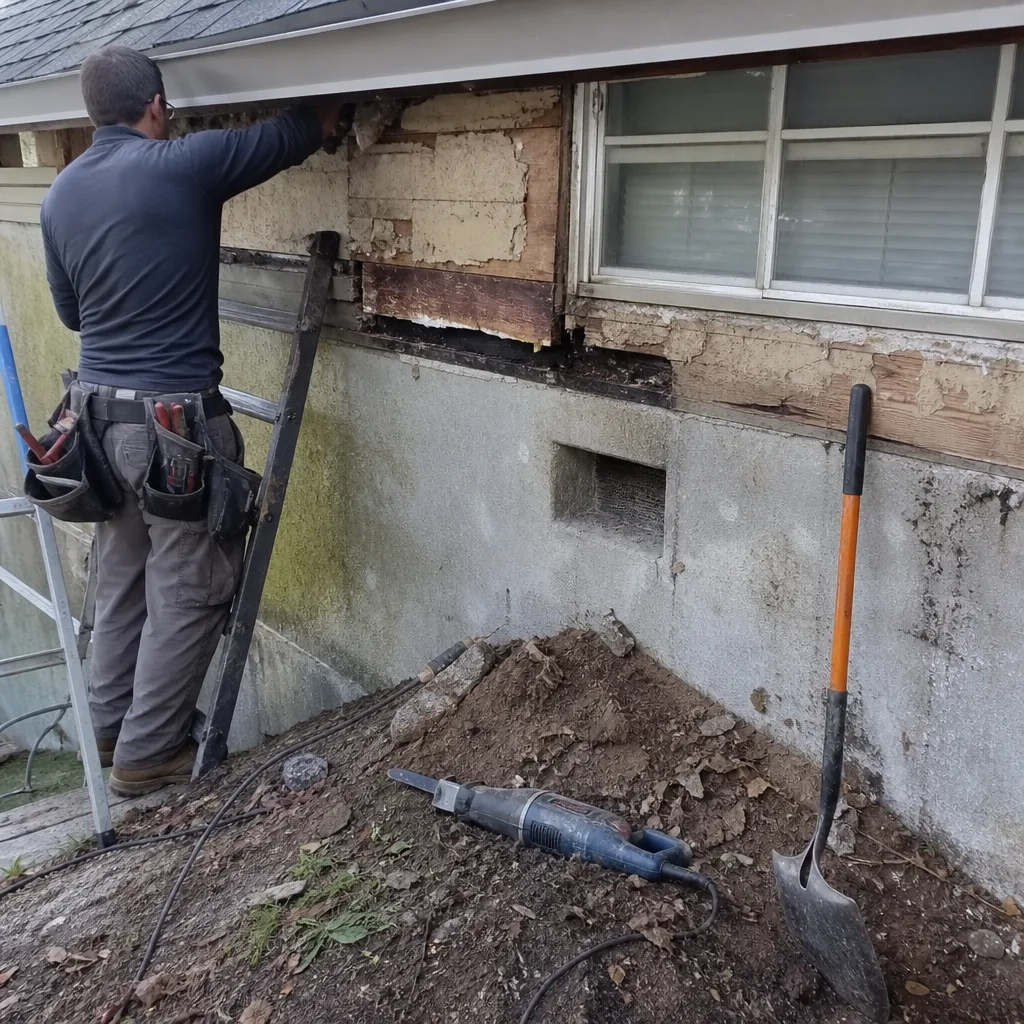 Before
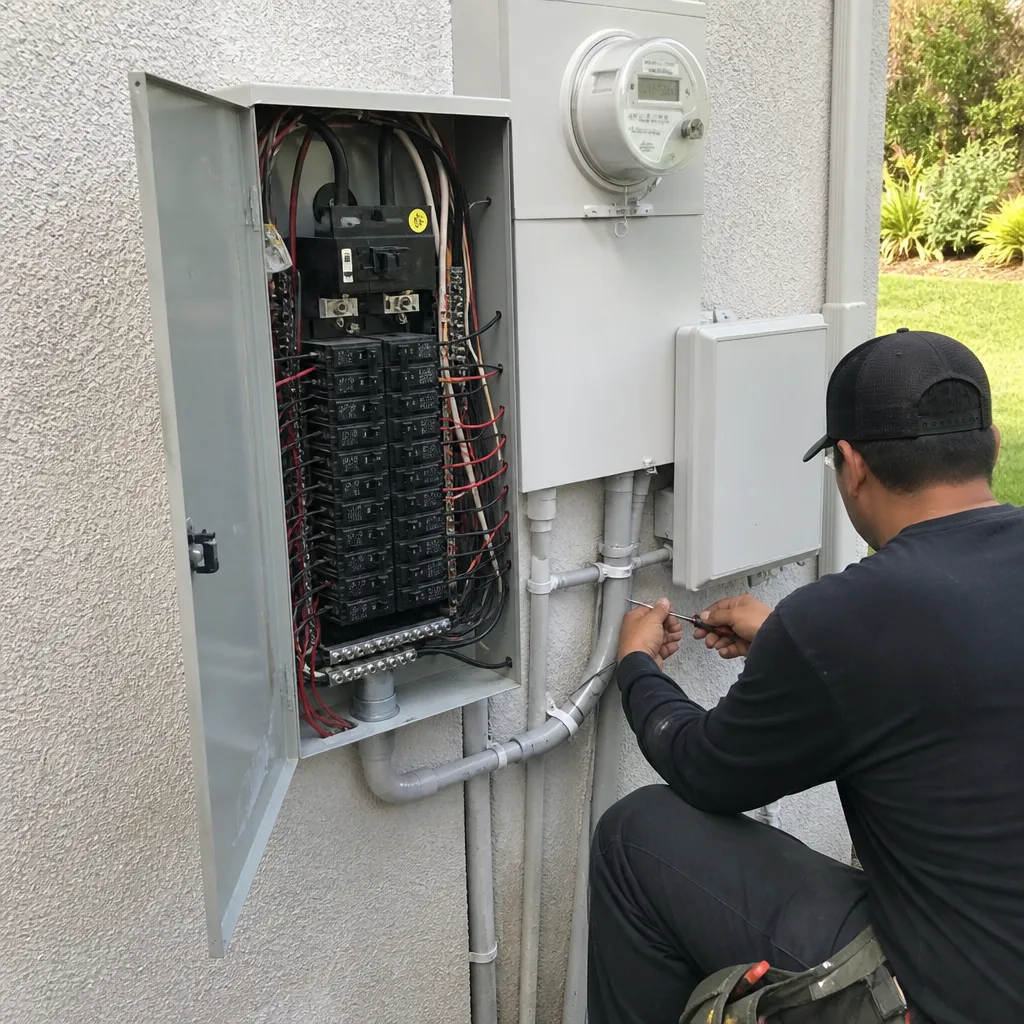 After
After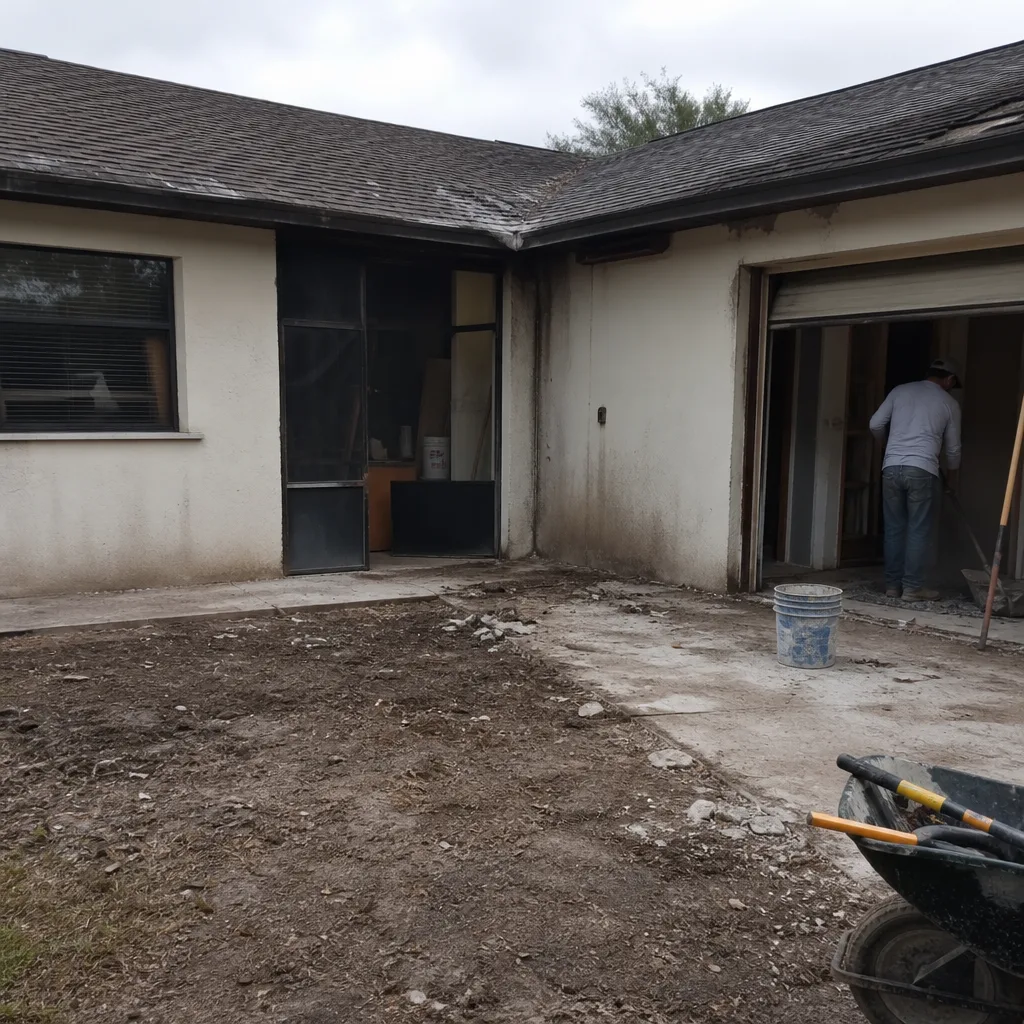 Before
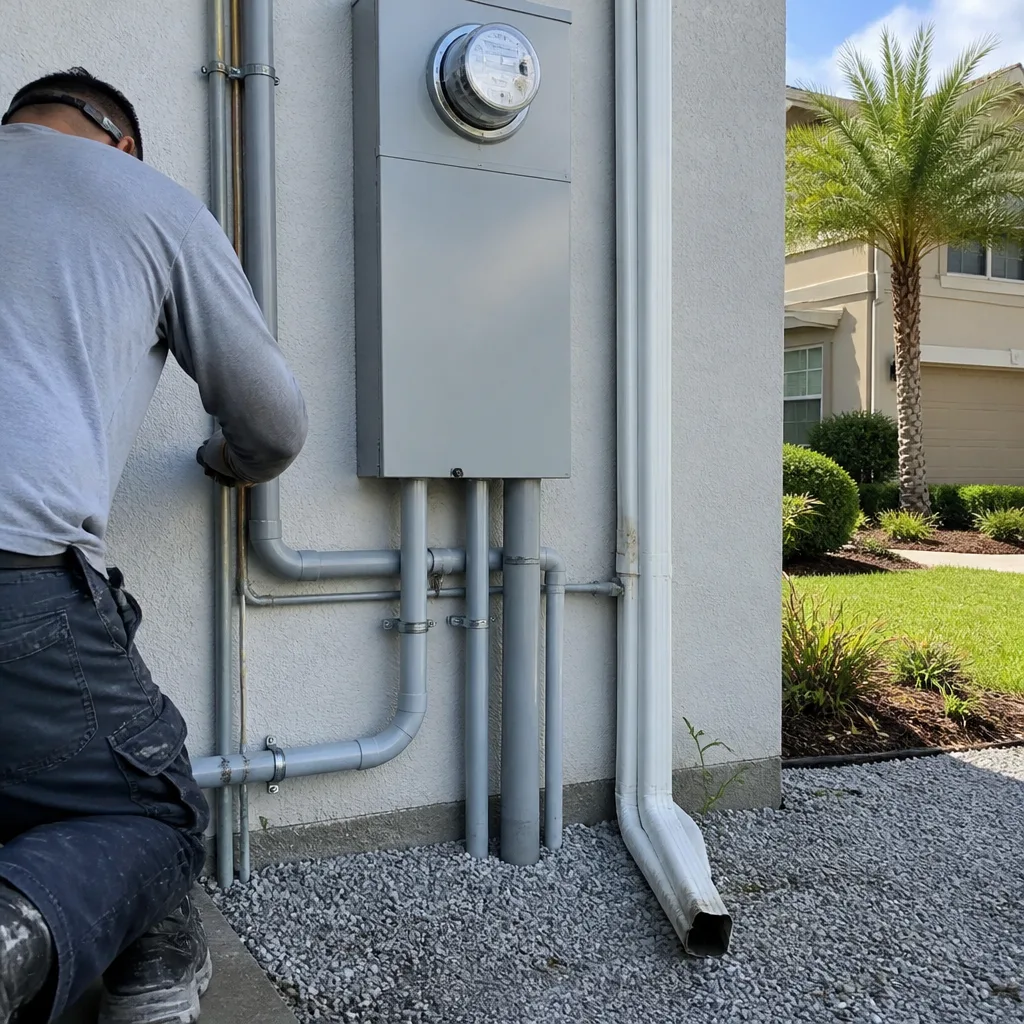 After
AfterReplacement Cost & What’s Included
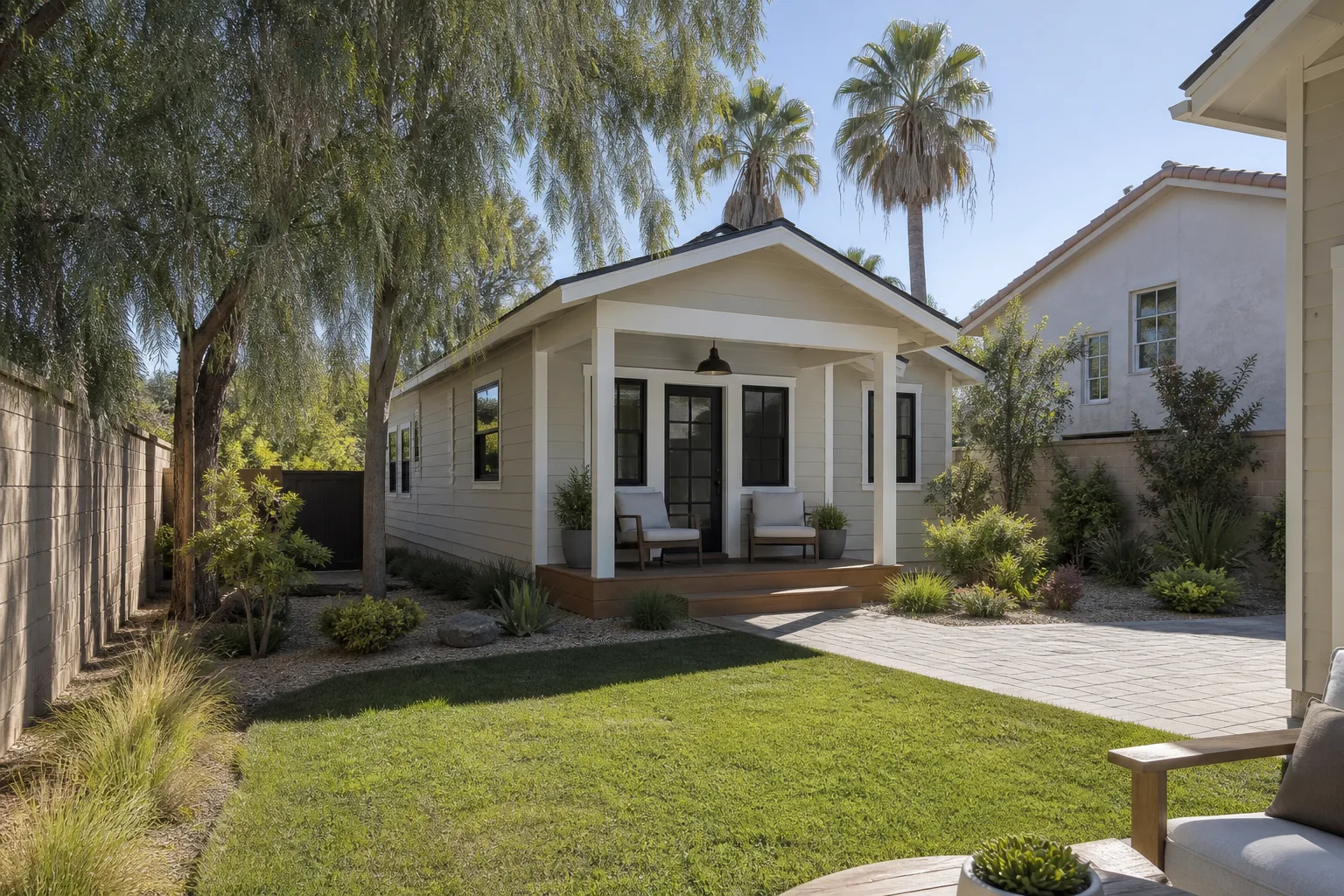
Here’s the straight number for Orlando. A full home addition built to code runs $45,000 – $130,000 depending on square footage, foundation type, and finishes. An ADU (detached or garage conversion) runs $90,000 – $220,000. The range is wide because Orlando lot conditions vary dramatically, from slab on grade in College Park bungalows to elevated crawlspace builds near Lake Eola. What drives cost more than anything is whether your existing roofline can be tied into cleanly, whether the house needs electrical service upsizing, and whether the soil passes a standard compaction test.
- Complete site plan and structural drawings stamped for Orange County permitting
- Full permit pull and inspection scheduling
- Foundation-to-roof framing, sheathing, and Tamko roofing or underlayment
- Electrical rough and finish, including panel upsizing if required
- HVAC tie-in or dedicated mini-split for the new space
- Written, line-item price before any work starts
Every addition we build carries the 365-Day Done Right Promise, and if a repair fails within that year, our second visit is free. We do not do change orders on framing or waterproofing scope. If the soil or the existing structure surprises us, we tell you and re-price before touching it.
DIY or Call Us?
You can check a few things safely. Walk your new addition after a heavy rain and photograph every water stain. Look at the shingle edges where the new roof plane meets the old. Check that all downspouts discharge at least three feet from the new foundation. Those are homeowner-level diagnostics, and having photos ready shortens our first visit considerably.
What you should not touch is anything structural. Cutting a new door opening in a load-bearing wall, sistering a sagging header, reflashing a valley from a ladder, or re-nailing underlayment on a 6/12 roof in August is how Orlando homeowners end up in the ER or with a failed inspection. The work we correct most often started as a “quick fix” by someone who watched a tutorial. Good work doesn’t need a speech, it just needs to hold up. If the issue is water coming into your addition or ADU, call (850) 809-0306 and we’ll send someone who can diagnose it on the rooftop, not from a photo.
FAQs
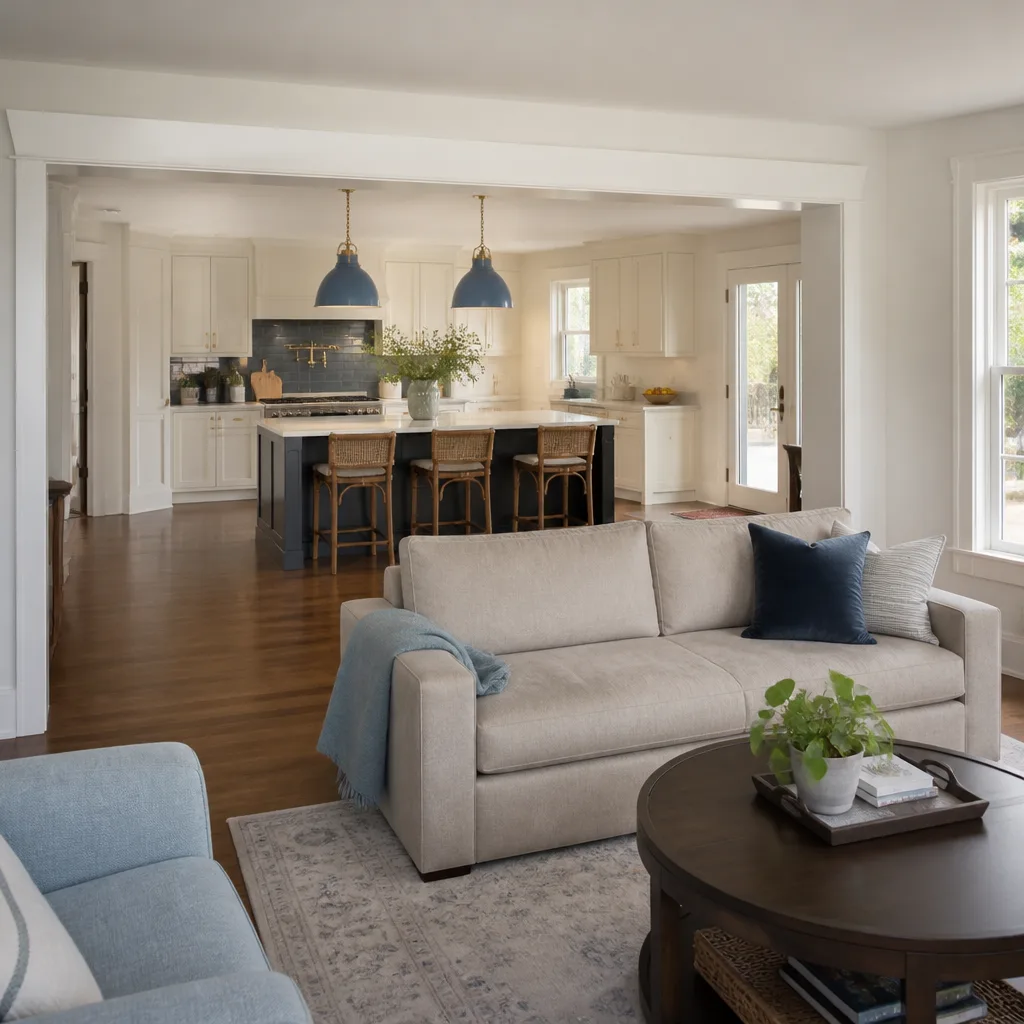
Tamko Heritage architectural shingles on a properly vented and flashed Orlando addition should last 20 – 25 years, though the valley and tie-in flashings typically need attention around year 12 – 15. Florida UV and wind-driven rain shorten what the manufacturer’s warranty might suggest in a drier climate. Call (850) 809-0306 and we’ll inspect the tie-in and valley flashings as part of a free estimate.
Yes, most tie-in and flashing failures can be corrected without tearing off the new addition, if the framing underneath is still sound. We remove the affected shingles, rework the step flashing and valley detail, and re-inspect the underlayment. If the water has been running for years and the sheathing is rotten, that section gets replaced. The estimate is line-itemed so you see exactly what’s repair versus rebuild.
A typical attached addition runs 10 – 16 weeks from permit approval to final inspection, and a full ADU runs 4 – 7 months. The two biggest schedule variables are Orange County permit review times and how long the truss plant takes. We keep you updated with live arrival time tracking and before-and-after photo updates through the Relay app, so you’re never wondering where the crew is.
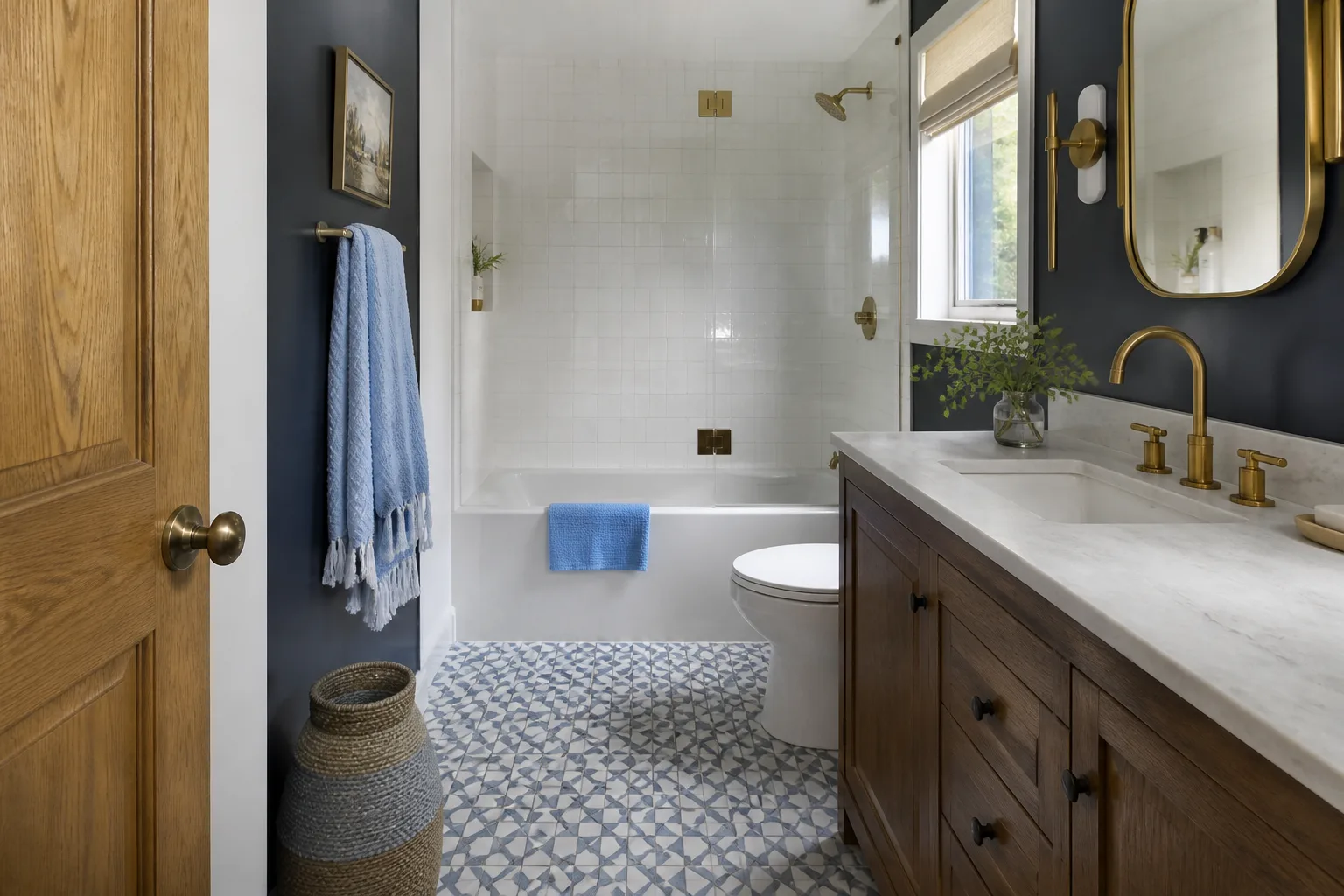
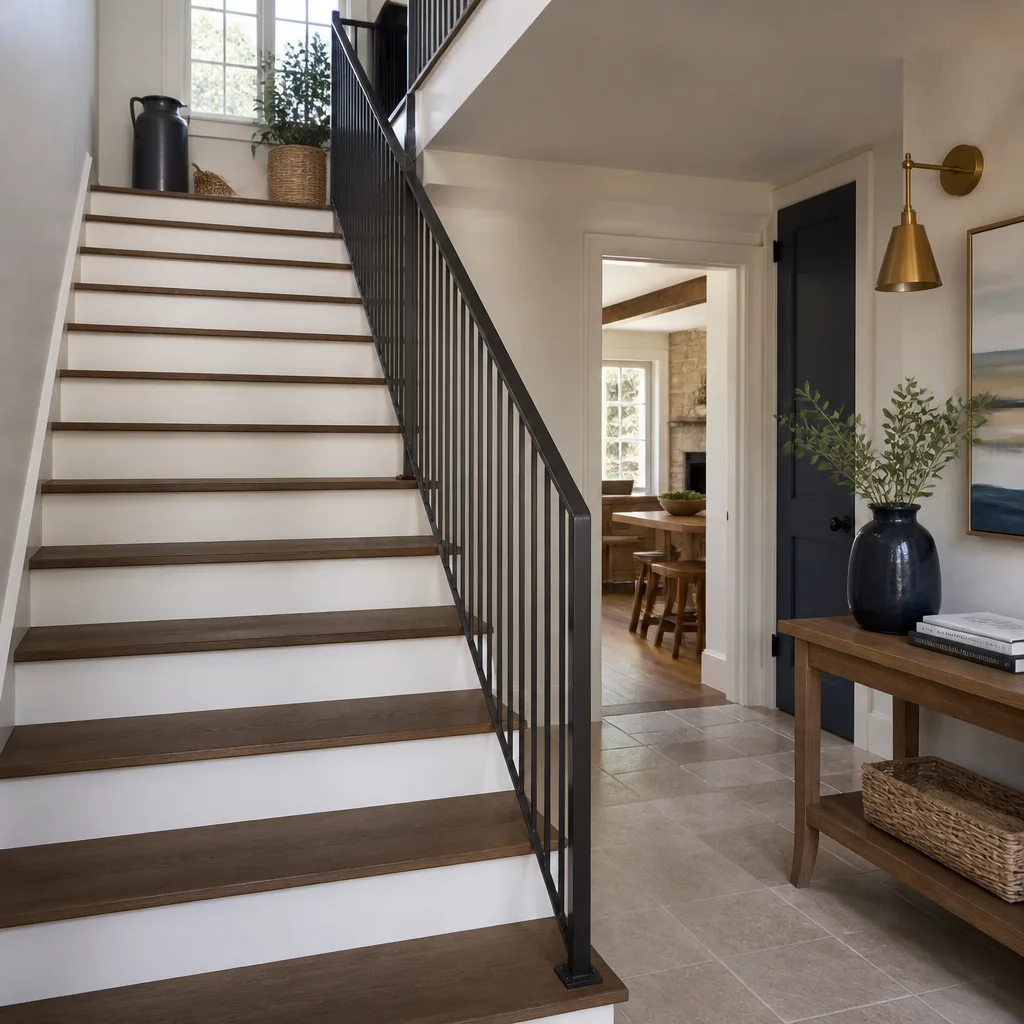
We stock Tamko shingles, TW-60 underlayment, and valley metal in our Orlando warehouse, and we pull from local suppliers the same week for any ADU-specific orders. You never need to order materials yourself, and our price is for materials and labor together, so there’s no separate markup surprise. We also work with KraftMaid, Cambria, and Silestone for interior finishes on additions and ADUs, so the same crew handles the whole build.
If your Tamko home addition or ADU is showing signs of water intrusion, a failing tie-in, or settling, call (850) 809-0306. We’ll schedule a free estimate, put the price in writing, and tell you exactly what’s wrong before any work begins. That’s The Relay Standard, and it’s how every Sawyer Remodel Orlando project runs.
Written by Luca Romano, Owner & Lead Contractor, Sawyer Remodel Orlando at Sawyer Remodel Orlando, serving Orlando and nearby areas.