Free written scope consultation - allowances, timeline, and change-order rules on paper before a single trade is scheduled
Barrette Roofing: The Orlando Owner’s Guide
We stock and install Barrette-compatible roofing and trim parts across Orlando, with typical replacement work running $400 – $1,800 depending on the part and the extent of the damage. Most Barrette component failures we see involve aluminum fascia, soffit panels, or drip edge that has pulled loose during a storm or corroded after years of Florida humidity and salt air. Homeowners usually discover the problem after a hard rain, when they spot water staining along the eaves, or after a windy afternoon leaves a section of fascia hanging off the roofline.
The good news: Barrette parts are well-made, but they’re also a common profile, which means we can usually match the exact piece or a quality equivalent quickly and get it installed without waiting on a special order. If you’re in Orlando and your Barrette trim or roofing component has failed, you’re looking at a straightforward fix, not a full roof replacement.
Which Barrette Models This Applies To
Barrette manufactures a broad line of exterior building products, but in Central Florida we mostly work with their aluminum fascia, soffit, drip edge, and rake trim. These parts come in standard residential profiles: 6-inch and 8-inch fascia, 12-inch and 16-inch soffit panels, and drip edge in 10-foot lengths. The compatibility gotcha most Orlando homeowners run into is color matching. Barrette uses a specific baked-on enamel finish, and their “White,” “Clay,” and “Bronze” tones don’t perfectly match the big-box equivalents. If your existing trim has faded after five to eight years of Florida sun, we sometimes recommend replacing the full run rather than patching one section with a shade that’s close but visibly off.
For identification, look at the backside of any loose piece. Barrette stamps their name and the profile code along the hidden edge. If you can’t read it, measure the face width and the return leg. That measurement gets us to the right part 90% of the time without a site visit. On the OEM versus aftermarket question: Barrette’s aluminum is a heavier gauge than most generic trim, and in Orlando’s high-wind storm season, that extra stiffness matters. We recommend genuine Barrette when it’s available locally. When it’s not, we source quality 0.019-gauge or thicker aluminum equivalent and tell you before we install it.
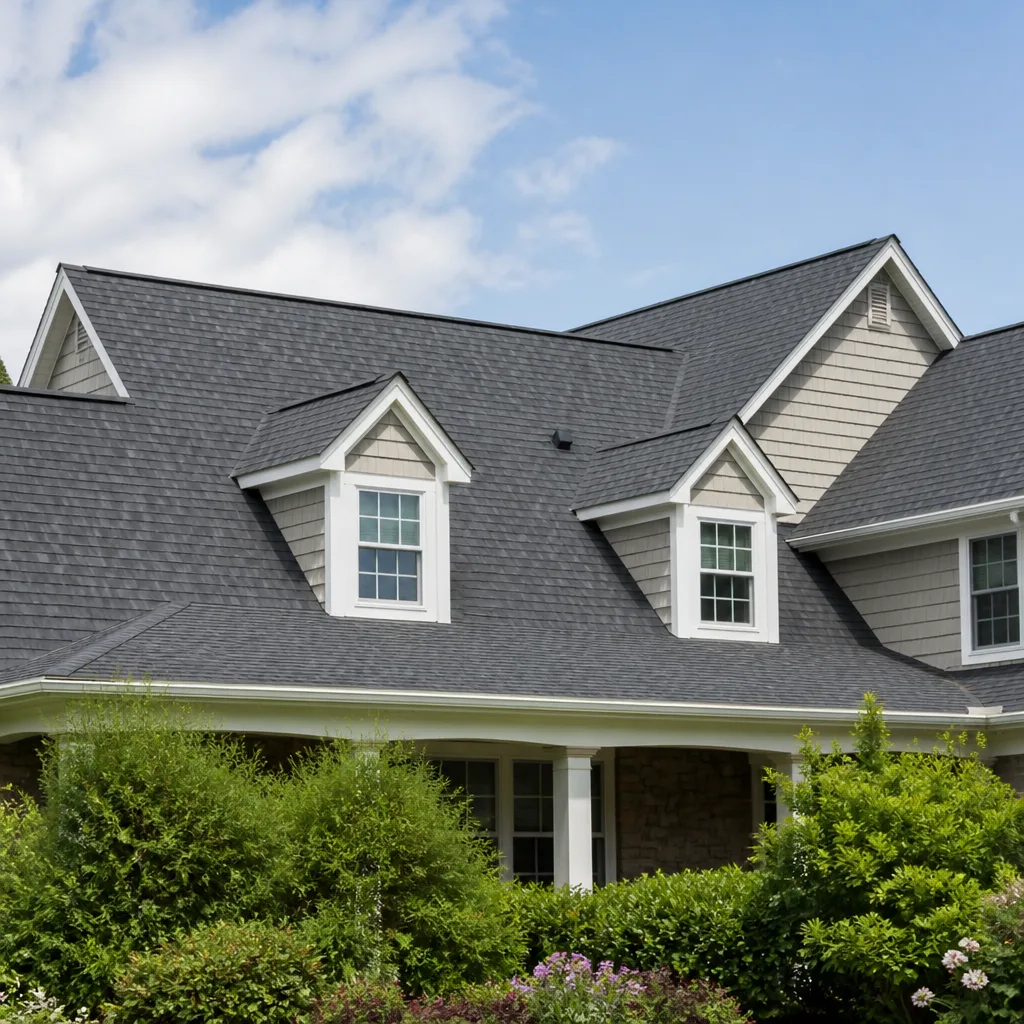
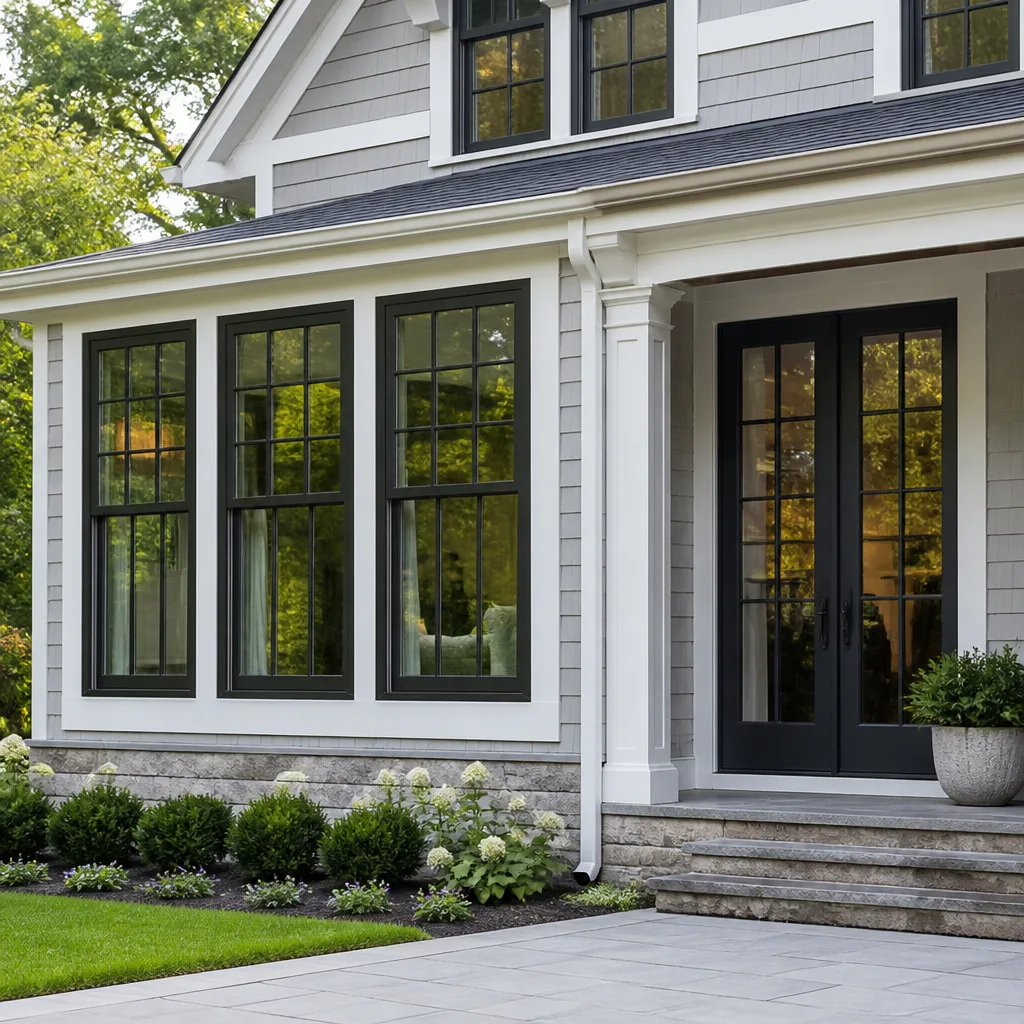
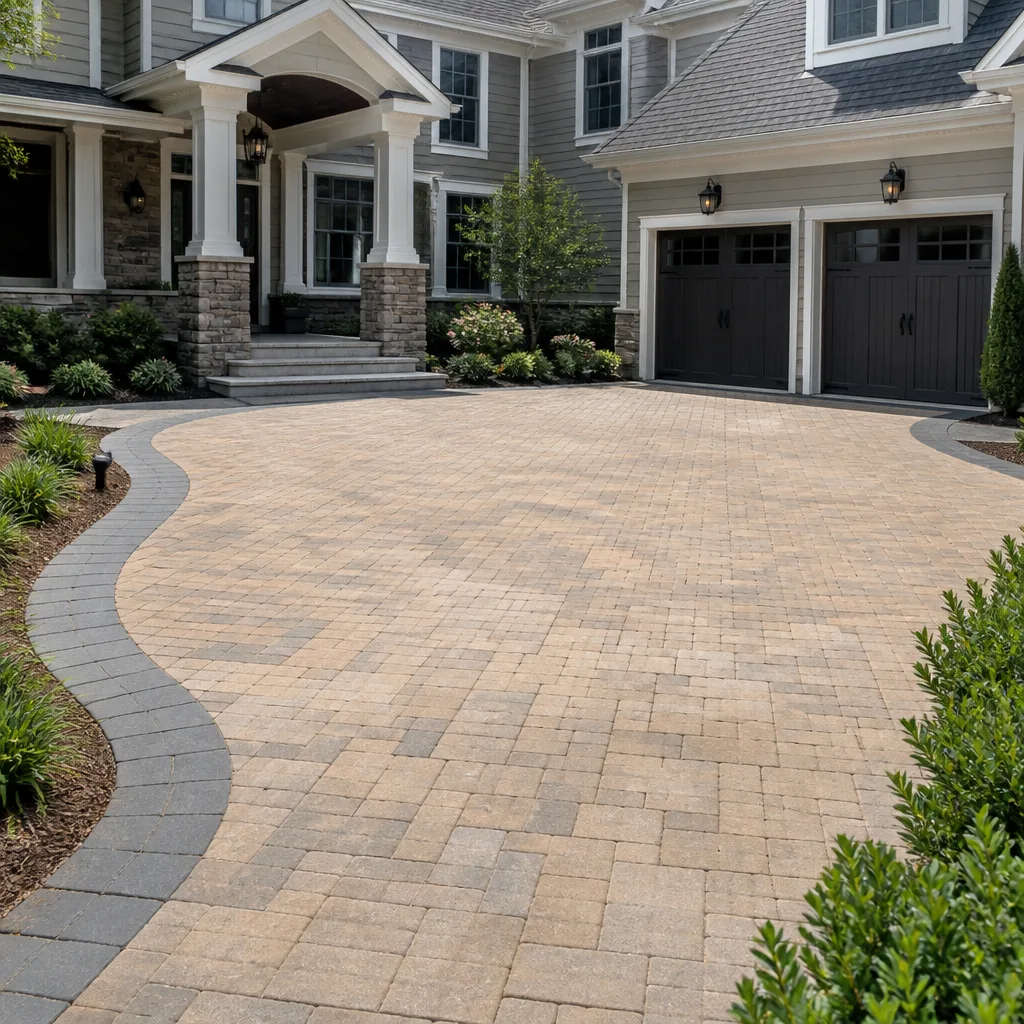
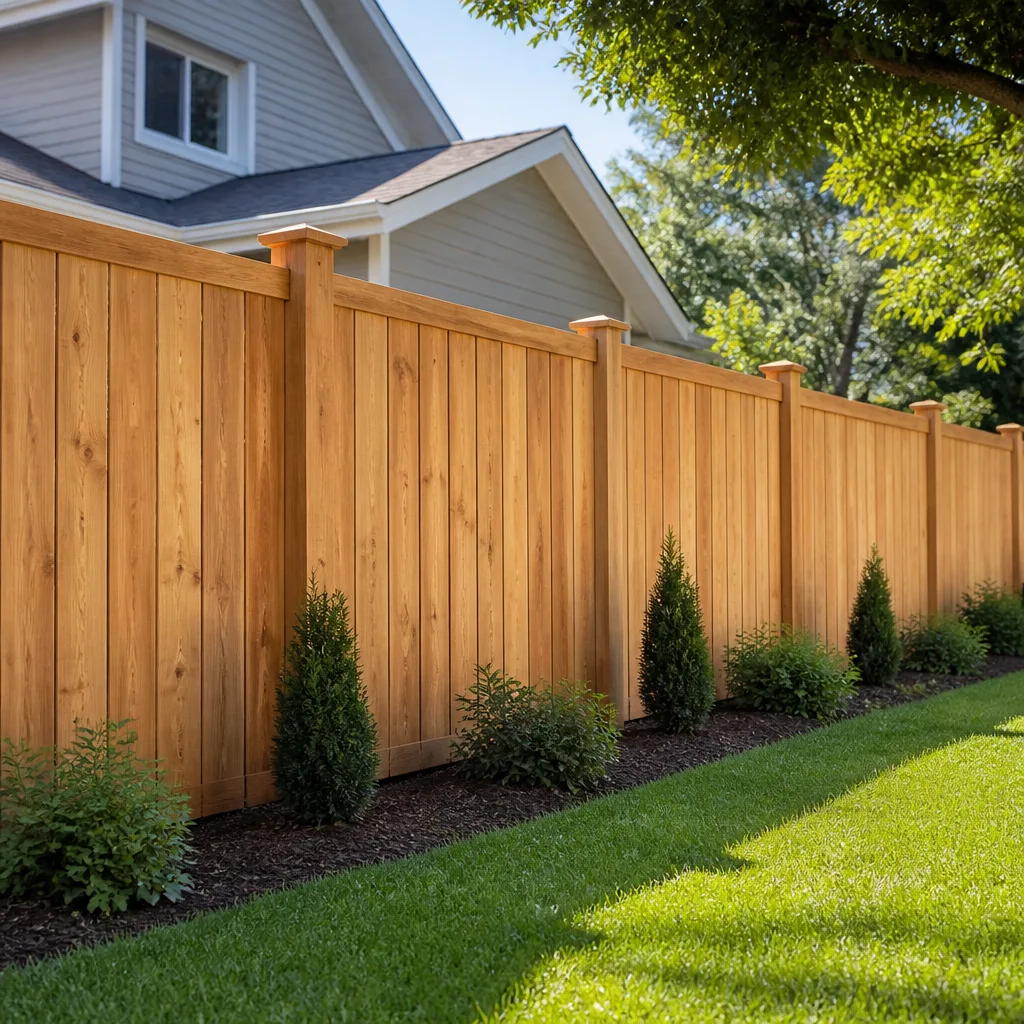
Styles & brands we work with
Signs Your Barrette Roofing Is Failing
- Water staining on the fascia boards or soffit panels. This usually means the drip edge is no longer directing water into the gutter, and the moisture is wicking back into the aluminum. The Barrette part itself may be fine, but the flashing behind it has failed.
- Loose or flapping fascia after a storm. High winds in Orlando, especially during summer afternoon thunderstorms, work the fasteners loose over time. A single loose section is a quick fix; multiple loose sections suggest the original install didn’t use enough fasteners per piece.
- Chalky white residue on the aluminum surface. That’s the enamel finish oxidizing, which is normal for any painted aluminum in Florida after six to ten years. It doesn’t mean the part failed structurally, but it’s the first sign the protective coating is breaking down.
- Daylight visible through the soffit or at the roof-to-wall transition. This often points to a soffit panel that has shifted out of its J-channel or a section of Barrette trim that was never seated correctly. It’s an open invitation for birds, wasps, and humid air to get into your attic.
- Bent or dented rake trim along the gable ends. Ladder strikes during gutter cleaning or hurricane prep are the usual culprit. Bent trim won’t fail immediately, but it loses its structural grip on the roof edge and starts pulling away from the underlayment during the next wind event.
See the difference
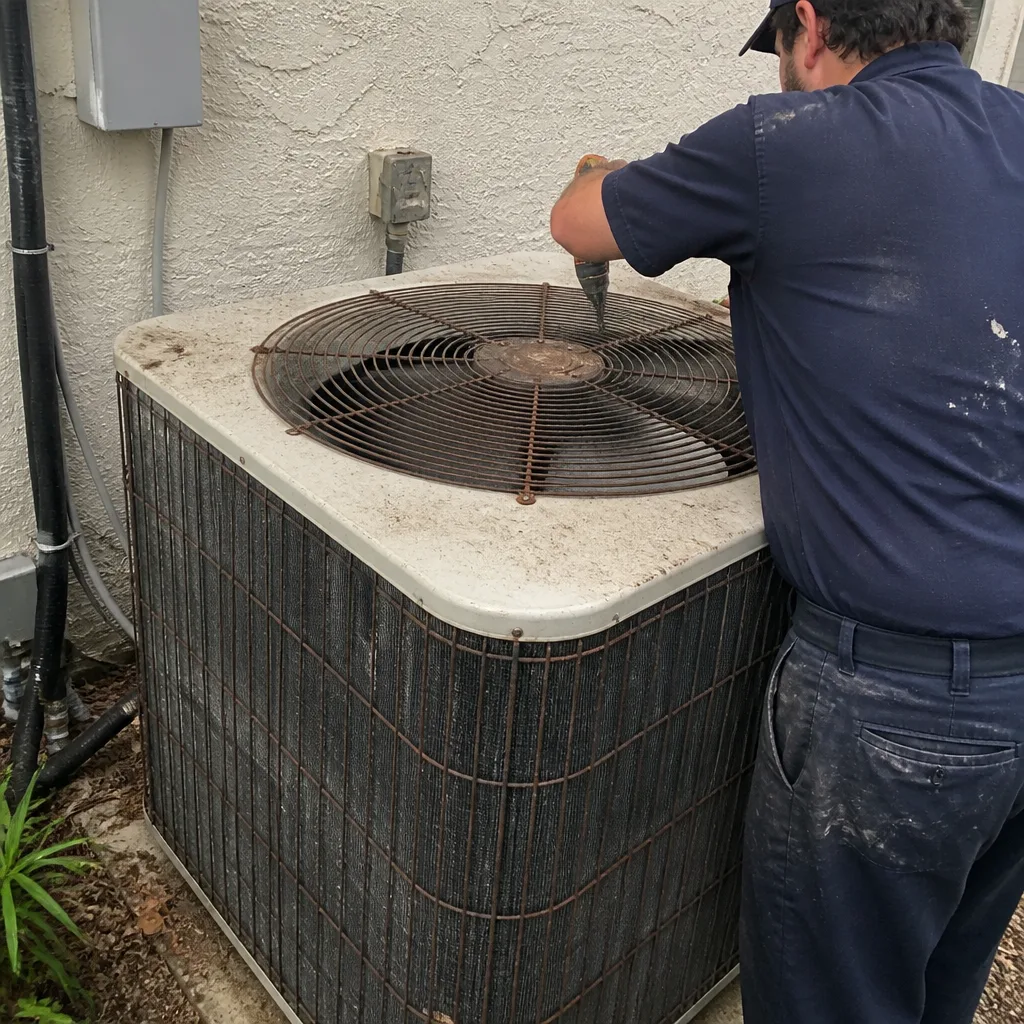 Before
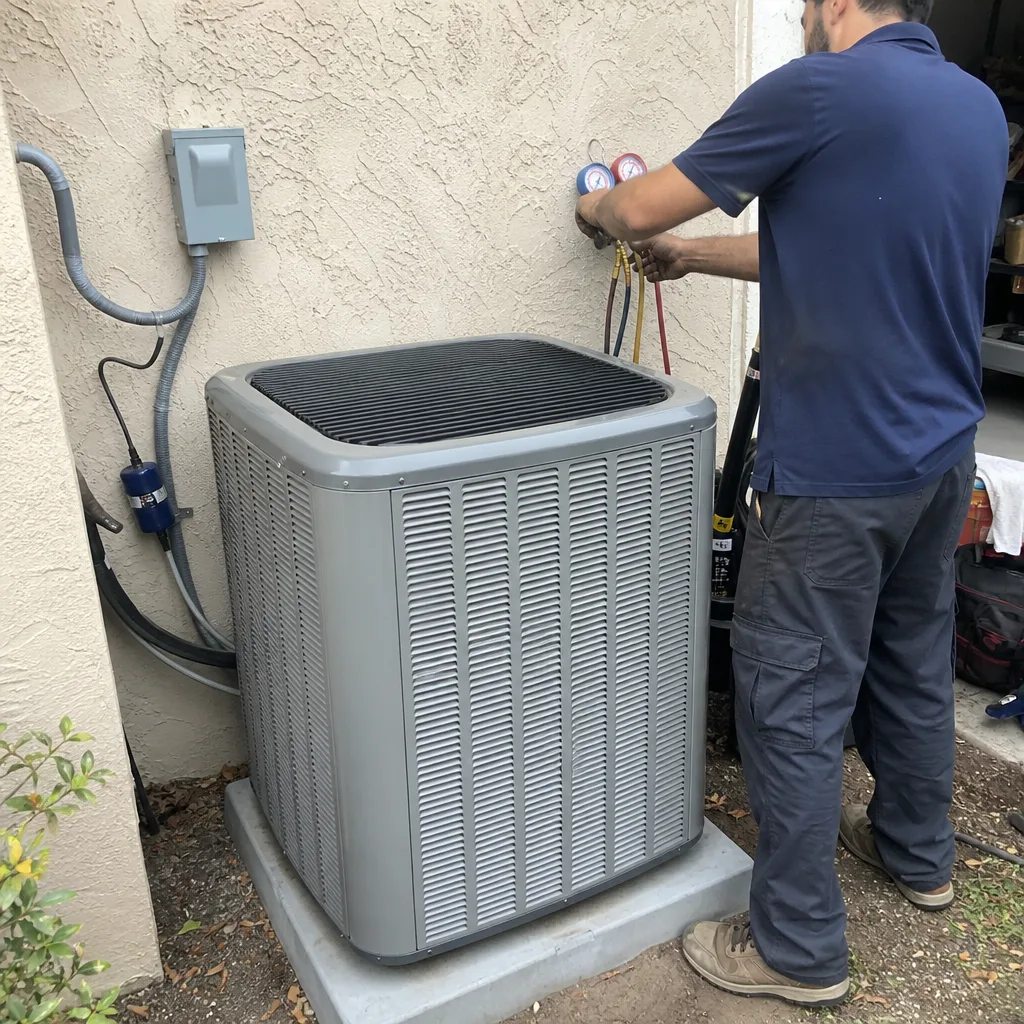 After
After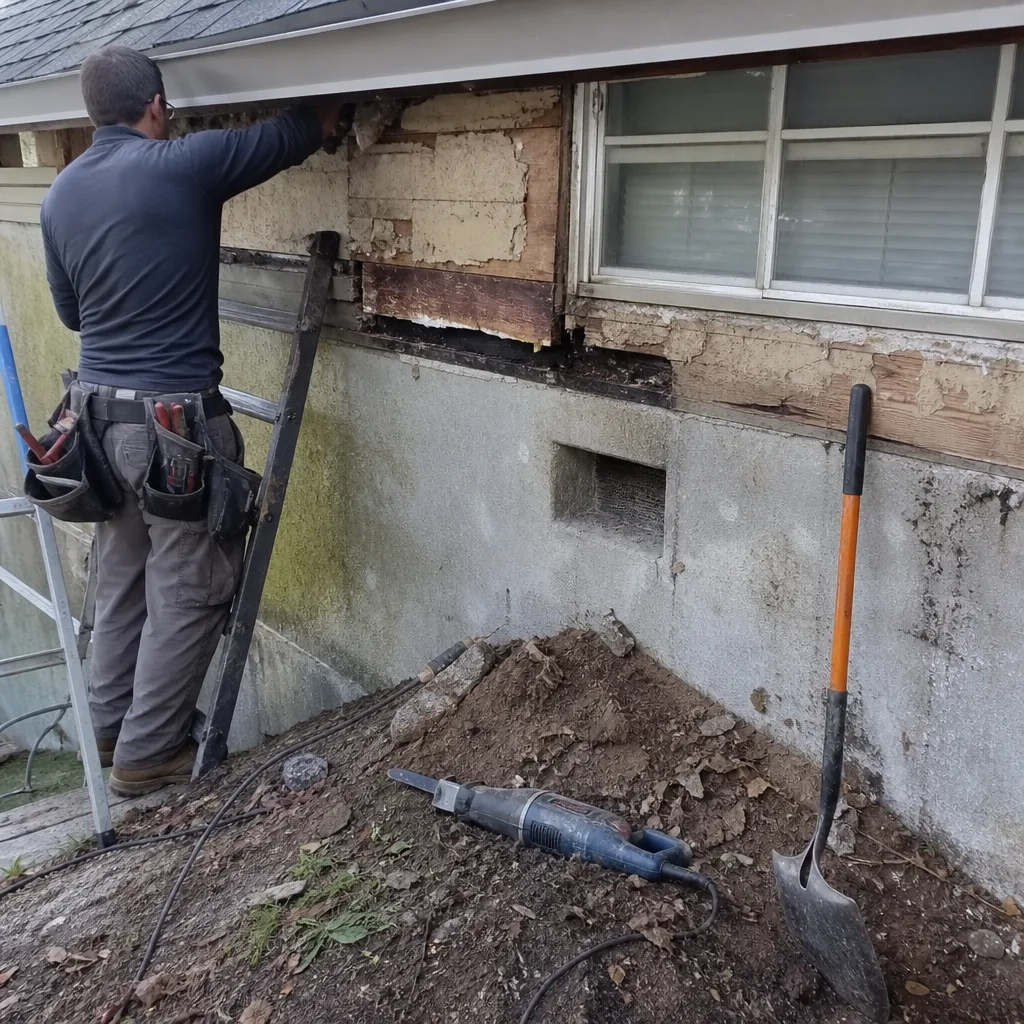 Before
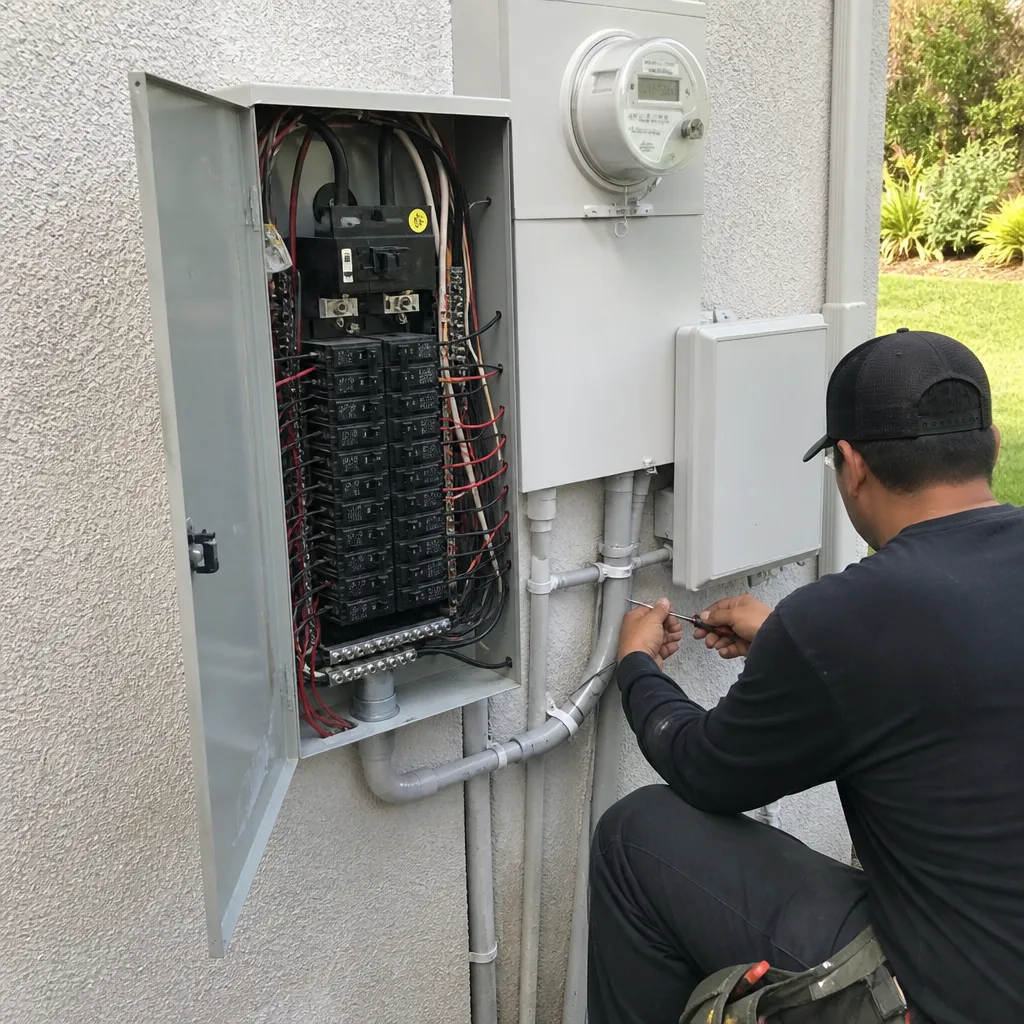 After
After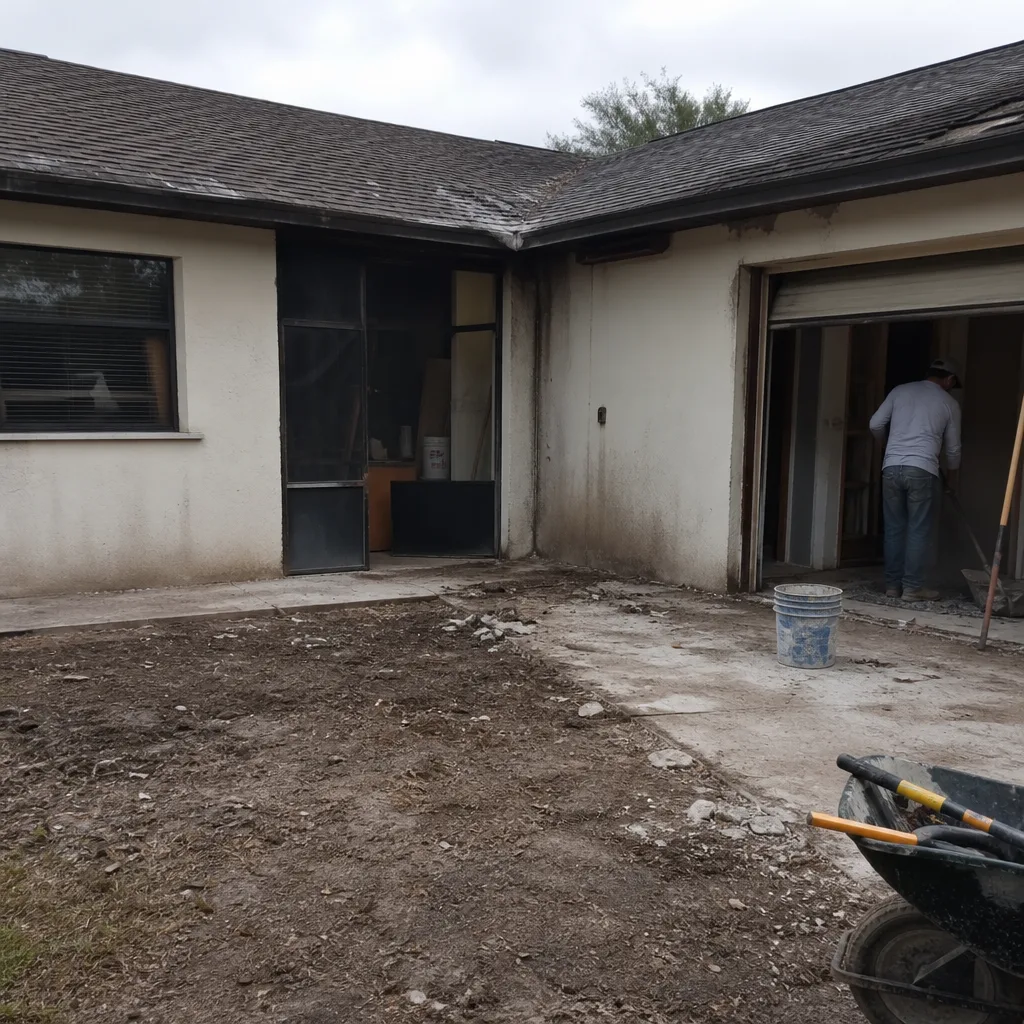 Before
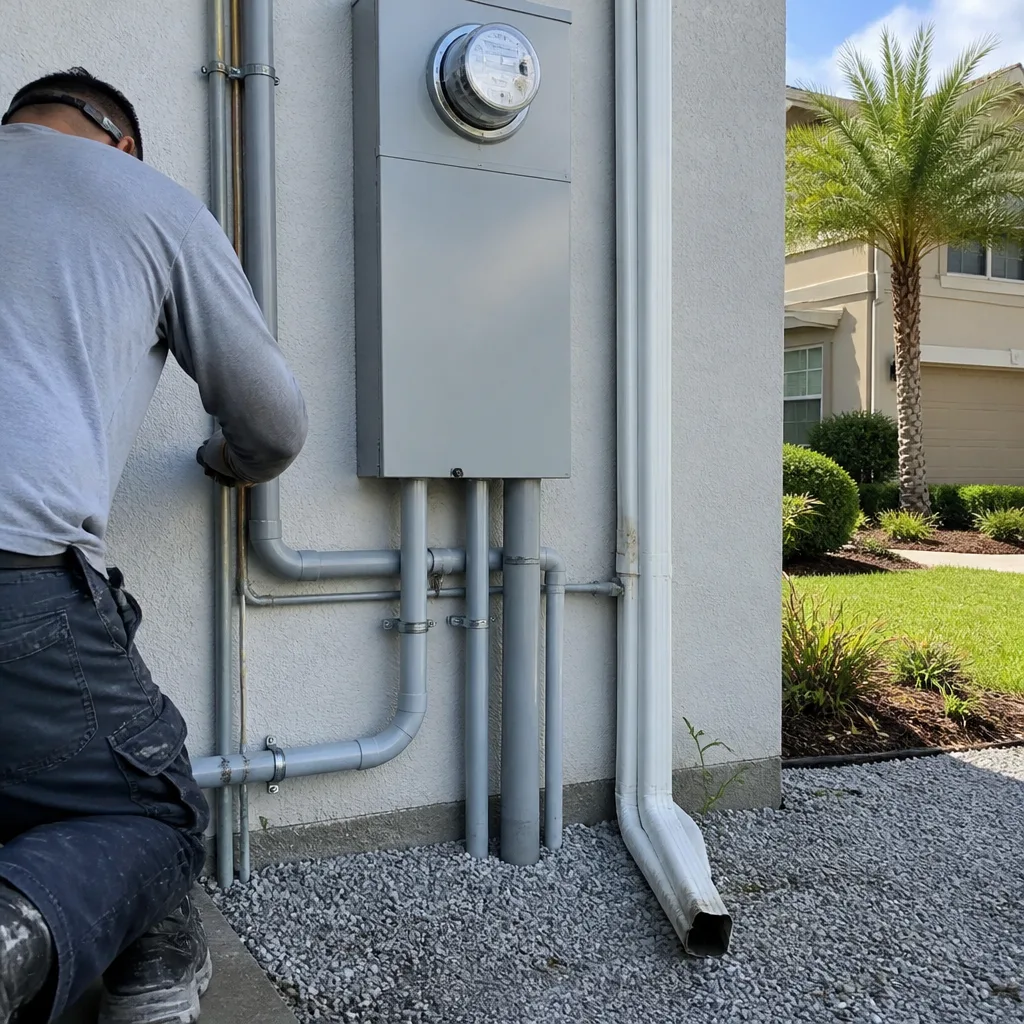 After
AfterReplacement Cost & What’s Included
In Orlando, Barrette-compatible roofing and trim repair generally lands between $400 and $1,800 installed. A single piece of fascia or a short run of drip edge is on the low end. Replacing all the aluminum fascia and soffit on a typical single-story ranch is where you approach the upper end of that range, and that’s still a fraction of a full roof replacement, which runs $8,000 – $20,000 in this market.
Here’s the honest breakdown of why the range exists. Material cost for Barrette parts is roughly $3 – $8 per linear foot depending on profile and gauge. Labor, ladder/safety setup, and disposal account for the rest. Multi-story homes cost more because of access. If the rotted wood behind the trim needs replacement, that’s additional framing labor. We give a written price before any work starts, and that number doesn’t change unless we open the wall and find damage we couldn’t see from the outside, which we’ll photograph and walk you through before touching anything. Every replacement carries our 365-Day Done Right Promise: if the part fails or the install shows a defect within a year, we come back and fix it, no invoice.
DIY or Call Us?
You can safely check your Barrette trim yourself: look for loose fasteners, visible gaps at the seams, or water staining. What you shouldn’t do is climb a ladder to a roofline to pull and replace trim yourself. This is where honesty matters. Aluminum trim replacement looks simple, but working at height with long, floppy metal pieces on a windy Florida afternoon is how homeowners end up in urgent care. The metal edges are sharp, the balance points on a ladder are unforgiving, and one wrong move sends you or the panel into the ground.
If you are comfortable on a ladder and have done this before, you already know what you need. If you’re not, call us at (850) 809-0306. We’ll send a background-checked technician in a marked vehicle, with a live arrival time, and a written quote before any work begins. Good work doesn’t need a speech, it just needs to hold up.
FAQs
Expect 15 to 25 years from Barrette aluminum trim in Central Florida, with the finish starting to chalk noticeably after 8 to 10 years. The aluminum itself rarely fails; it’s the fasteners, the wood backing, or the flashing that goes first, especially on homes within a few miles of the coast where salt air accelerates corrosion. Call (850) 809-0306 if you’re seeing signs of failure; we’ll tell you if it’s time to replace or if you have years left.
A bent or slightly pulled section can sometimes be re-seated and re-fastened if the metal isn’t kinked and the underlying wood is solid, but most damage we see in Orlando warrants replacing the piece. Matching the exact Barrette color is the real constraint, and that’s why we check the stamped profile code before quoting. Call (850) 809-0306 for a straight answer on what’s repairable.
A single fascia or drip-edge replacement typically takes two to four hours on site, including setup, removal of the old piece, and cleanup. A full fascia and soffit replacement on an average Orlando home runs one to two days depending on access and how much wood repair is needed. We’ll give you a written timeline with your estimate.
Our Orlando trucks carry common Barrette-compatible profiles in white, clay, and bronze, plus a selection of gauges for standard residential installs. Unusual colors or custom profiles may need a two to three day order, and we’ll tell you that before you commit to anything. Call (850) 809-0306 and we’ll check inventory while you’re on the phone.
Written by Luca Romano, Owner & Lead Contractor, Sawyer Remodel Orlando at Sawyer Remodel Orlando, serving Orlando and nearby areas.