Free written scope consultation - allowances, timeline, and change-order rules on paper before a single trade is scheduled
Master Halco Roofing: The Orlando Owner’s Guide
We stock and install Master Halco-compatible roofing parts across Orlando, with most replacements running $400 – $1,800 installed depending on what failed and how much decking or underlayment has to come with it. If you’re looking at a torn panel, a rusted-through fastener line, or flashing that’s pulling away from a Master Halco standing seam or exposed-fastener roof, we can usually match the part from our truck stock or have it in hand within a day or two. Most Orlando homeowners find out a Master Halco part failed the hard way: a water stain on the ceiling after an afternoon thunderstorm, a rattle during wind gusts, or a roofer from another company pointing at a section of roof and saying the word “corrosion.”
Master Halco builds roofing and fence products for Florida’s climate, but no panel or flashing survives forever in this humidity-and-UV combination. The good news is that a failed component doesn’t usually mean a full tear-off. We swap the bad part, re-seat the surrounding panels, and get you watertight again, often the same visit.
Which Master Halco Models This Applies To
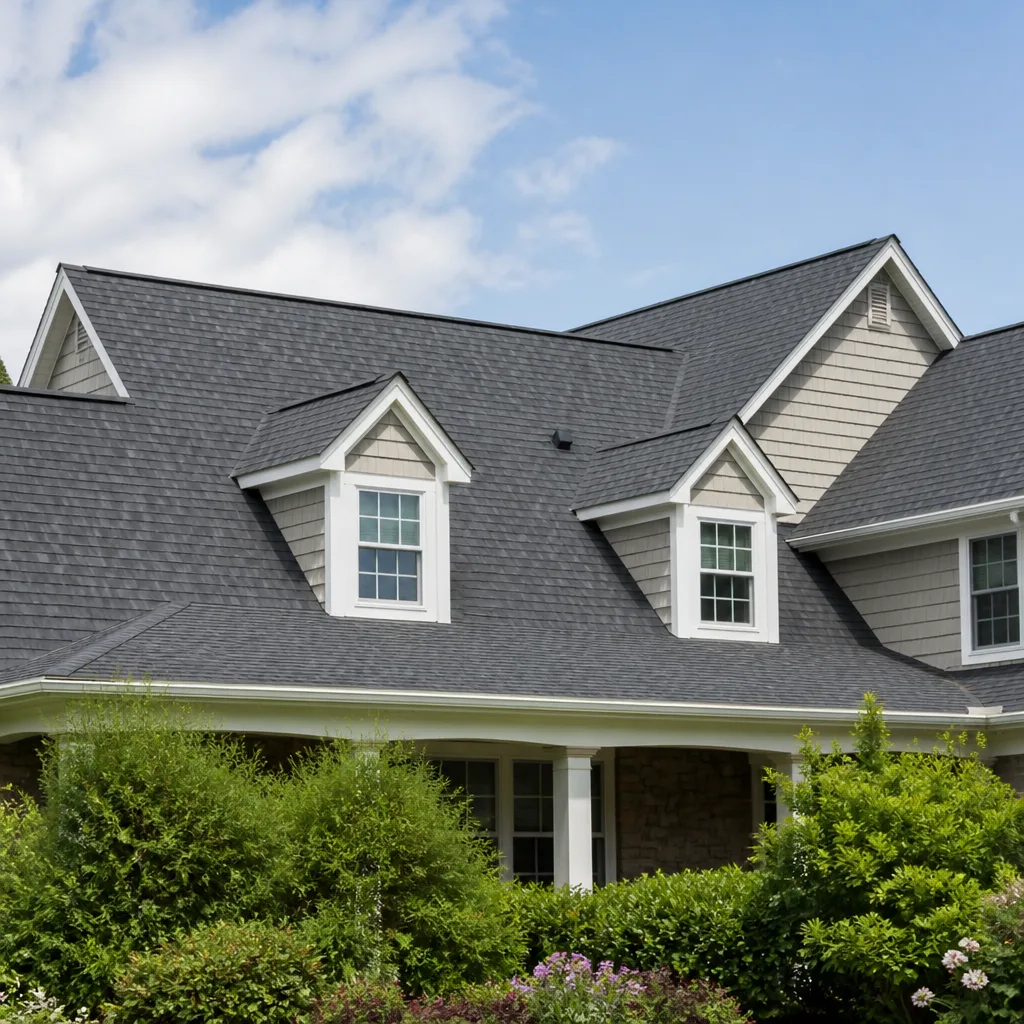
Master Halco’s roofing line covers three main product families we see across Orlando: their exposed-fastener metal panels and accessories (common on carports, patios, workshops, and some older residential roofs), standing seam systems with concealed clips, and their ridge, eave, and transition flashing components that tie the whole thing together. The parts that fail most often aren’t the big panels. They’re the closure strips, the screws with degrading neoprene washers, the ridge caps, and the transition flashings where a patio roof meets the house wall.
Here’s the compatibility gotcha most owners hit: Master Halco panel profiles are not all interchangeable. A part from one series will not seat correctly on a different rib profile, even if the gut reaction is that “metal is metal.” The panel’s rib height, rib spacing, and the width of the flat between ribs have to match, or you get a roof that looks fine from the ground and leaks at the first real Orlando downpour. The surest way to identify what you have is to check for a stamp or label on the underside of a panel near the eave, or measure the rib height and spacing yourself. If you can’t get underneath safely, we’ll identify it during the estimate visit. When it comes to OEM Master Halco parts versus quality aftermarket equivalents, we default to OEM-compatible profiles for any visible panel or trim piece because the color match and profile geometry matter. For concealed components like clips and closures, a quality aftermarket equivalent from a known metal roofing supplier is often functionally identical and saves you money. We’ll tell you which is which before we order anything.
Styles & brands we work with
Signs Your Master Halco Roofing Is Failing
- Water stains on the ceiling or wall after a rain, but not every rain. This usually means a failed closure strip or a pulled flashing, not a full roof failure. Water only gets in when the wind drives rain at a specific angle, which is half of Orlando’s summer storms.
- Rust streaks running down from fastener heads or panel edges. The neoprene washer under the screw has hardened and cracked, or the galvanized coating on a cut edge has worn through. Once that starts, the panel is compromised and the fix is replacement, not paint.
- A rattling or flapping sound during wind gusts. Fasteners have backed out or the panel has stretched around them. Ignoring this in hurricane season isn’t a gamble worth taking, because a loose panel becomes a projectile.
- Gaps opening between panels at the overlap or at the ridge, visible from the ground or a ladder. Thermal expansion and contraction, repeated thousands of times in Orlando’s heat cycles, eventually moves things. The metal itself didn’t fail; the fastening pattern did.
- White chalky residue washing off the roof or showing on the panels. This is a coating degradation pattern common on older painted metal roofs in high-UV Florida environments. The metal may still be structurally sound for now, but it’s a sign that the protective finish is giving up and rust isn’t far behind.
See the difference
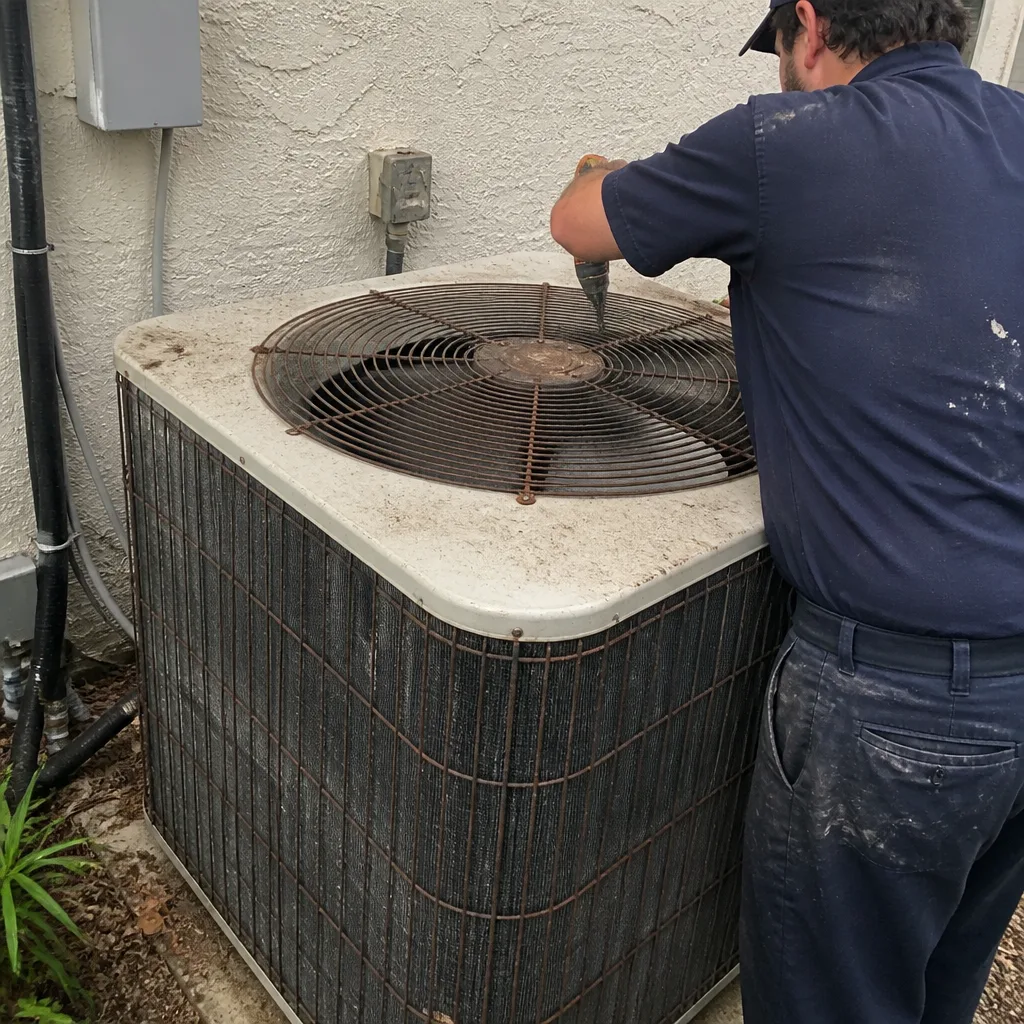 Before
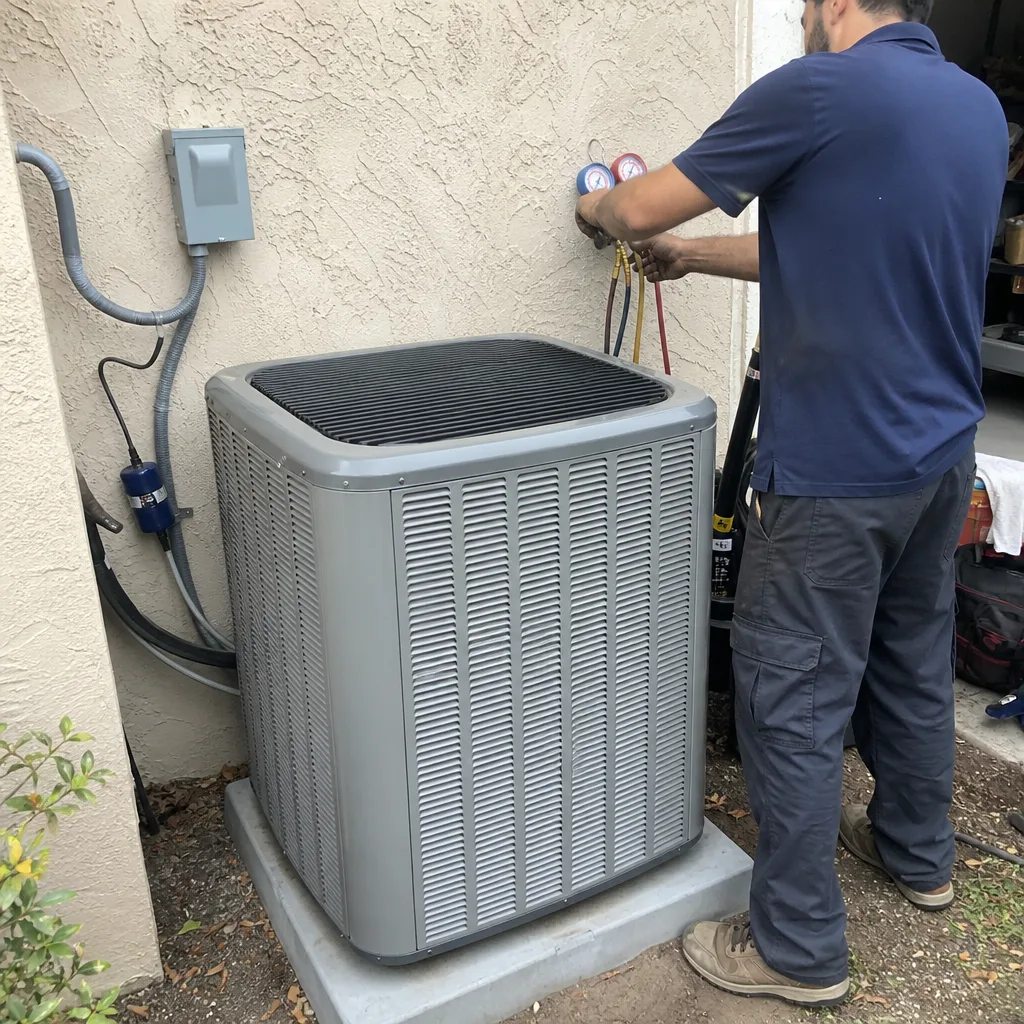 After
After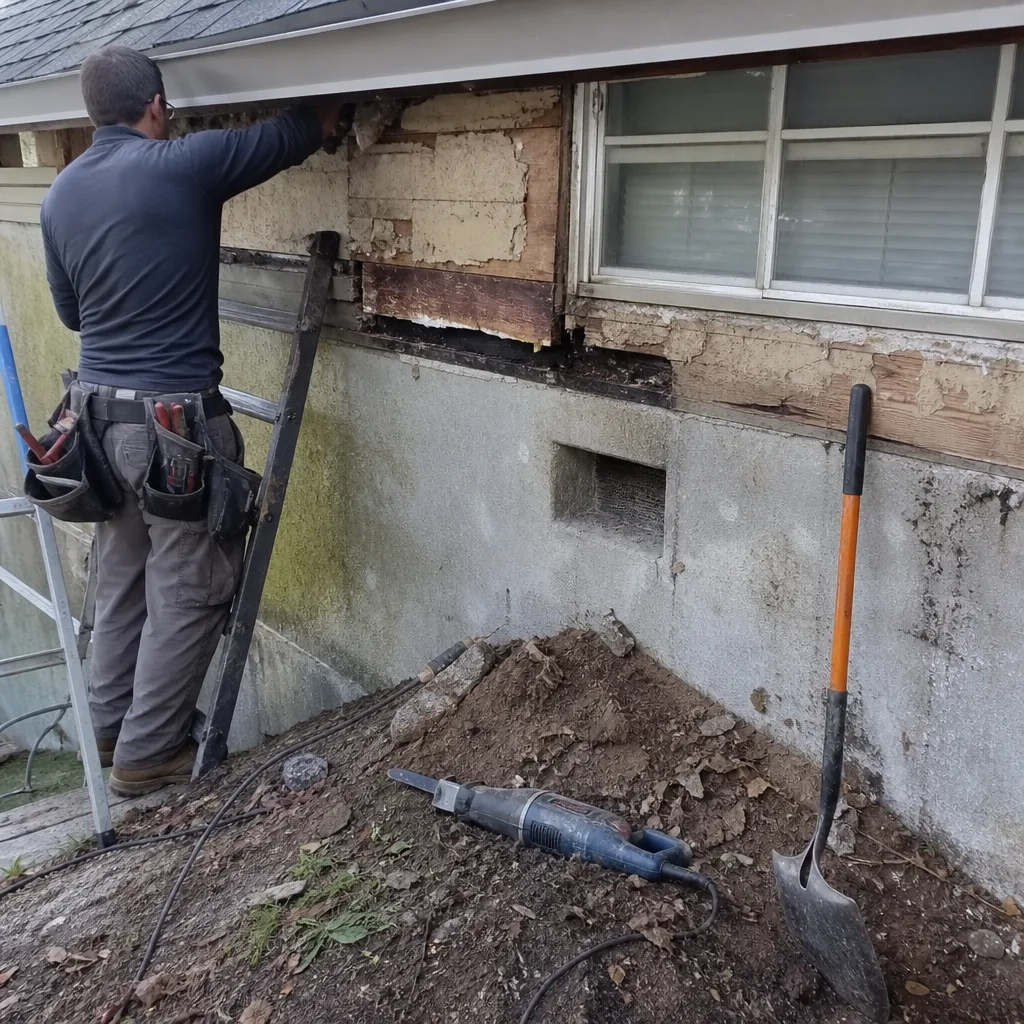 Before
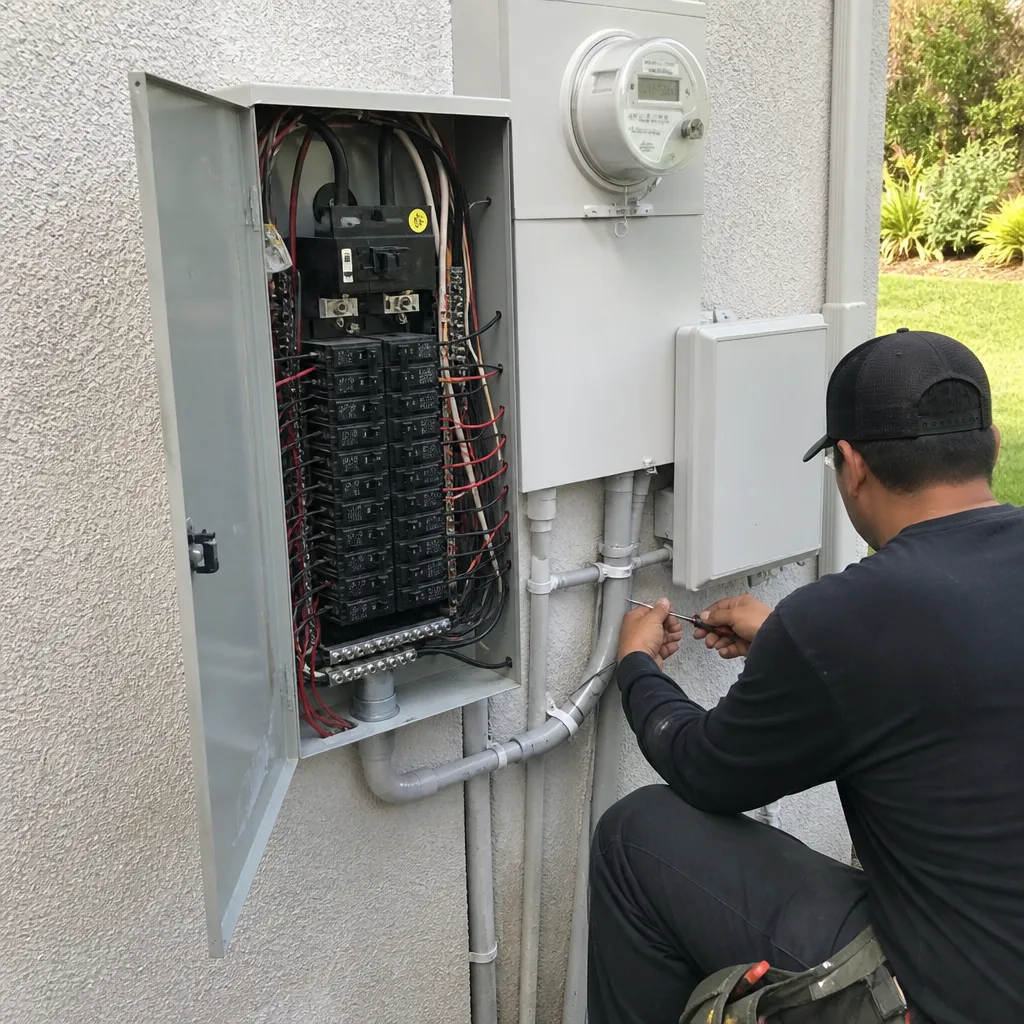 After
After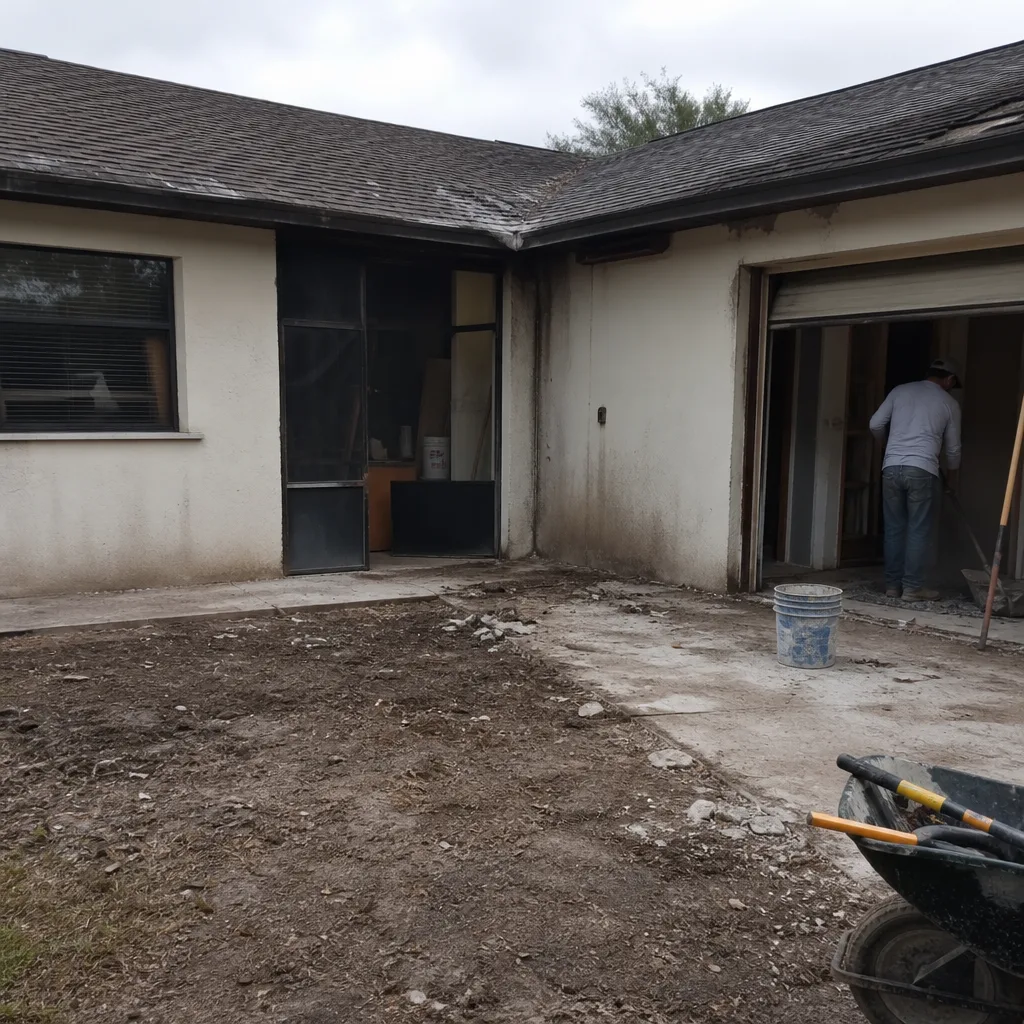 Before
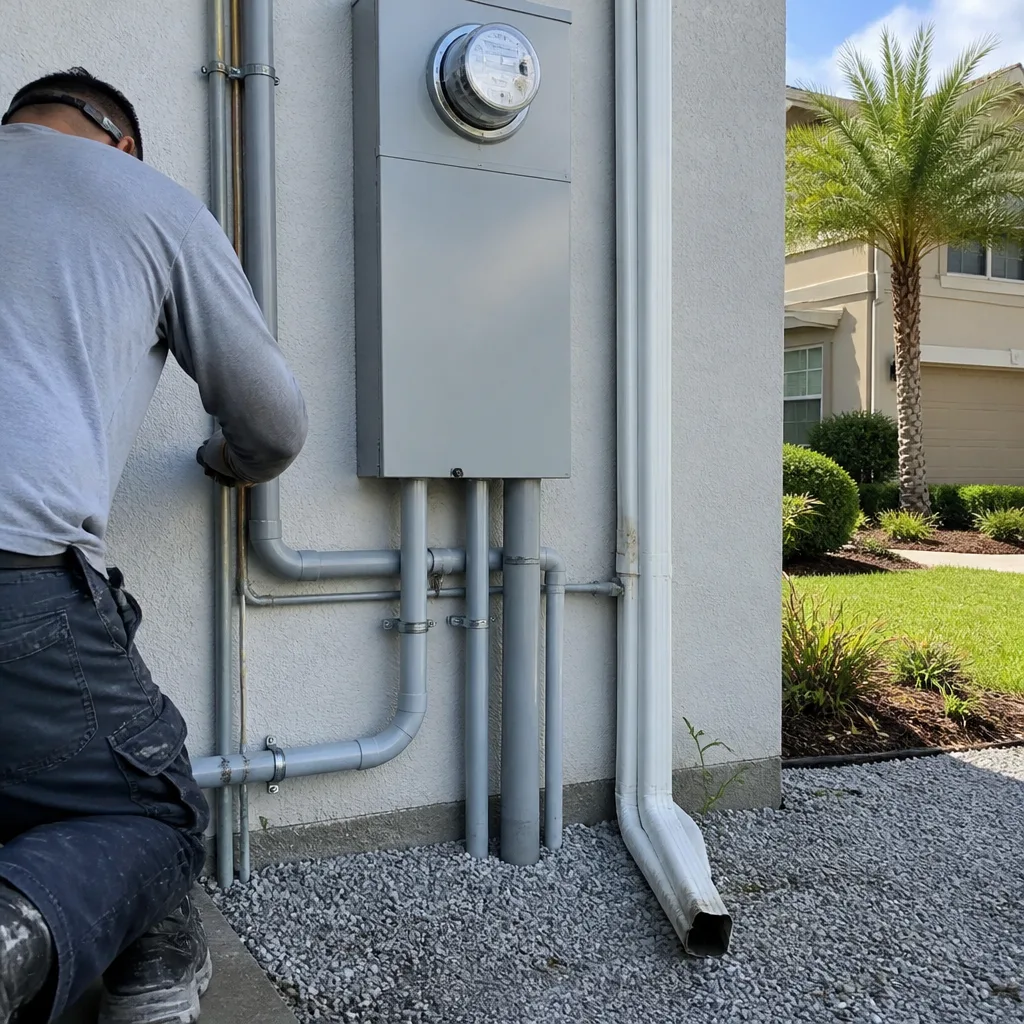 After
AfterReplacement Cost & What’s Included
Replacing a Master Halco roofing component in Orlando typically runs $400 – $1,800 installed, depending on what failed and how accessible it is. A single rusted or damaged panel replacement on a patio roof or carport usually falls in the $400 – $900 range. Replacing a failed ridge cap or re-flashing a transition where the roof meets the house wall lands around $600 – $1,400. Full re-screwing of an exposed-fastener roof with new washers and fasteners runs $1,200 – $1,800 depending on square footage.
What that price includes: the part itself, the labor to remove and replace, new fasteners and closures where needed, disposal of the old material, and a written line-item quote before any work starts so the number you approve is the number you pay. Every Master Halco parts replacement we install carries our 365-Day Done Right Promise in writing: if it’s not done right, we make it right. No argument, no invoice for the second visit.
DIY or Call Us?
There’s a narrow slice of this work that an owner can do safely: clearing debris from valleys and gutters, inspecting from the ground with binoculars, and checking for visible rust streaks or lifted panels. That’s it. Walking on any metal roof, especially a Master Halco exposed-fastener system that’s already showing signs of failure, puts you on a surface where a loose panel, a slick spot after morning dew, or a rusted-through section can drop you without warning. We’ve repaired roofs where the previous owner found this out the hard way, and the roof wasn’t the only thing that needed fixing.
Luca Romano will tell you the same thing: good work doesn’t need a speech, it just needs to hold up. Replacing a Master Halco panel or flashing correctly means matching the profile, sealing the overlaps properly, and torquing fasteners so they don’t back out in three months. If you’re standing on a ladder with a screw gun and a part you bought from a photo, that’s not where we’d want you. Call us at (850) 809-0306 and we’ll get eyes on it.
FAQs
A properly installed Master Halco metal roof in Orlando should last 30 – 40 years as a system, but expect to replace fasteners, washers, and closure strips at the 10 – 15 year mark because Orlando’s UV and humidity punish the rubber and neoprene components long before the steel fails. Call (850) 809-0306 for an assessment of where your roof is in that cycle.
No. A rusted-through or bent Master Halco panel cannot be patched in a way that holds up in Florida weather, so we replace the panel and any affected closures or fasteners. For small issues like a backed-out screw with an intact washer, a fastener replacement can buy you time, but the panel itself gets swapped once the metal is compromised. Call (850) 809-0306 and we’ll tell you which situation you’re in.
Most single-panel or flashing replacements finish the same day, usually in 2 – 4 hours, including cleanup and a final fastener check on the surrounding area. Larger re-screwing jobs or multiple-panel swaps can run a full day. Call (850) 809-0306 for a time estimate on your specific repair.
Yes, we keep common Master Halco-compatible panels, closures, fasteners, and flashing profiles on the truck and can source specific profile matches from our Orlando-area suppliers within a day or two when needed. If we don’t have your exact profile in stock, you’ll know before we start, not after we’ve opened up the roof.
Written by Luca Romano, Owner & Lead Contractor, Sawyer Remodel Orlando at Sawyer Remodel Orlando, serving Orlando and nearby areas.