Free written scope consultation - allowances, timeline, and change-order rules on paper before a single trade is scheduled
James Hardie Fence Installation: The Orlando Owner’s Guide
James Hardie fence installation in Orlando typically runs $3,500 to $9,000 fully installed, depending on linear footage, existing fence removal, and whether you’re using HardiePlank lap siding or HardiePanel vertical sheets as the fence surface. We stock the common James Hardie profiles on our trucks and can usually start within a week. Most homeowners discover they need this work when a hurricane-season storm finally rips loose a section that was already compromised by Central Florida’s humidity, or when termites found the old wood fence and left the posts looking like Swiss cheese.
Here’s the thing about James Hardie on a fence: it’s fiber cement, not wood. That changes everything about how the fence gets framed. You need a beefier post and rail structure because fiber cement weighs roughly 2.5 pounds per square foot compared to cedar at around 1.2. Skip that step and the posts sag within two years. We’ve pulled out plenty of failed DIY James Hardie fences in Orlando where someone hung HardiePlank on a standard pressure-treated frame built for wood. The boards held up fine. The frame underneath gave out.
Which James Hardie Models This Applies To
We install and work with the two James Hardie products actually rated for vertical fence application here in Florida: HardiePlank lap siding (5/16″ thickness, typically 7-1/4″ exposure) and HardiePanel vertical siding (4’x8′ or 4’x10′ sheets, 5/16″ thick). The HardiePlank route gives you that traditional board-on-board or horizontal lap fence look. HardiePanel gives you a cleaner, more modern flat-panel privacy fence, and honestly, it goes up faster and has fewer seams for water to get behind.
One compatibility gotcha: do not use HardieBacker board or HardieSoffit on a fence. HardieBacker is a tile underlayment and it will absorb moisture and crumble when exposed to Orlando’s daily afternoon rain. HardieSoffit is too thin, only 1/4″, and won’t survive a wind gust. We’ve seen both tried. Not pretty. If you’re matching an existing fence, check the back of any intact board for the stamped product code: HardiePlank shows “HZ5” or “HZ10” (the HZ10 is the one rated for Florida’s high wind zones). HardiePanel stamps “HZ10” as well. If your boards don’t show a code, they’re likely an off-brand fiber cement or a discontinued Hardie profile, and we’ll match the closest current product rather than hunt for dead stock.
On the OEM versus aftermarket question: James Hardie does not make fence posts, rails, gate hardware, or fasteners. The boards are the product. Everything else is specified by the installer. That’s where the quality of the job actually lives. We frame with pressure-treated 4×4 or 6×6 posts set in concrete (6×6 on gates and corners), use stainless or hot-dipped galvanized fasteners rated for fiber cement, and run a corrosion-resistant H-channel between panels. Hardware from the big box stores lasts three years in Florida humidity before the powder coat fails. We don’t use it.
We also stock and install for other brands we carry: KraftMaid, Cambria, and Silestone. Those don’t apply to fencing, but if this project leads to the kitchen or bath, we’re already set up.
Styles & brands we work with
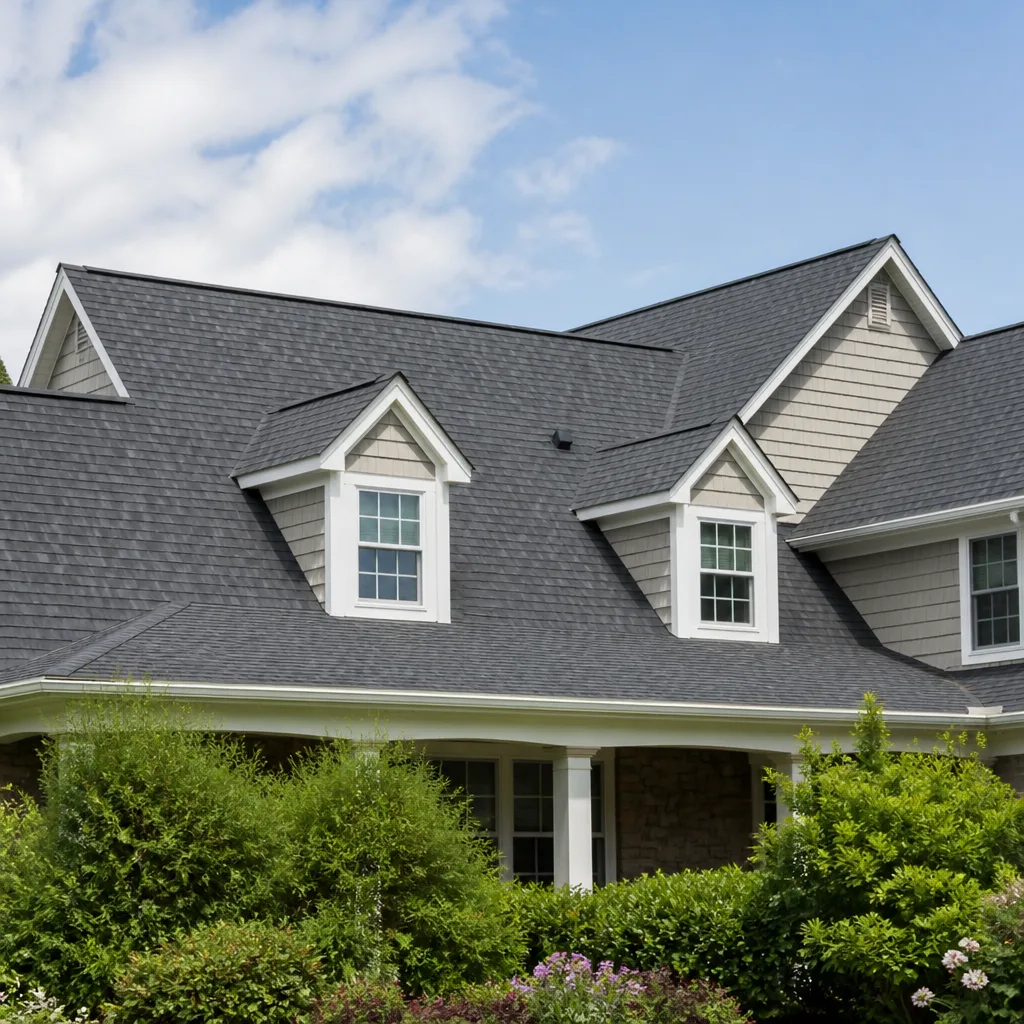
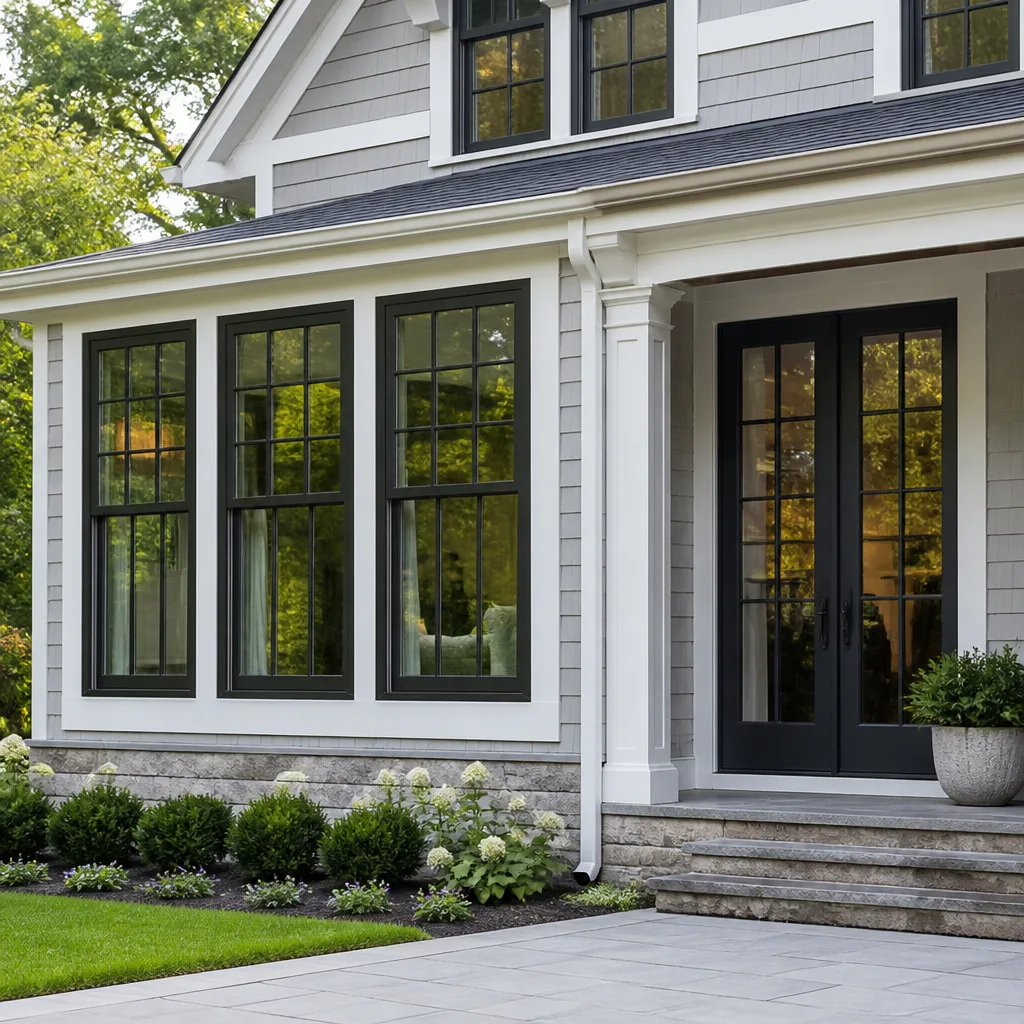
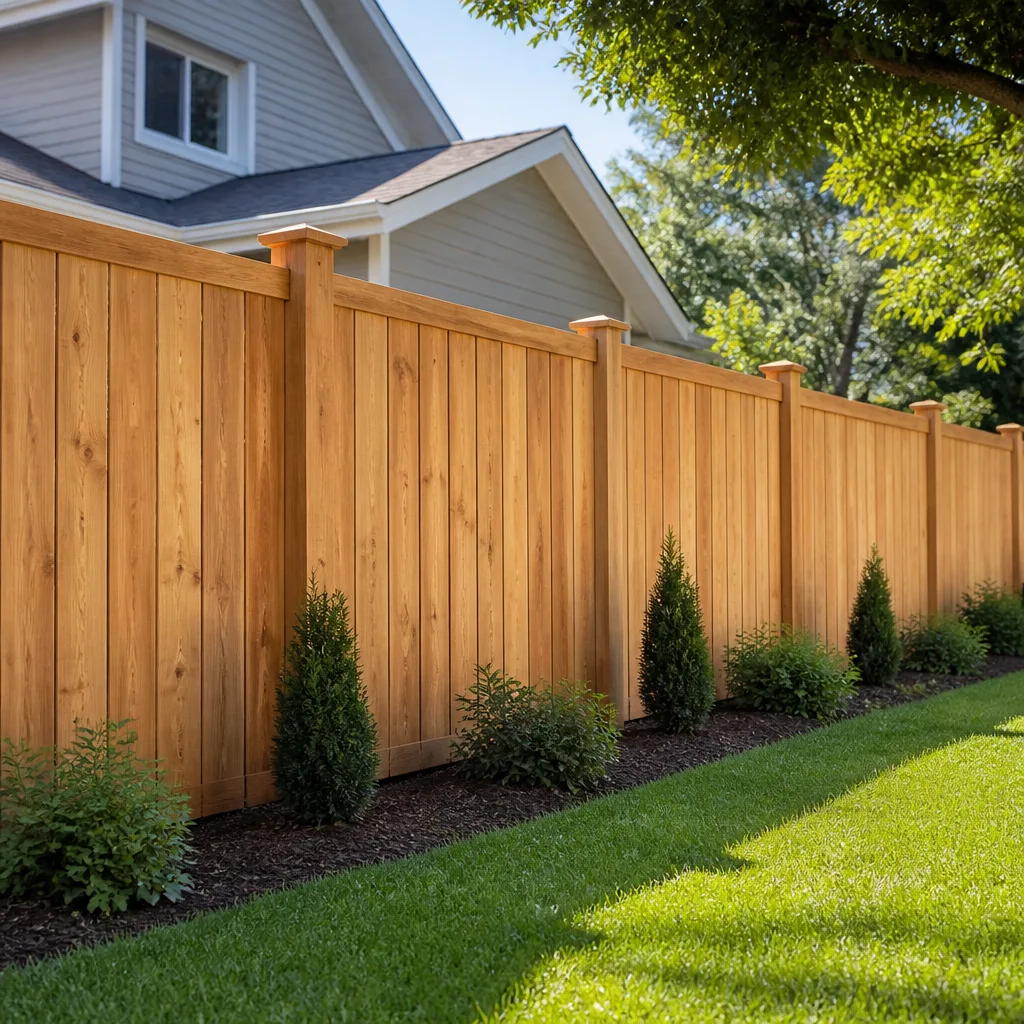
Signs Your James Hardie Fence Installation Is Failing
- Posts leaning at the base. Nine times out of ten this is a post that wasn’t set deep enough or wasn’t in enough concrete. In Orlando’s sandy soil, a fence post should go 30 to 36 inches deep, and gates should hit 36 minimum. A leaning post means the underground portion is rotting or the concrete collar was too small for the weight of fiber cement.
- Boards cracking at the fastener line. Fiber cement doesn’t flex like wood. If someone installed it with a nail gun set too hard or used standard wood screws without pre-drilling, you’ll see hairline cracks running from the fastener heads. Those cracks widen every time Central Florida gets a windy afternoon, and the board eventually splits right off the rail.
- Gates dragging or not latching. Fiber cement on a gate is a lot of weight. A standard 2×4 wood gate frame twists under it within a season or two. If the gate scrapes the ground now, the frame is done even if the boards look perfect.
- Visible rust streaks below fasteners. This means someone used interior-grade or electro-galvanized screws. The rust stains the paint, and once the fastener head corrodes enough, it snaps under load. On a James Hardie fence, rust marks are a warning light, not a cosmetic issue.
- Boards pulling away from the rails. If you can see daylight between the back of the board and the rail face, the fasteners are backing out. Fiber cement doesn’t grip fasteners like wood does, so once they start walking out, they don’t stop. This shows up most often on west-facing fence lines that get the full brunt of a Florida summer afternoon sun cycle.
See the difference
 Before
 After
After Before
 After
After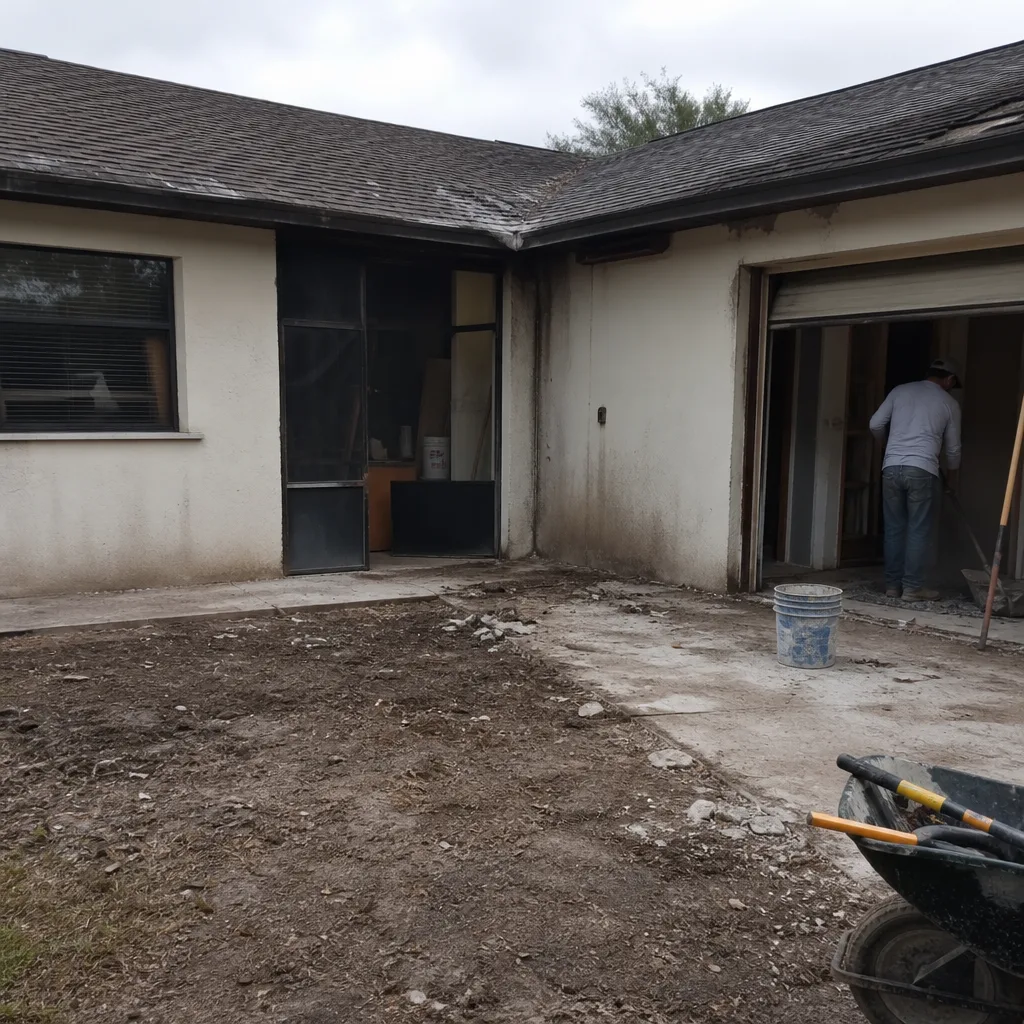 Before
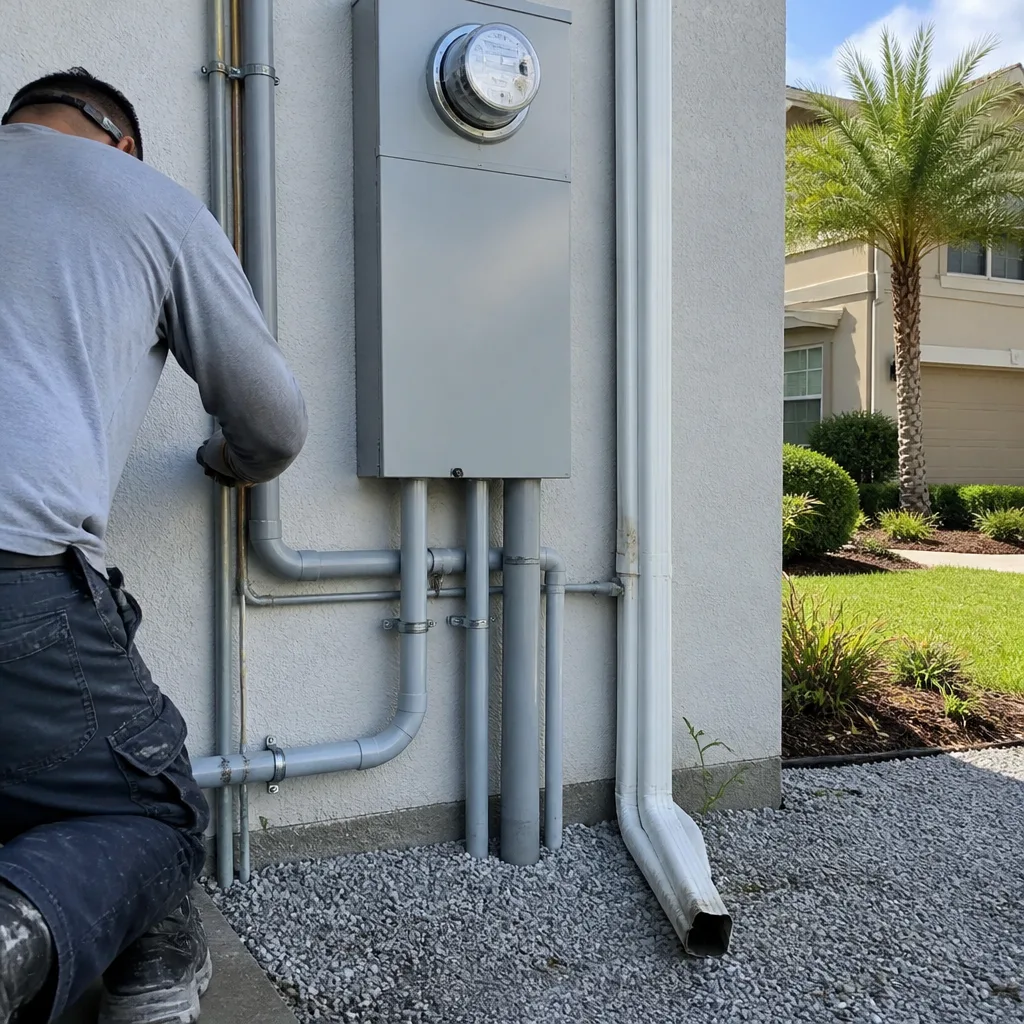 After
AfterReplacement Cost & What’s Included
In Orlando, expect to pay $3,500 to $9,000 for a full James Hardie fence installation, with most residential jobs landing between $4,800 and $7,200. Here’s what drives that range:
- Linear footage: A 50-foot side yard is a much different number than a 200-foot property line. Most Orlando lots with full backyard privacy fencing run 120 to 180 linear feet.
- Demo of the old fence: If a rotted wood fence has to come out and be hauled off, that’s labor and dump fees. Figure $400 to $900 depending on footage and access.
- Post depth and concrete: We set posts 30 to 36 inches deep in Orlando’s sandy soil. No shortcuts. Every post gets a concrete collar sized for fiber cement weight. This is the single biggest “cheap fence quote” difference we see. You can’t see it after the fact, but your fence feels it every August wind storm.
- Gate count: Each gate adds $500 to $1,200 depending on width. Gates get 6×6 posts and reinforced frames, which is the only way a fiber cement gate stays square.
- Seam and paint finishing: James Hardie boards come primed or factory-painted. If we’re paint-matching to your house, that’s an extra line item we quote up front. No surprises.
Your written quote includes parts, labor, demo and haul-off, concrete, all fasteners, and a line-item breakdown so you see exactly where the money goes. Every installation carries our full workmanship warranty in writing. If something we installed fails within 365 days, we come back and make it right. No negotiation, no “that’s just weather.” That’s the 365-Day Done Right Promise, and it’s on every fence job we do in Orlando.
DIY or Call Us?
You can inspect the fence safely without getting hurt. Walk the line, check posts for lean, look at fastener heads for rust, and see if boards are cracking at the screw lines. Writing down what you find makes the estimate call faster. What you should not do is try to remove and re-hang full 4×8 HardiePanel sheets by yourself. Those panels run about 100 pounds each, and when one catches a gust before it’s fastened, it’s a sail with sharp corners. We’ve fixed more than one homeowner’s broken gate frame where someone tried to re-hang a fiber cement panel with drywall screws and a prayer.
Framing for James Hardie fence installation in Orlando is not a weekend project for most people. It’s heavy material, deep concrete work, and fastener specifications that matter. If you’re thinking about it anyway, at least call us first so we can walk you through what you’re looking at. A phone call to (850) 809-0306 costs nothing and might save you from buying a pile of fiber cement you can’t safely move.
FAQs
A properly framed James Hardie fence in Orlando lasts 25 to 30 years on the fiber cement itself, but the wood posts and frame behind it will need replacement every 15 to 20 years in our climate unless we use pressure-treated or concrete-set materials rated for ground contact. The boards may outlive the structure, which is why the framing spec matters more than the siding. Call (850) 809-0306 and we’ll give you an honest read on what you have.
In many Orlando cases we can repair a single section or re-set posts rather than replace the whole fence line, as long as the fiber cement boards themselves are still intact and not cracked at the fastener holes. If the boards are split or the original framing was undersized, spot repairs turn into a game of whack-a-mole. Call (850) 809-0306 and we’ll tell you which situation you’re in before you spend a dollar.
A typical Orlando residential James Hardie fence installation takes 3 to 5 working days from demo to final walkthrough, depending on linear footage and how many gates are involved. That includes concrete curing time for the posts before we hang the fiber cement. We’ll give you the schedule in writing before work starts.
We stock the common James Hardie fence profiles and all supporting materials on our trucks, so you don’t have to coordinate a thing. If your existing fence uses a product we don’t carry, we’ll source it and confirm the lead time in your written quote before any work begins. Call (850) 809-0306 for a free estimate.
If your James Hardie fence is leaning, cracked, or just tired, don’t wait until the next storm decides for you. Call (850) 809-0306 and we’ll put the price in writing before a single tool leaves the truck. That’s how we’ve done it since 2005, and it’s how Luca runs every fence job in Orlando: live arrival time, photo updates, and a written line-item quote. Good work doesn’t need a speech – it just needs to hold up.
Written by Luca Romano, Owner & Lead Contractor, Sawyer Remodel Orlando at Sawyer Remodel Orlando, serving Orlando and nearby areas.