Free written scope consultation - allowances, timeline, and change-order rules on paper before a single trade is scheduled
CWS Home Additions & ADU: The Orlando Owner’s Guide
If your CWS home addition or ADU has hit a structural or systems failure, we can match the exact replacement components and get the work done right. In Orlando, a full home addition typically runs $45,000 to $130,000, and an ADU construction project lands between $90,000 and $220,000 depending on square footage, foundation work, and finish level. Most owners discover a failing part the hard way: a hairline crack running along the drywall seam, a door that suddenly won’t latch, or a mini-split that freezes up in the middle of an Orlando summer. The good news is that when we diagnose the failed component early, the fix is usually measured in hundreds or low thousands, not tens of thousands.
Key Takeaways:
- We stock and install CWS-compatible structural, electrical, and HVAC components for additions and ADUs throughout Orlando.
- Most failing parts are caught during seasonal transitions, especially the humidity swings between spring and summer.
- Written line-item pricing before any work starts is standard on every job.
- This is not a job for guesswork. A wrong spec on a load-bearing connector or electrical run creates problems far bigger than the original failure.
Which CWS Models This Applies To
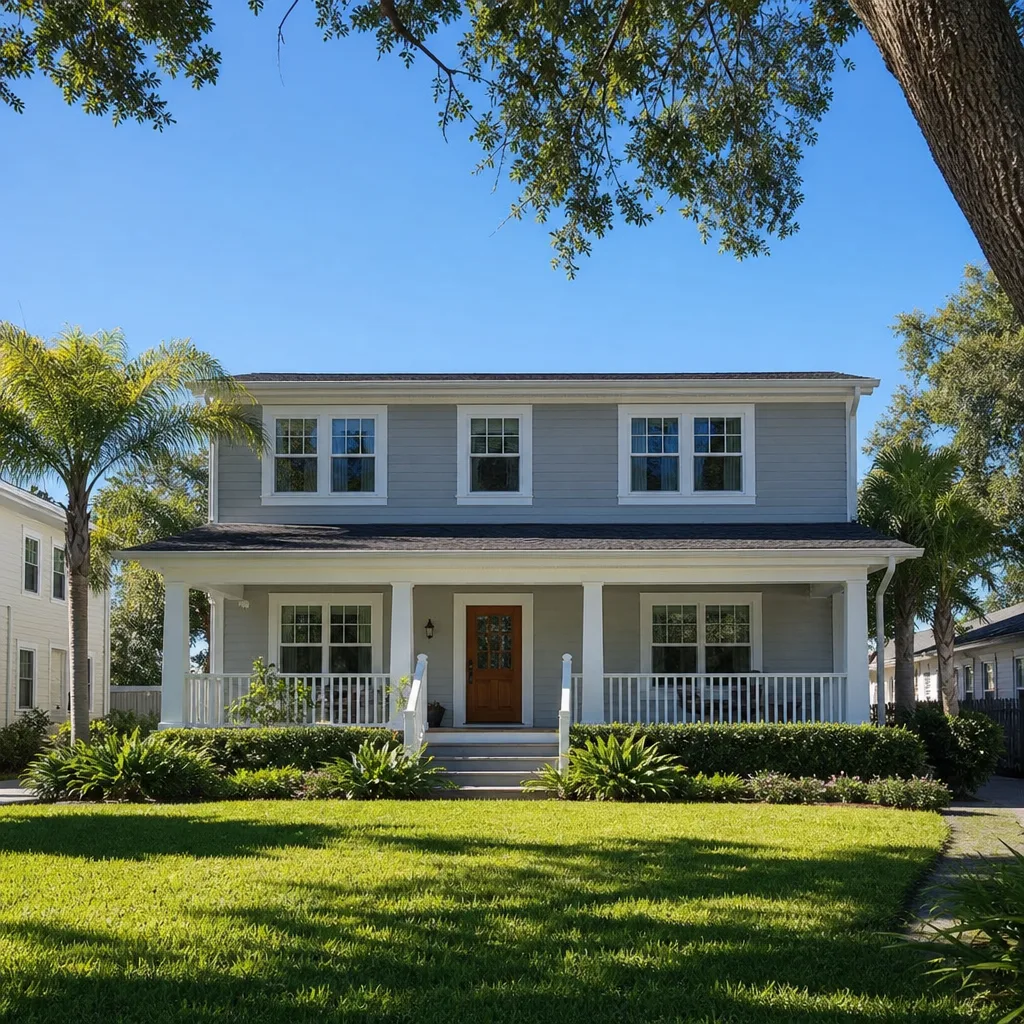
CWS home additions and ADUs share a modular framing and connection system, and the failure points are surprisingly consistent across the product line. The parts that fail first are the ones carrying the most load: header brackets, sill plate anchors, and the weather barrier transitions where the addition ties into the original structure. The key identification detail is the spec label printed on the interior face of the wall panel or the underside of the joist hangers. Match that spec number to the original build documentation from CWS if you still have it. If you don’t, we can read the stamping on the failed component itself.
OEM CWS parts are the cleanest match for anything structural, and we spec them for load-bearing applications every time. For non-structural items like interior trim clips, insulation baffles, or vapor barrier tape, quality aftermarket equivalents at half the cost often outperform the originals, especially in Florida humidity. One compatibility gotcha to know: CWS wall panel connectors changed in 2019, and the newer Series 4 bracket does not seat correctly into the older Series 3 wall channel. If you’ve got a pre-2019 addition, we’ll match the legacy part rather than forcing a retrofit that looks fine for six months and then fails. Another Florida-specific reality: the factory-installed sill gaskets on CWS additions are rated for ten years of sun exposure, but in Orlando’s UV load that typically translates to six or seven before the material starts degrading and letting moisture wick into the bottom plate.
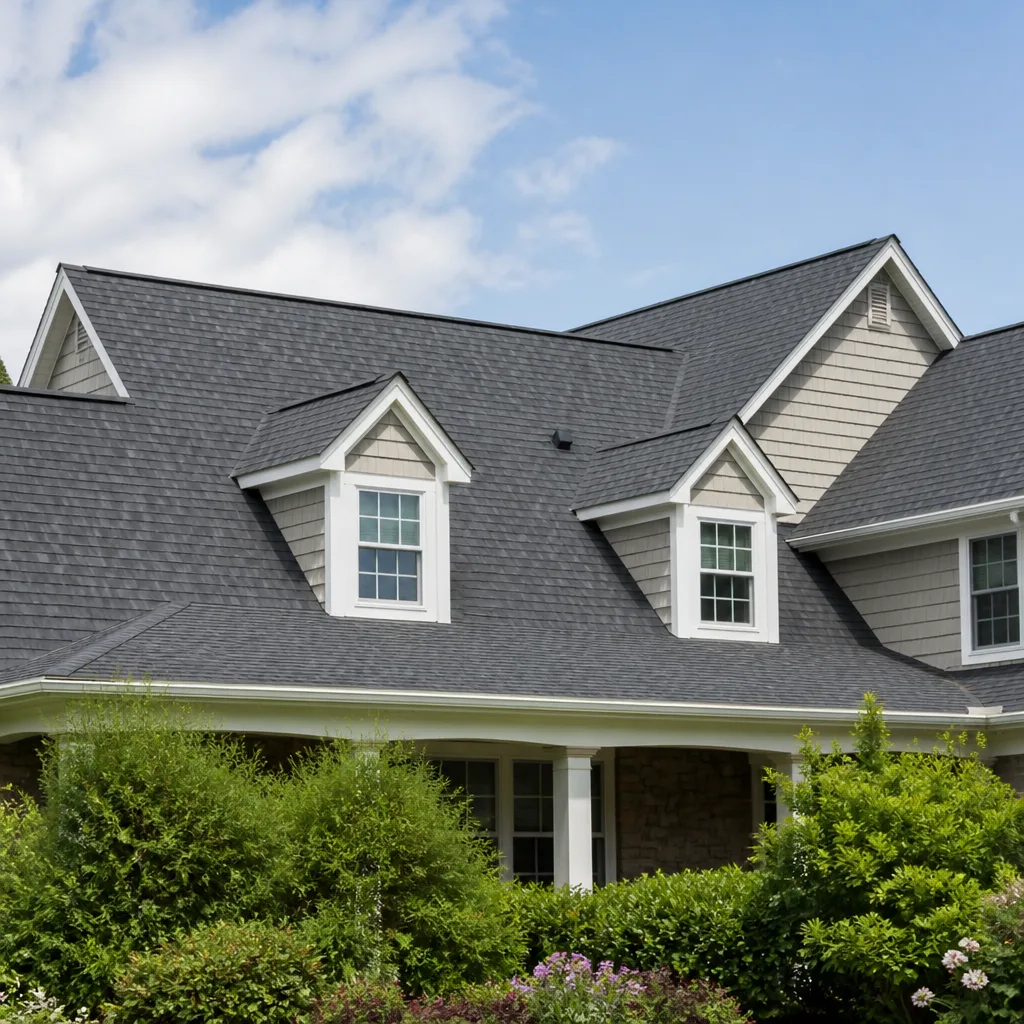
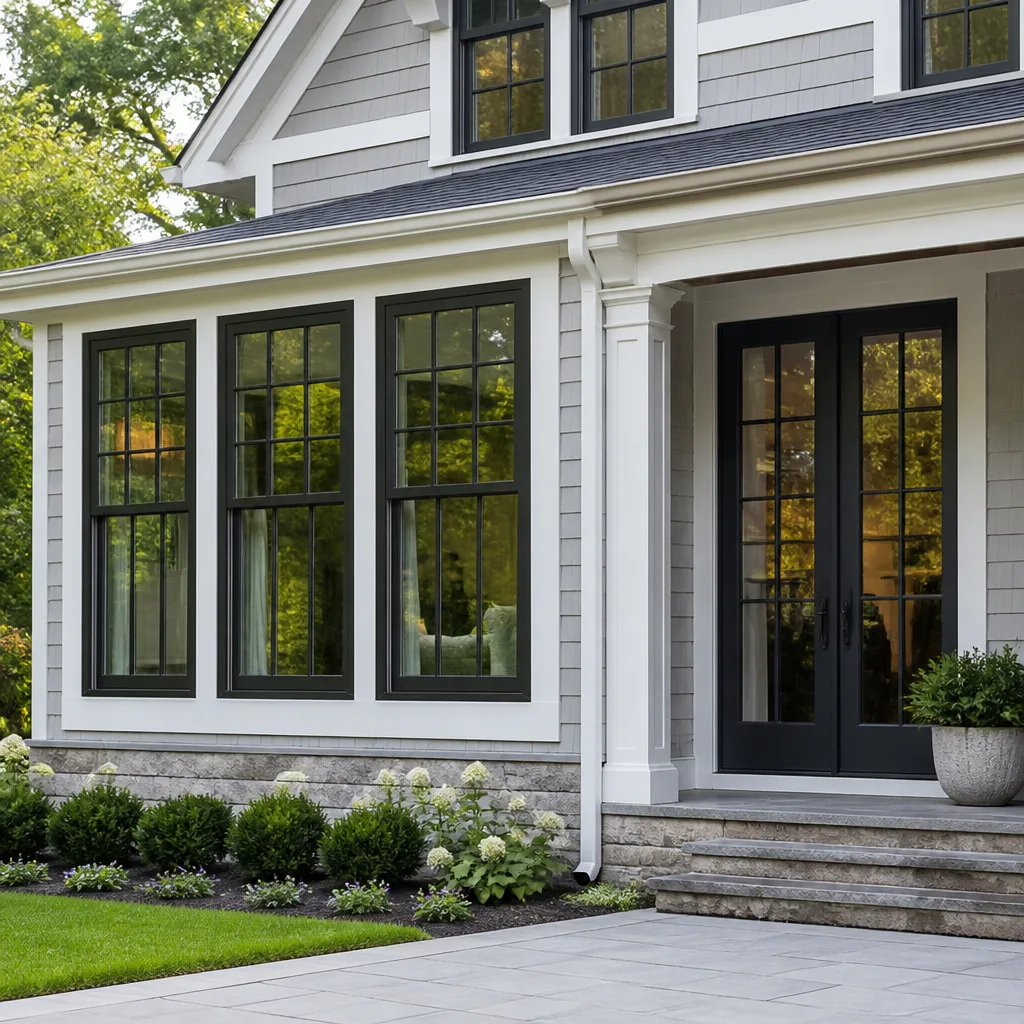
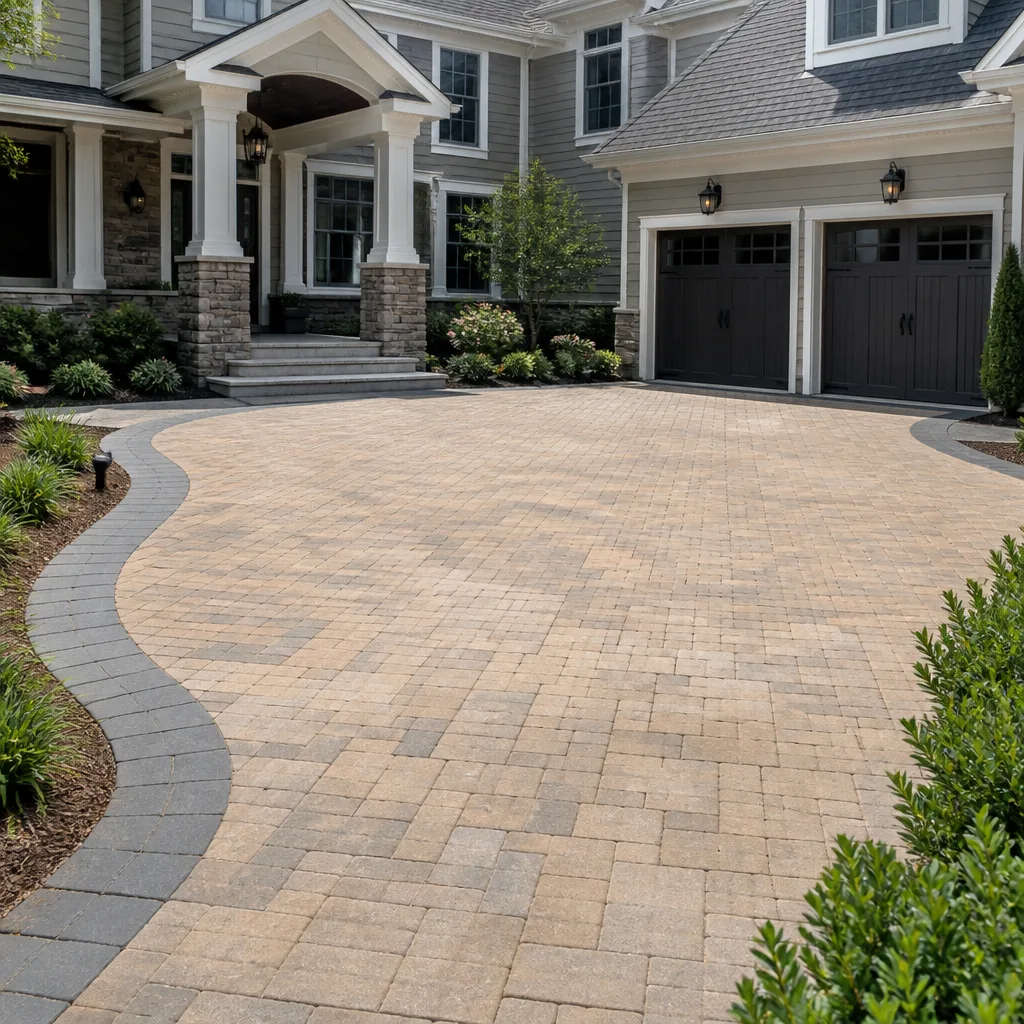
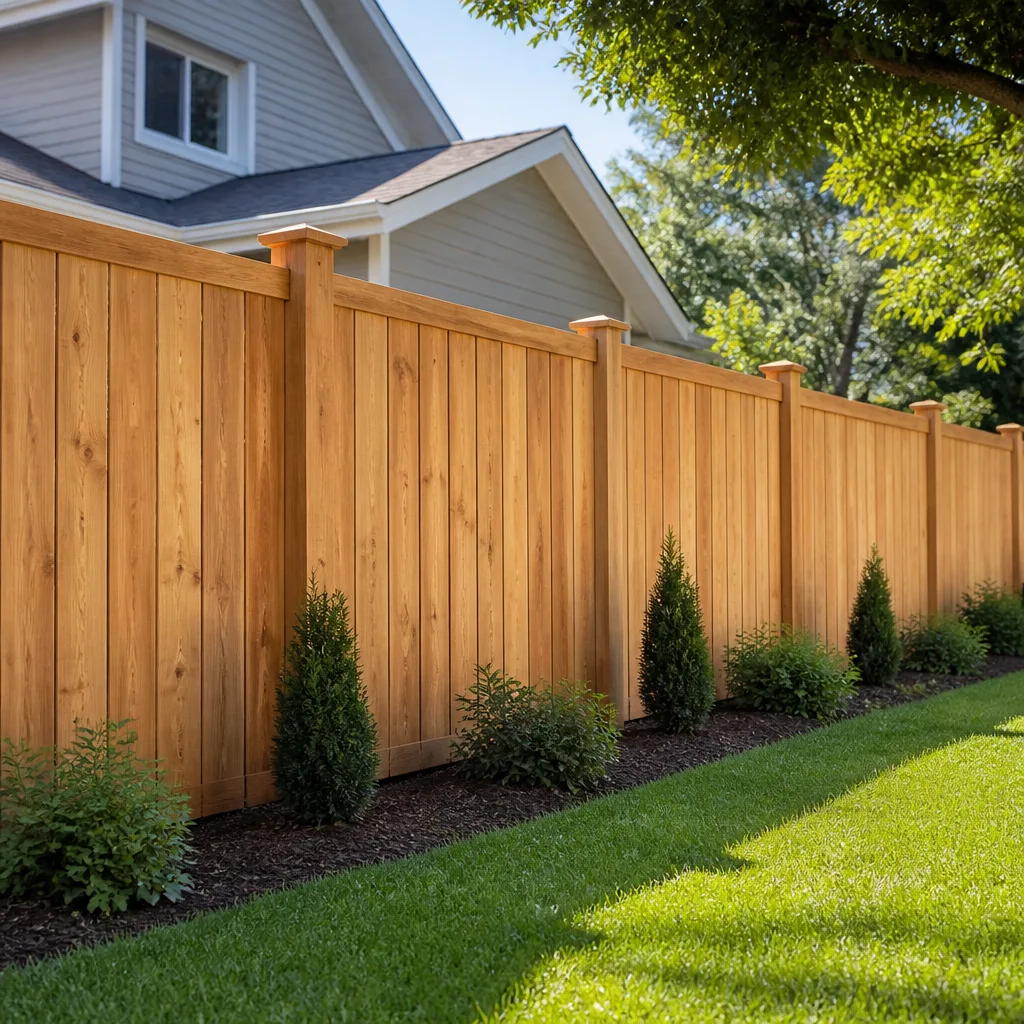
Styles & brands we work with
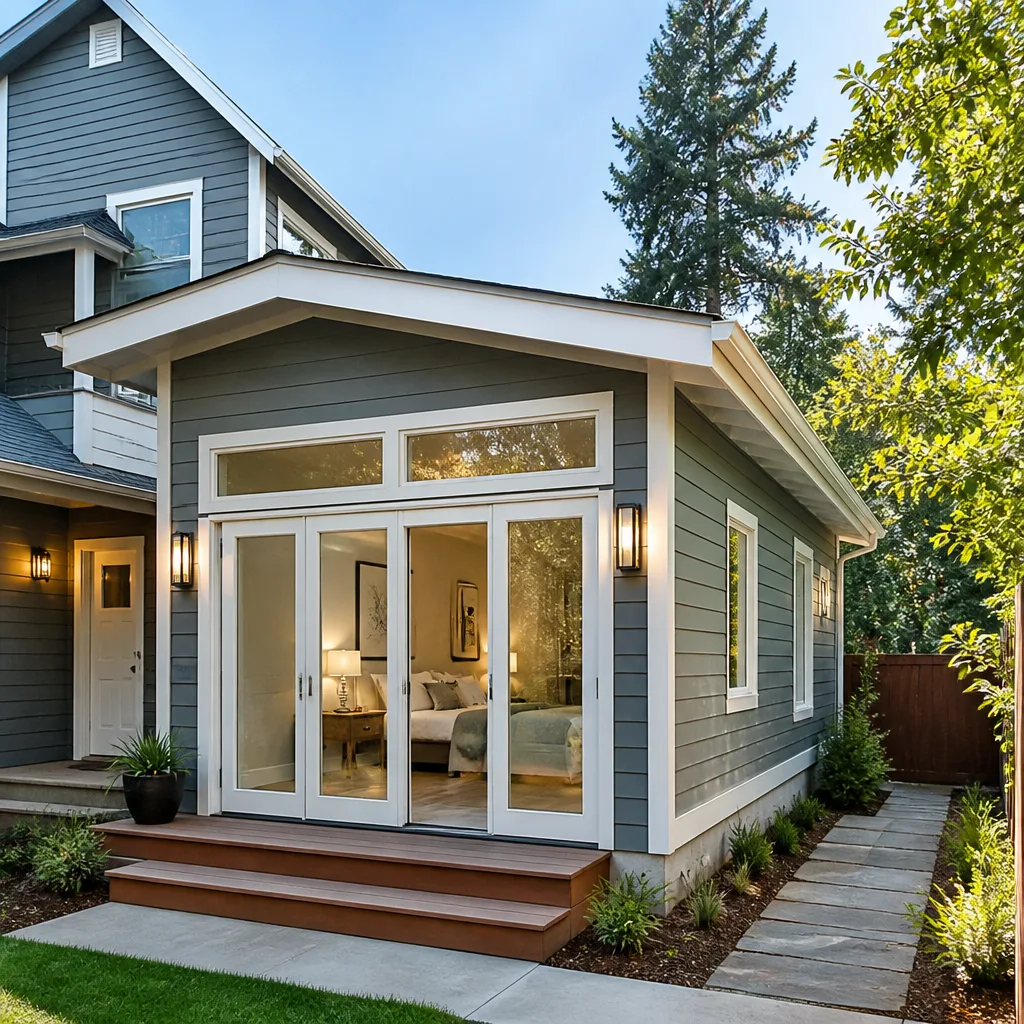
Signs Your CWS Home Addition or ADU Is Failing
- Sticking doors or windows in the addition. This usually means the floor joists or the beam pocket have shifted slightly. On CWS additions, the tell-tale is a door that binds only in the afternoon when the sun has been on that wall for a few hours.
- A musty smell that doesn’t go away after rain. Nine times out of ten in Orlando, that’s a sill gasket or weather barrier degradation letting moisture into the bottom plate. If you catch it before the plate rots, the repair is simple and cheap.
- Visible hairline cracks where the addition meets the main house. Some settling is normal in the first year, especially in sandy Central Florida soils. But a crack that opens past 1/8 inch or one that reappears after being patched usually means a connection bracket has failed or was never spec’d right to begin with.
- Mini-split in the ADU freezing up or running constantly. On enclosed ADUs, undersized linesets and poor condensate drainage are the usual culprits. A frozen coil isn’t a refrigerant problem most of the time; it’s restricted airflow from a clogged blower or a collapsed duct run. We check the part, not just the symptom.
- Drywall nails or screws backing out in a pattern. That’s not cosmetic. It’s the wall racking and pulling against its shear bracing. On CWS additions, the interior shear panels need to be checked before the exterior sheathing is blamed.
See the difference
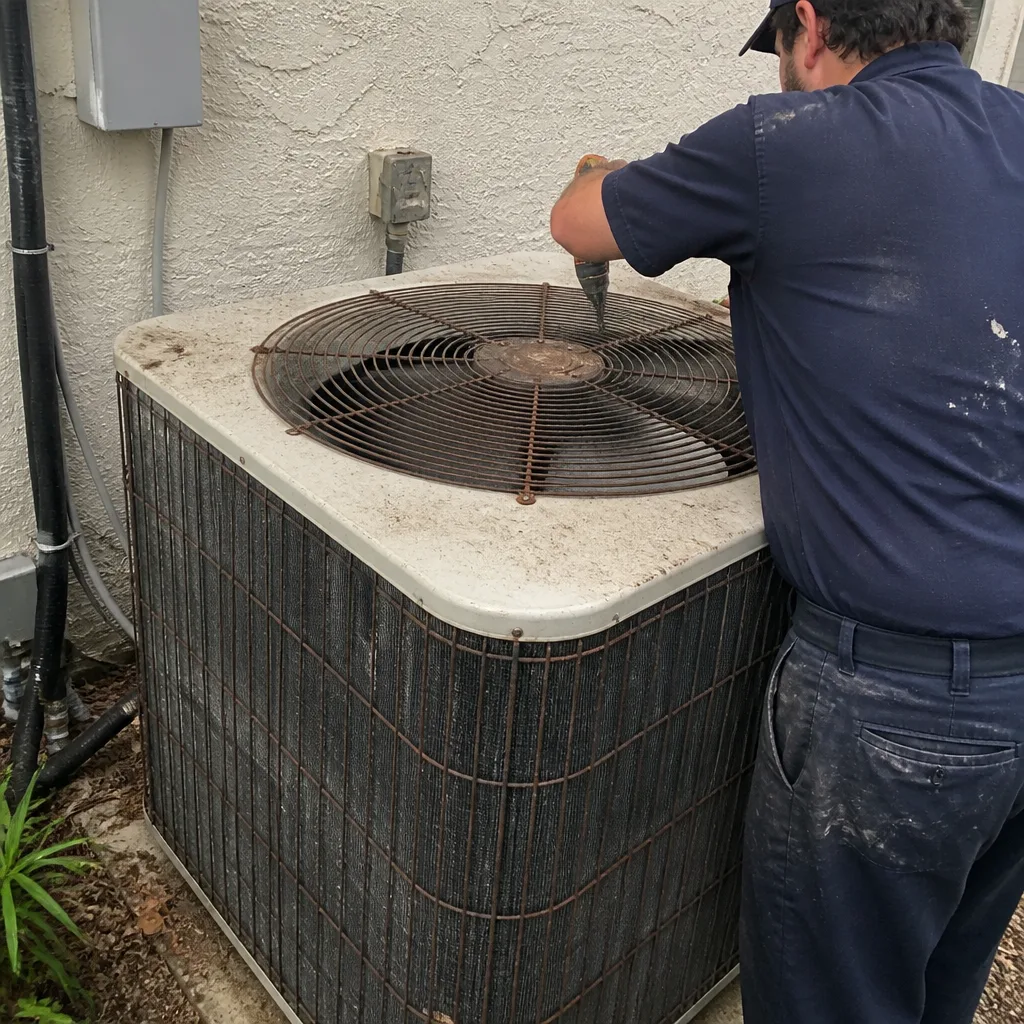 Before
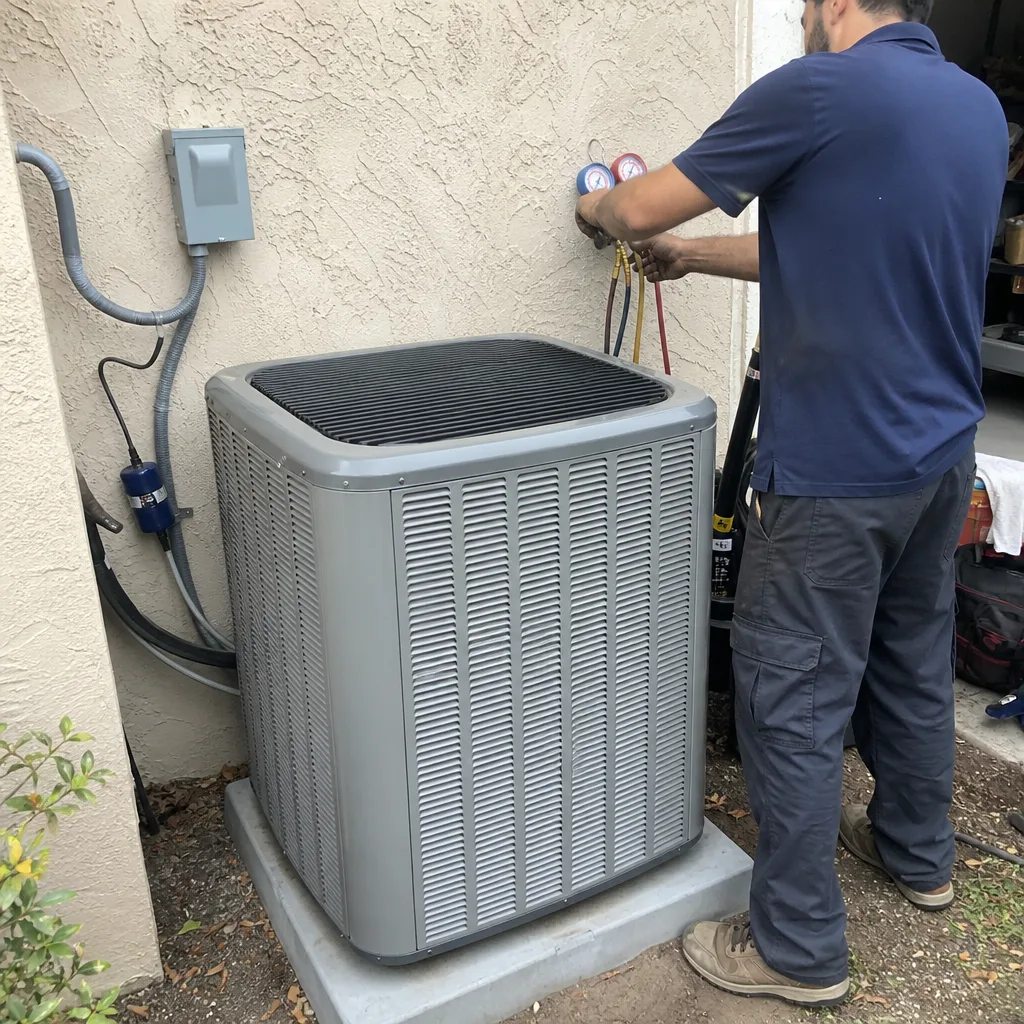 After
After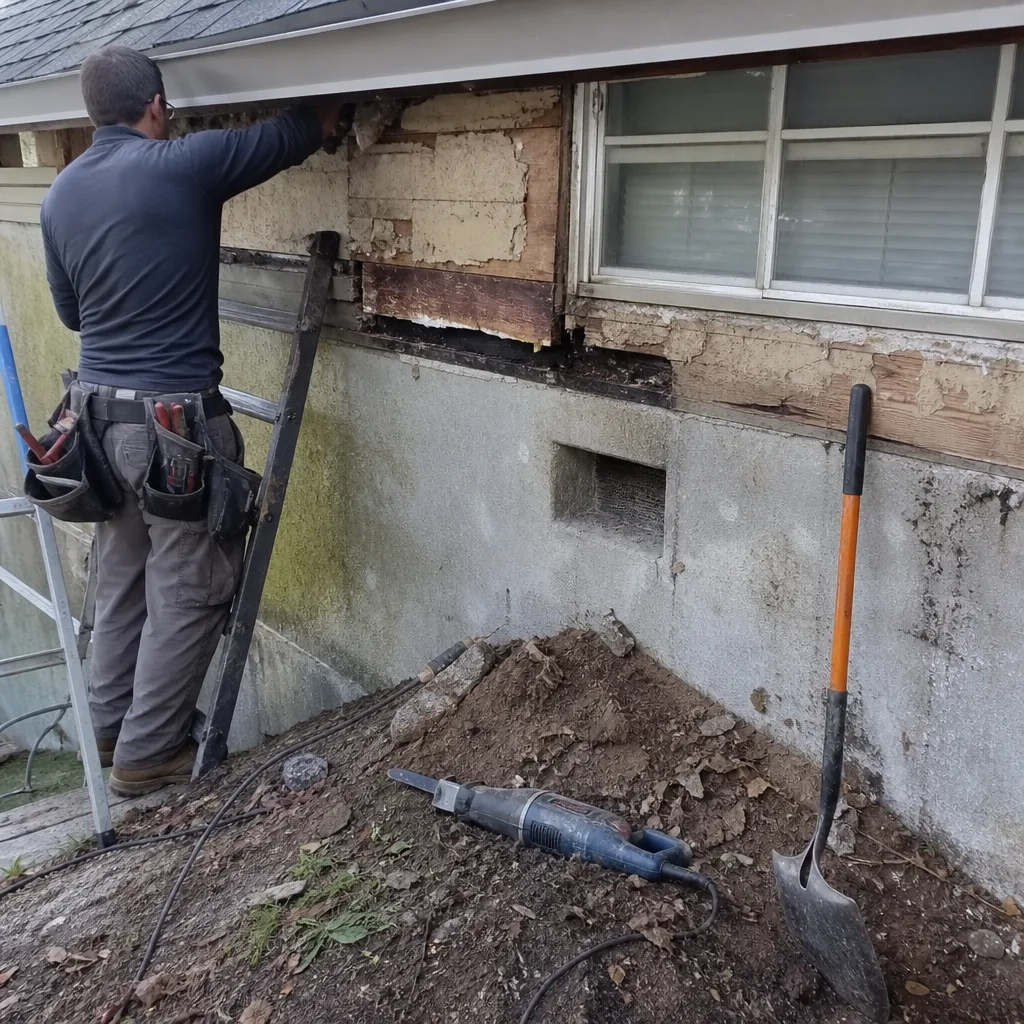 Before
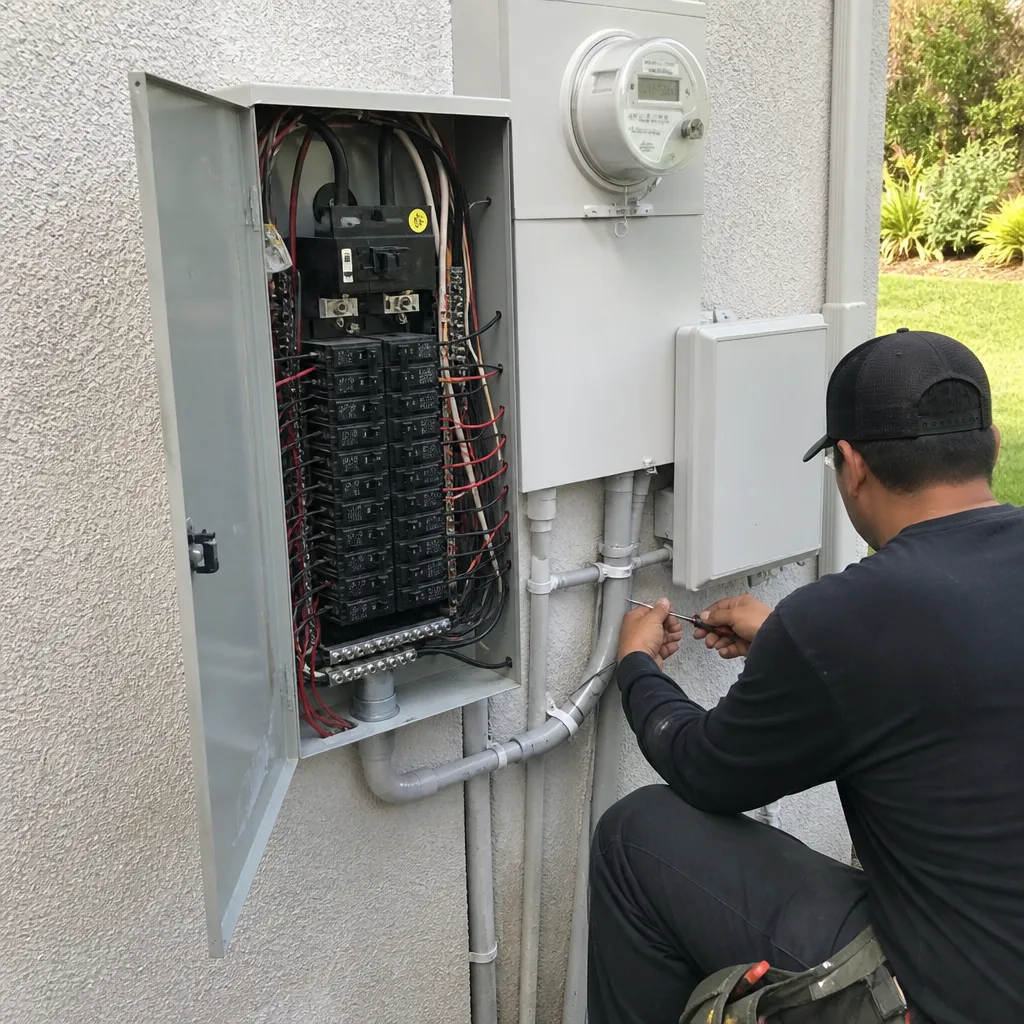 After
After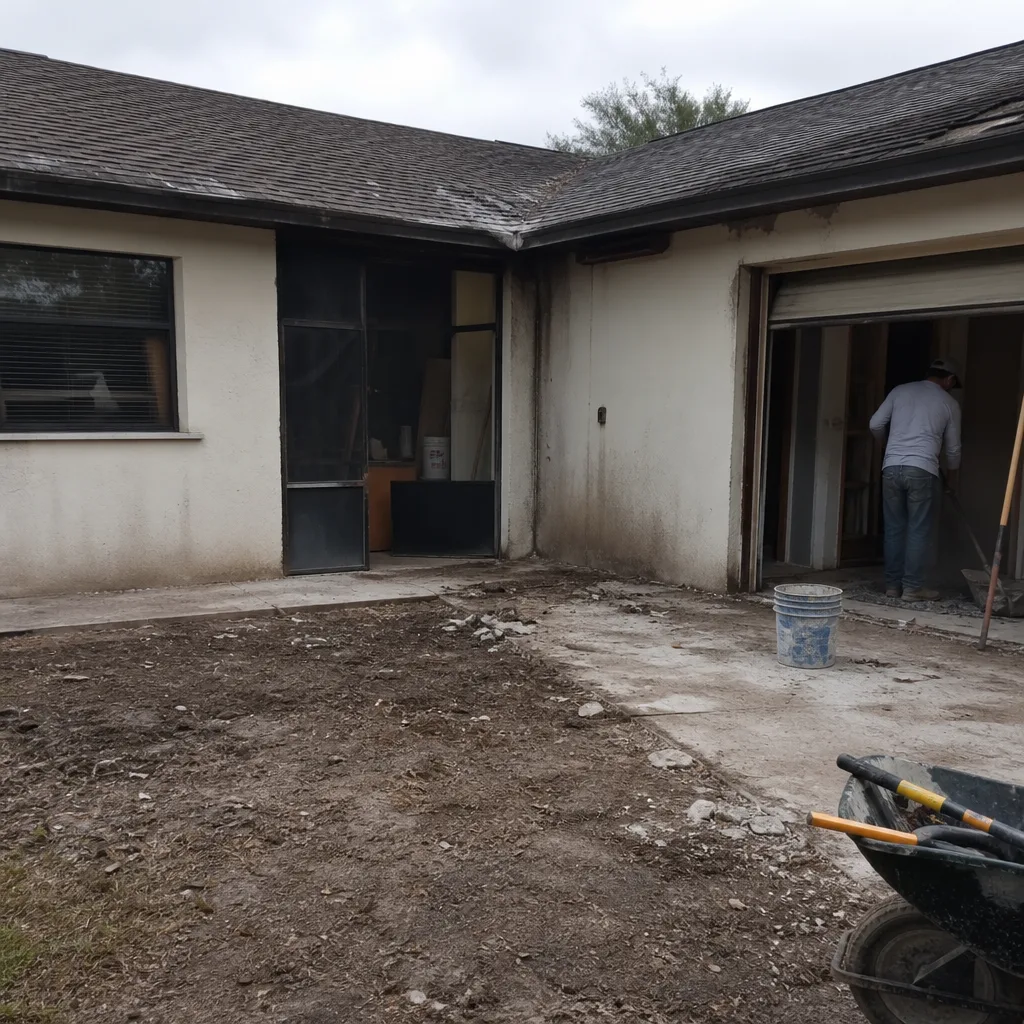 Before
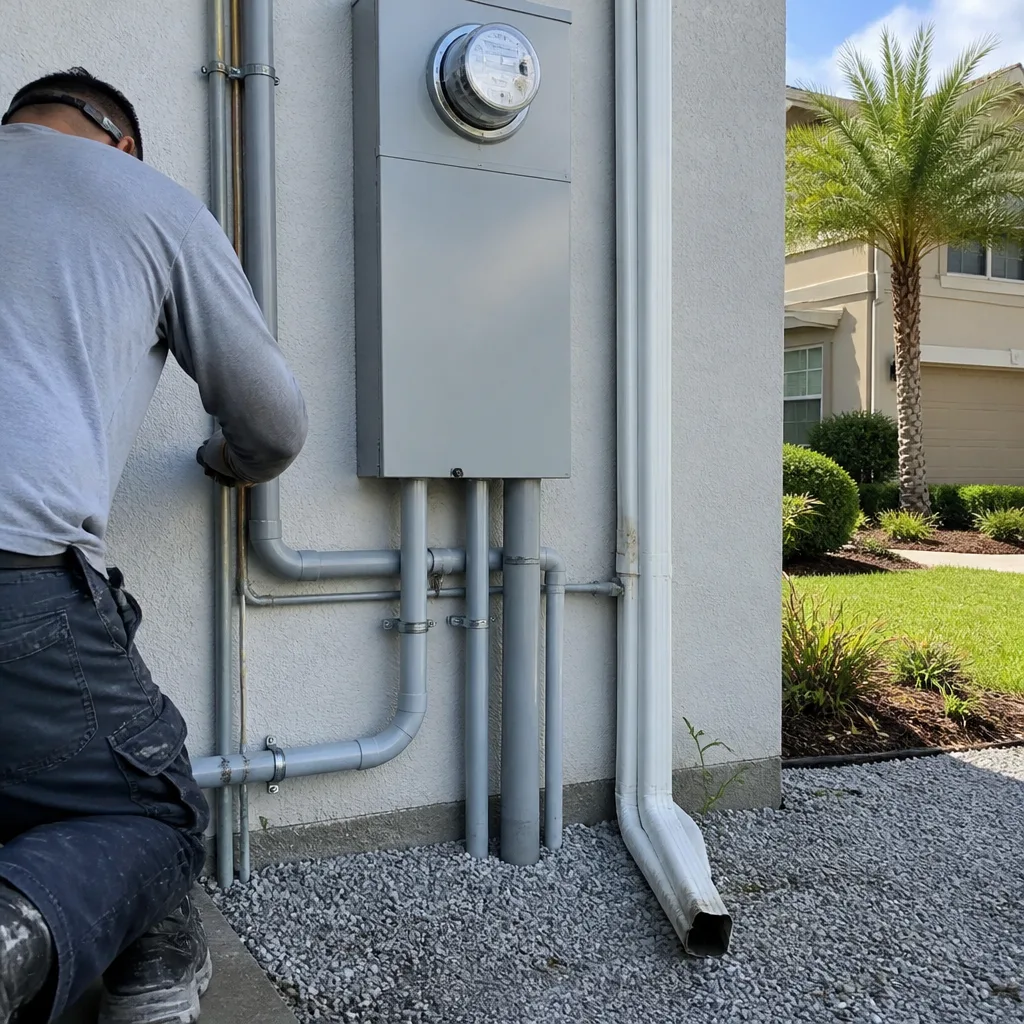 After
AfterReplacement Cost & What’s Included
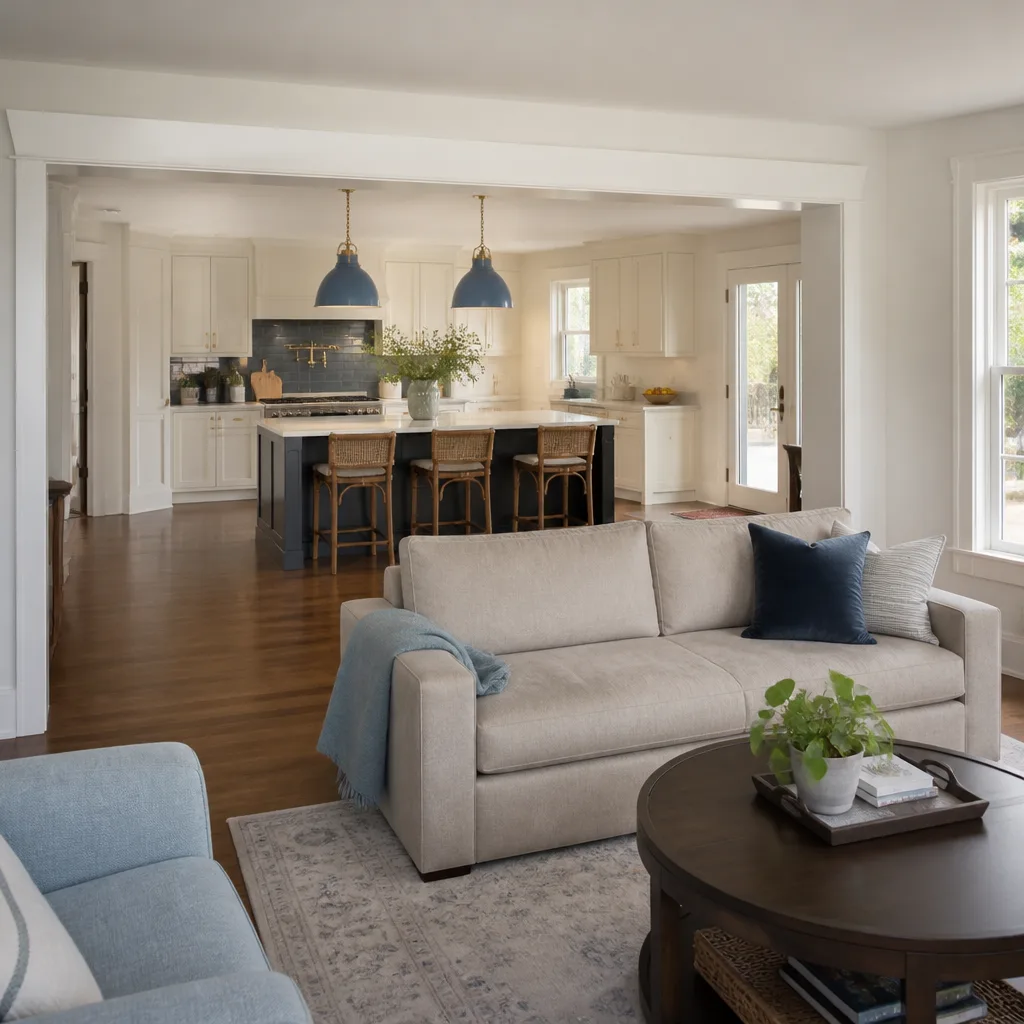
What you’ll pay to fix a failed CWS addition or ADU component in Orlando depends entirely on which part failed and how far the damage spread before you caught it. Here are the ranges we see most often:
- Sill gasket or weather barrier replacement: $800 to $2,500 depending on linear footage and whether siding or drywall needs to come off.
- Header bracket or connector replacement (non-structural, single location): $400 to $1,800 including engineered re-spec if needed.
- Floor joist or sill plate repair from moisture entry: $2,500 to $8,000 depending on span and accessibility.
- Mini-split lineset or drain correction on an ADU: $600 to $2,200 per head unit.
- Full structural tie-in correction between the addition and main house: $5,000 to $14,000 when multiple connection points need to be replaced.
Every quote includes the part, labor, removal and disposal of the failed component, and a written line-item breakdown so you see exactly what you’re paying for. The 365-Day Done Right Promise covers every repair for a full year after the job closes. If the part or the workmanship isn’t right, we make it right, in writing, before we leave.
DIY or Call Us?
Here’s the honest split. You can safely handle the diagnosis on a few of these: checking for visible cracks, testing whether doors bind, and looking for water staining along the base of your addition’s exterior walls. That information helps us hit the ground running when we show up. What you should not do is attempt to re-seat a header bracket, lift a settled beam, or run new electrical to an ADU panel. Those are high-tension, load-critical components that can shift suddenly and cause serious injury or structural collapse if handled wrong. Luca Romano has watched too many weekend fixes turn into $20,000 structural corrections to pretend otherwise. If the part that failed carries weight, stops water, or conducts electricity, call (850) 809-0306 and we’ll send someone who does this every day.
FAQs
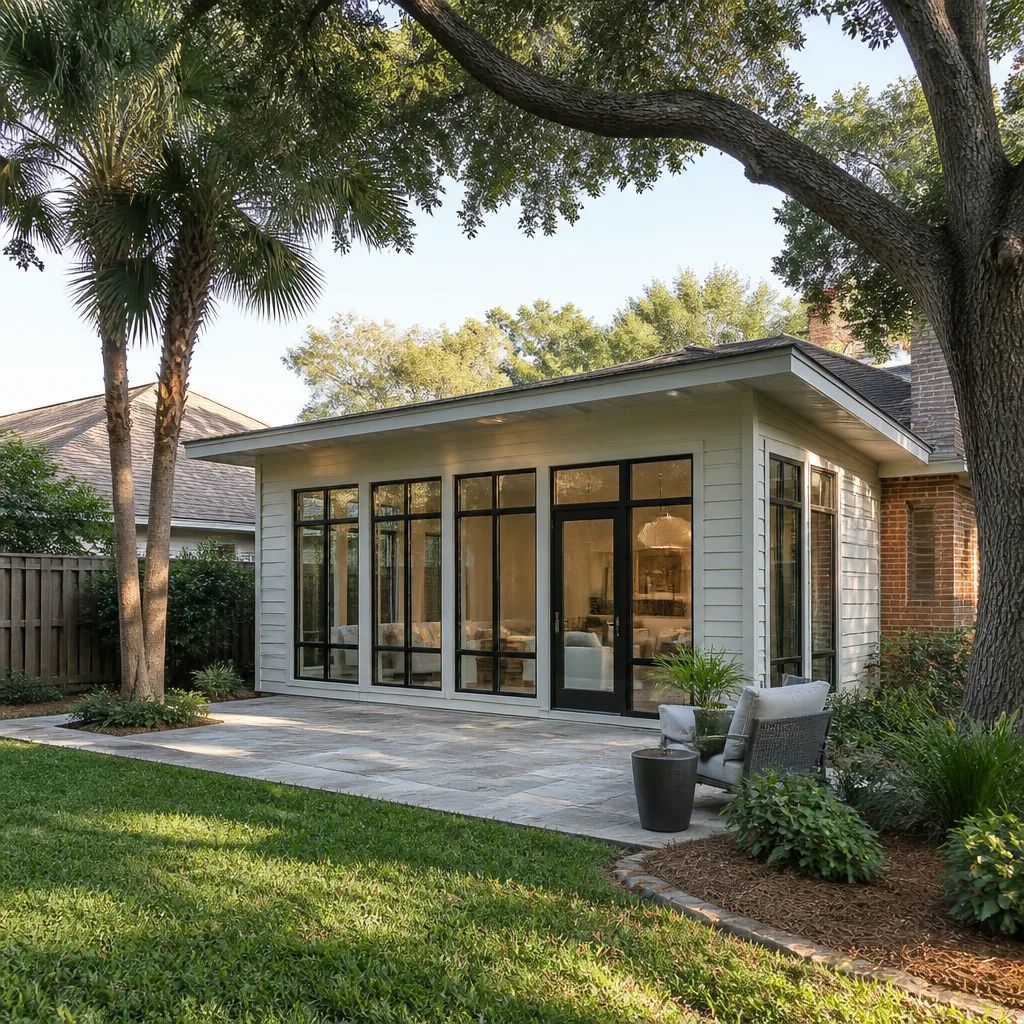
Most CWS structural components are engineered for 20 to 30 years of service, but Florida’s heat and humidity cut the life of gaskets, weather barriers, and exterior sealants to roughly half that. Expect to replace sill gaskets and weather barrier transitions every six to eight years in Orlando if you want to avoid moisture damage to the framing. For a specific assessment of your addition, call (850) 809-0306 and we’ll do a free visual inspection.
Sometimes, and we’ll tell you straight when that’s the case. A bracket with surface rust but no deformation can often be cleaned, coated, and re-torqued. A connector that has cracked, bent, or pulled away from its anchor point gets replaced, full stop. The difference is whether the part still carries its original load rating, and that’s a call we make with a torque wrench and a straight edge, not a guess. Call (850) 809-0306 and we’ll assess it for free.
Most single-component replacements, like a sill gasket or a header bracket, are done in half a day to a full day. If we’re correcting a moisture-damaged sill plate or re-establishing a structural tie-in, plan for two to four days including dry-out time and final inspection. We’ll give you a written schedule before any work starts, and we don’t leave you guessing between visits.
We stock the failure-prone items: sill gaskets, Series 3 and Series 4 connection brackets, weather barrier tape, and interior shear panel fasteners. Larger structural members like headers or custom-length flitch plates are ordered per job and typically arrive in Orlando within three to five business days. We also carry compatible parts for KraftMaid cabinetry, Cambria surfaces, and Silestone countertops on the off-chance your addition’s failure is tied to one of those systems.
Written by Luca Romano, Owner & Lead Contractor, Sawyer Remodel Orlando at Sawyer Remodel Orlando, serving Orlando and nearby areas.