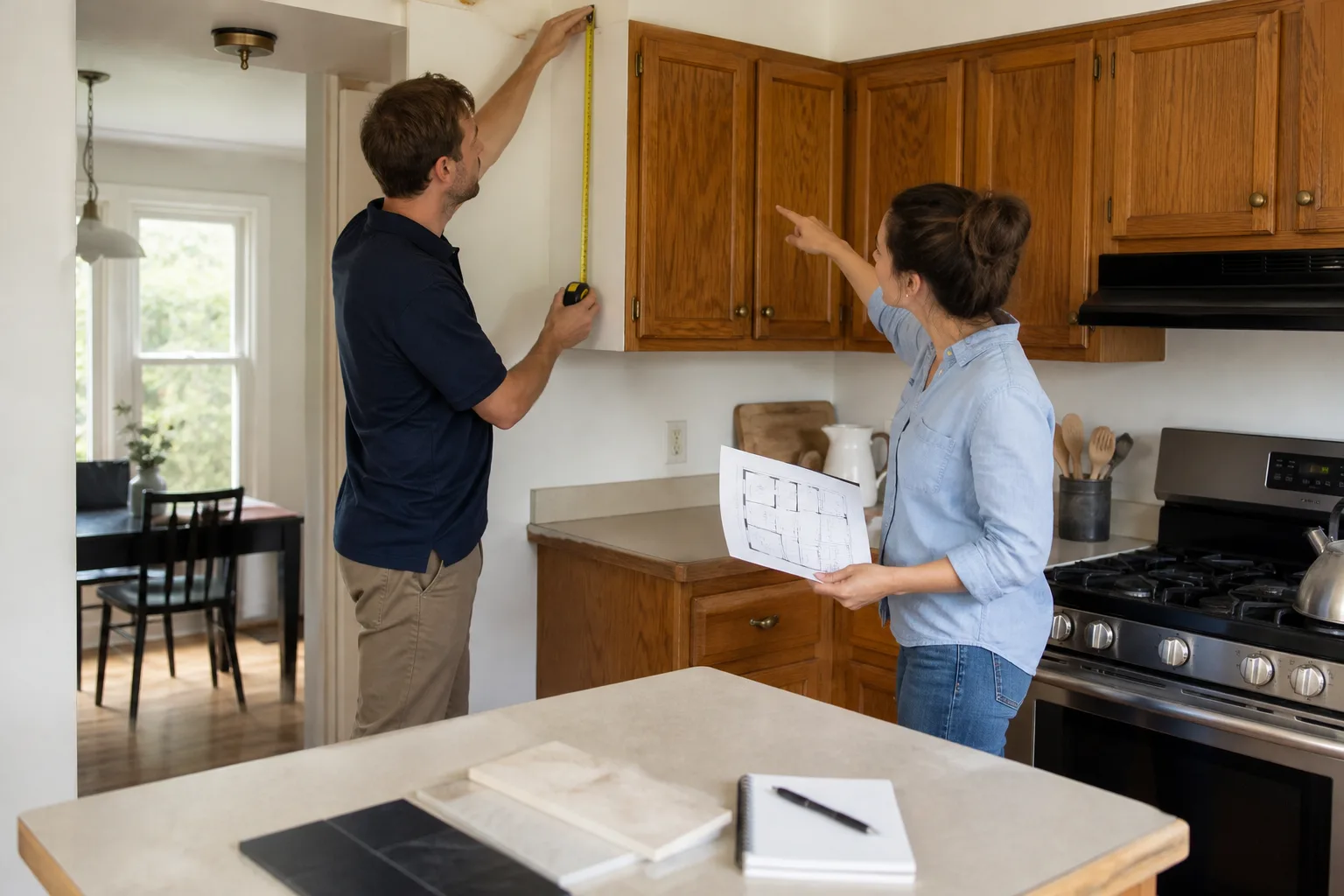
Free written scope consultation - allowances, timeline, and change-order rules on paper before a single trade is scheduled
Oldcastle Home Additions & ADU: The Orlando Owner’s Guide
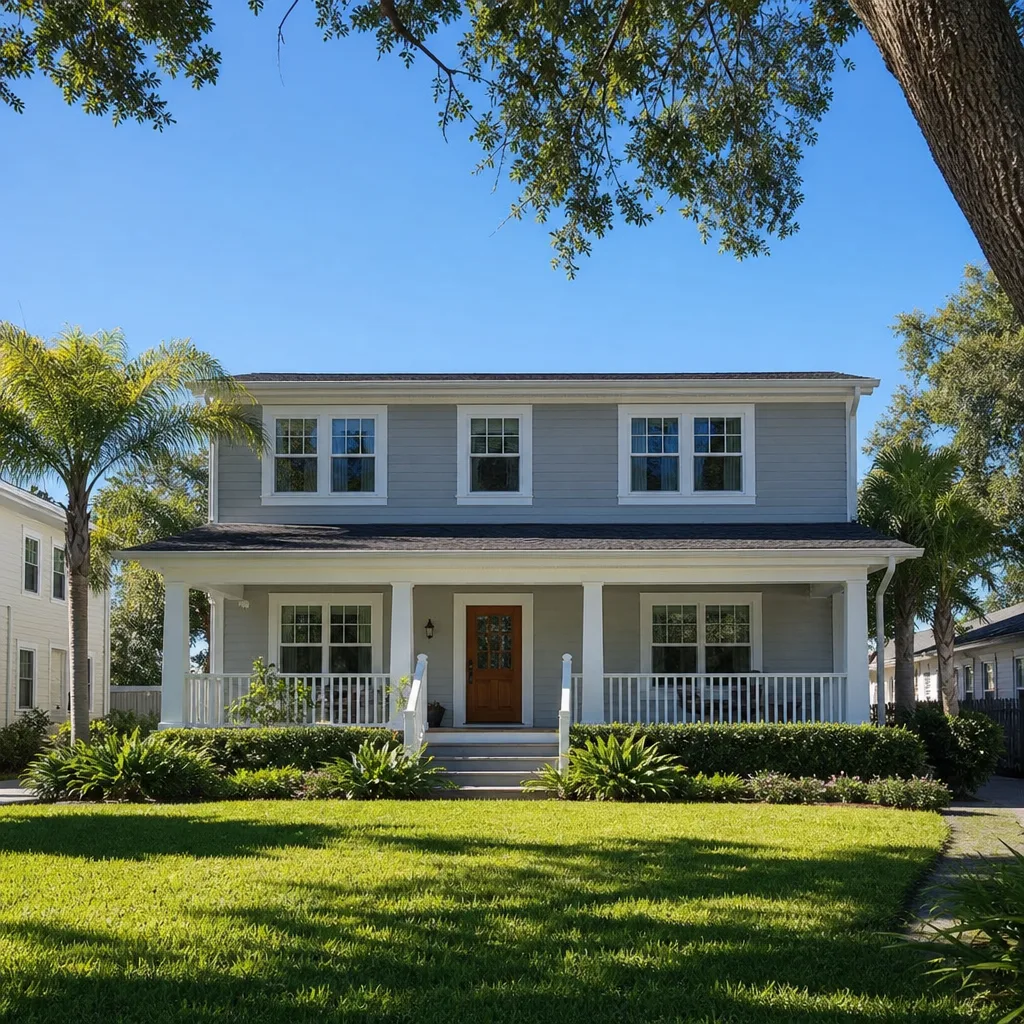
An Oldcastle home addition or ADU in Orlando typically runs $45,000 to $130,000 installed, depending on square footage, foundation work, and whether you’re adding a bedroom suite or a full standalone unit with a kitchen and bath. We stock and install the structural materials that make these additions hold up in Central Florida’s heat and humidity. Most Orlando homeowners call us after they notice a problem with an existing addition: a sagging roofline where the new tie-in meets the original structure, a floor that’s started to bounce, or water staining where the addition’s flashing meets the old exterior wall.
We’re Sawyer Remodel Orlando, and we’re an independent contractor, not affiliated with Oldcastle. What we are is deeply familiar with how Oldcastle’s block, pavers, and masonry materials perform in this climate, and we know what fails first when an addition built with them starts to age.
Which Oldcastle Models This Applies To
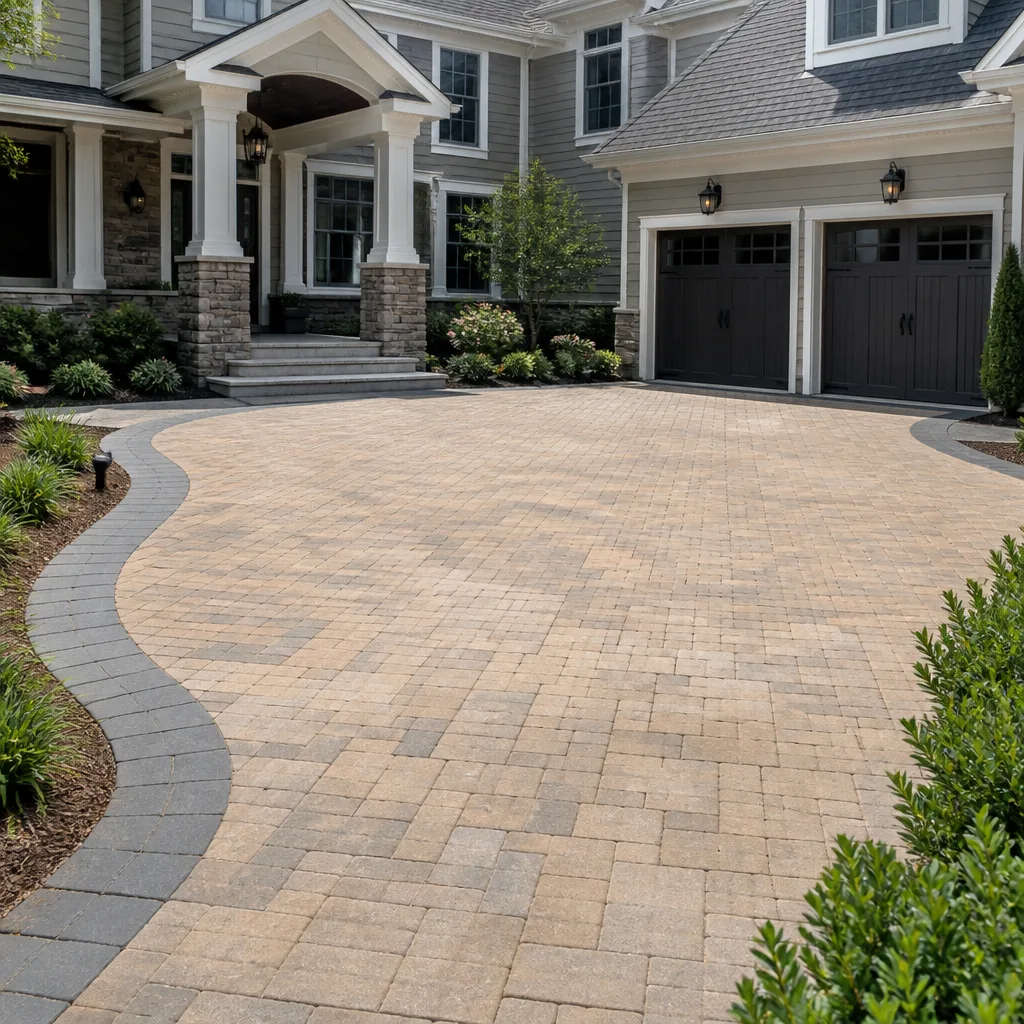
Oldcastle’s product line for home additions and ADU construction breaks into three categories that matter for Orlando builds. The first is concrete masonry units (CMU), commonly called block, in 8x8x16 and 12x8x16 dimensions. The second is architectural pavers used for driveways, patios, and walkways that tie an ADU to the main house. The third is retaining wall systems for grade changes, which Orlando lots have plenty of.
Here’s what most homeowners don’t know: not every CMU block is rated for load-bearing wall use. Oldcastle’s standard gray block works for non-structural partition walls, but an addition’s exterior walls are load-bearing and require their structural-grade block, which has a higher compressive strength rating. If you have an existing addition and you’re trying to match materials for a repair, check the block face for a plant code and strength marking. Mixing a non-load-bearing block into a structural wall is the kind of compatibility mistake that shows up years later as a crack running through the mortar joints.
For pavers and retaining wall block tied to an Orlando ADU, the color and texture codes matter. Oldcastle runs multiple paver lines, and a paver that’s visually close but from a different series will weather differently in Florida’s UV exposure and heavy rain. Match the lot code if you can. If you can’t, we’ll pull samples and match from current stock.
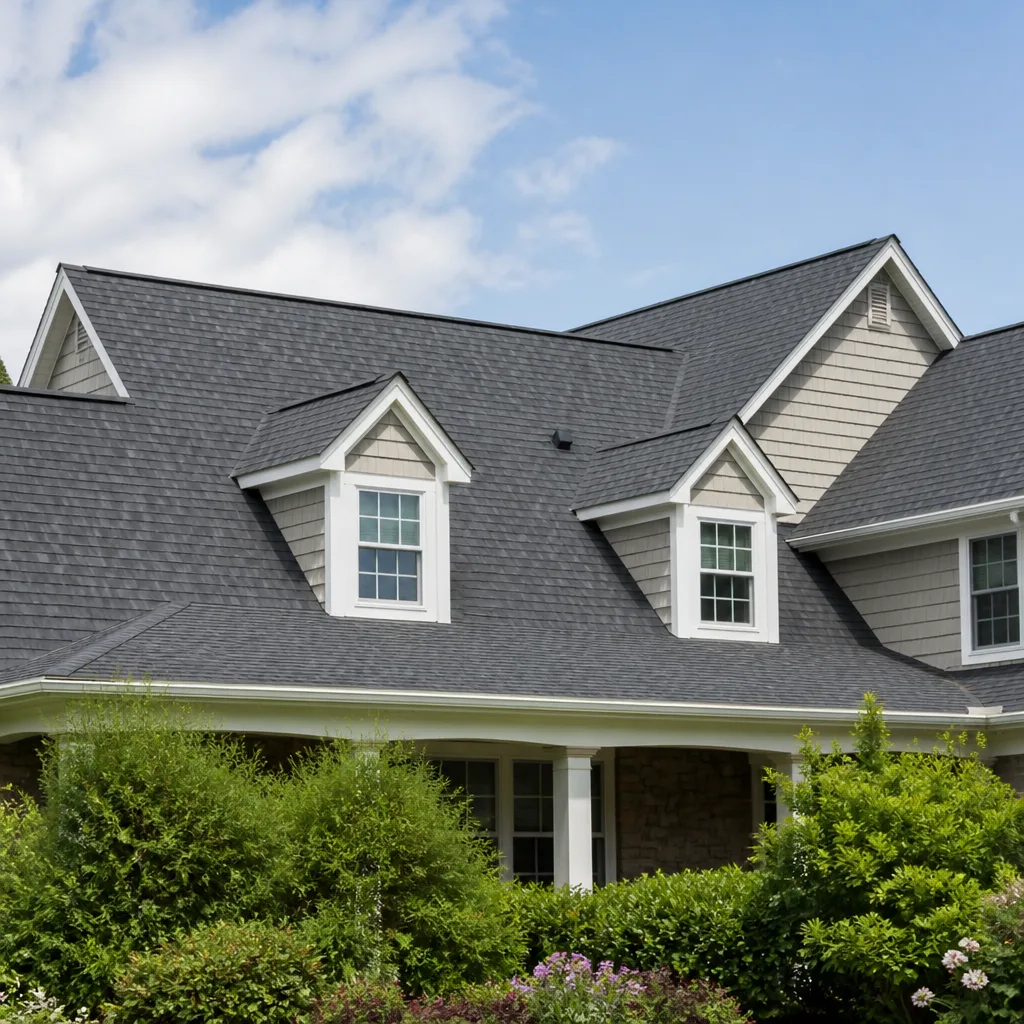
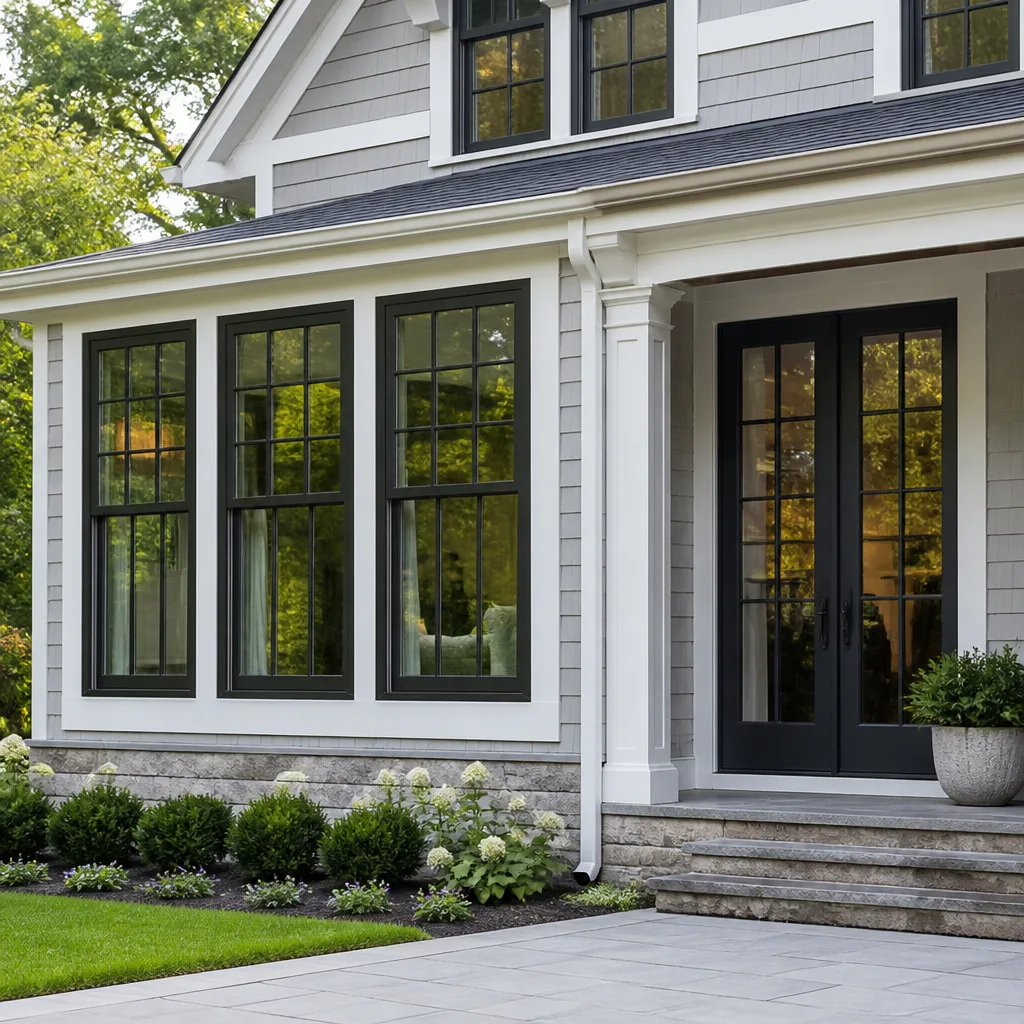
Styles & brands we work with
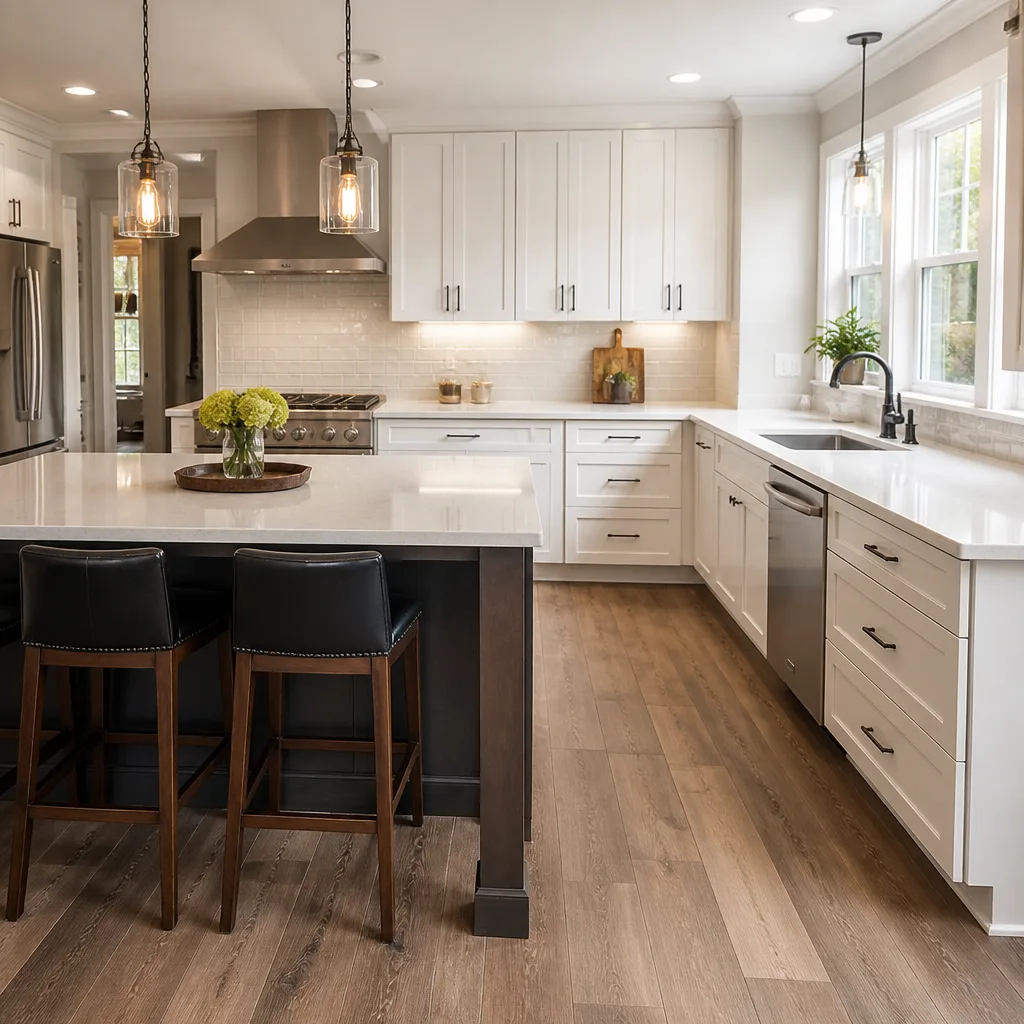
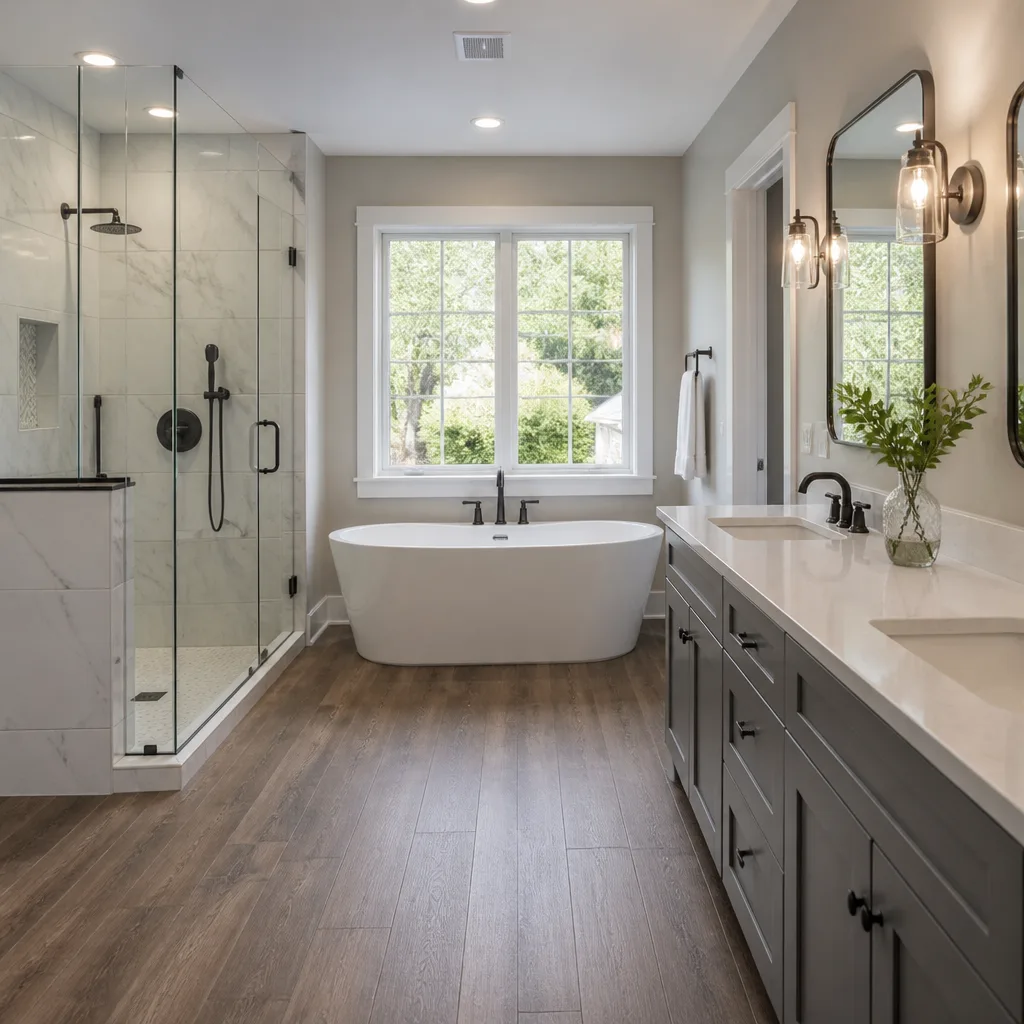
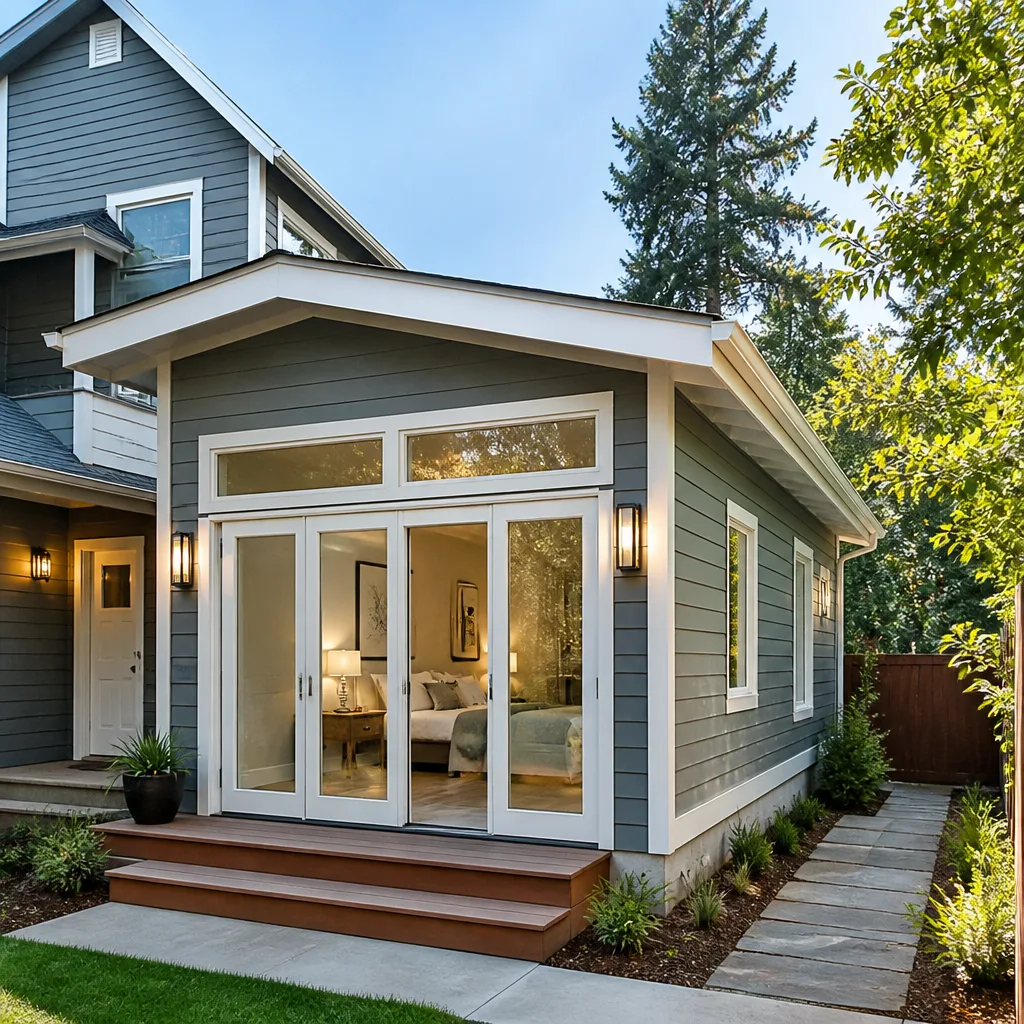
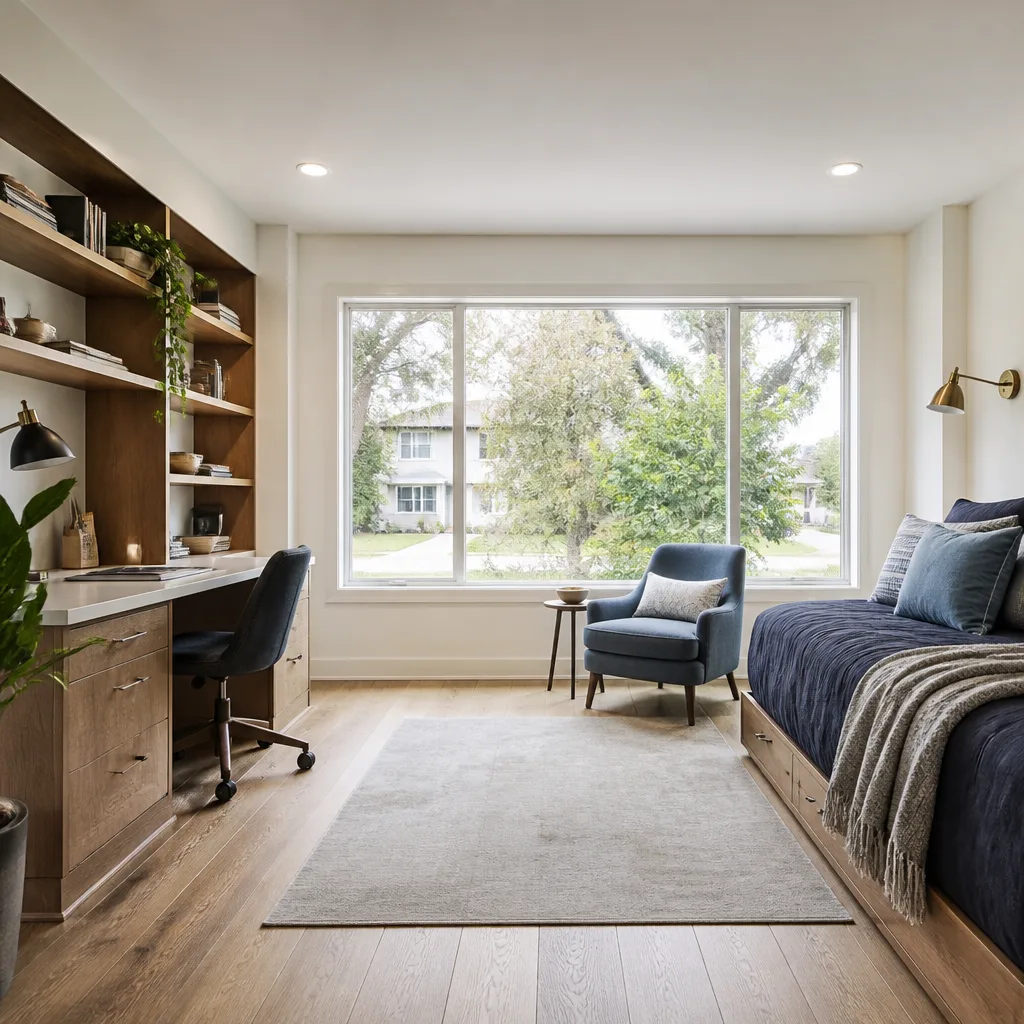
Signs Your Oldcastle Home Additions & ADU Is Failing
- Horizontal cracking along the mortar joints of an exterior block wall. In Orlando, this usually traces back to soil settlement under the addition’s foundation. The block itself rarely fails; what gives way is the bond between block and mortar when the ground shifts during wet-dry cycles.
- A gap opening where the addition roof ties into the original house. This is a flashing and structural issue, not cosmetic. Orlando’s afternoon thunderstorms push water sideways, and a gap here sends it into the wall cavity. The gap usually means the tie-in wasn’t properly flashed or the addition has settled slightly away from the main structure.
- A spongy or bouncy floor in the addition. Older additions in Orlando often sit on pier-and-beam foundations, and our sandy, shifting soil can leave piers unsupported. The floor joists may still be sound, but the supports under them have moved.
- Pavers around an ADU sinking or separating. ADU construction adds concentrated water runoff and weight near the structure. If the paver base wasn’t compacted right or drainage wasn’t accounted for, you’ll see pavers tilt, sink, or spread within the first two to three wet seasons.
- Doors and windows inside the addition that stick seasonally. Florida’s humidity expands wood frames, but if sticking aligns with rainfall rather than just summer, the addition is moving. Block walls shift, openings rack, and the doors bind. It’s a warning sign, not a quirk.
See the difference
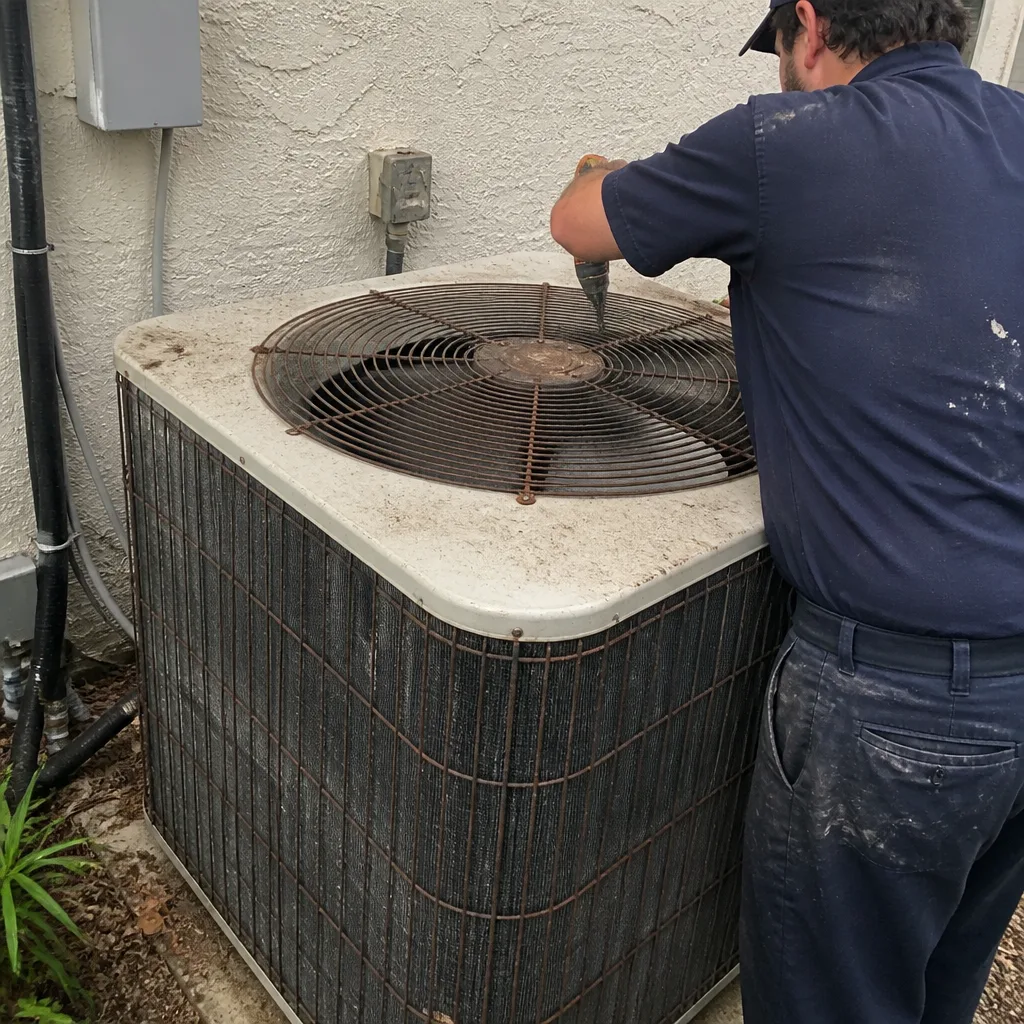 Before
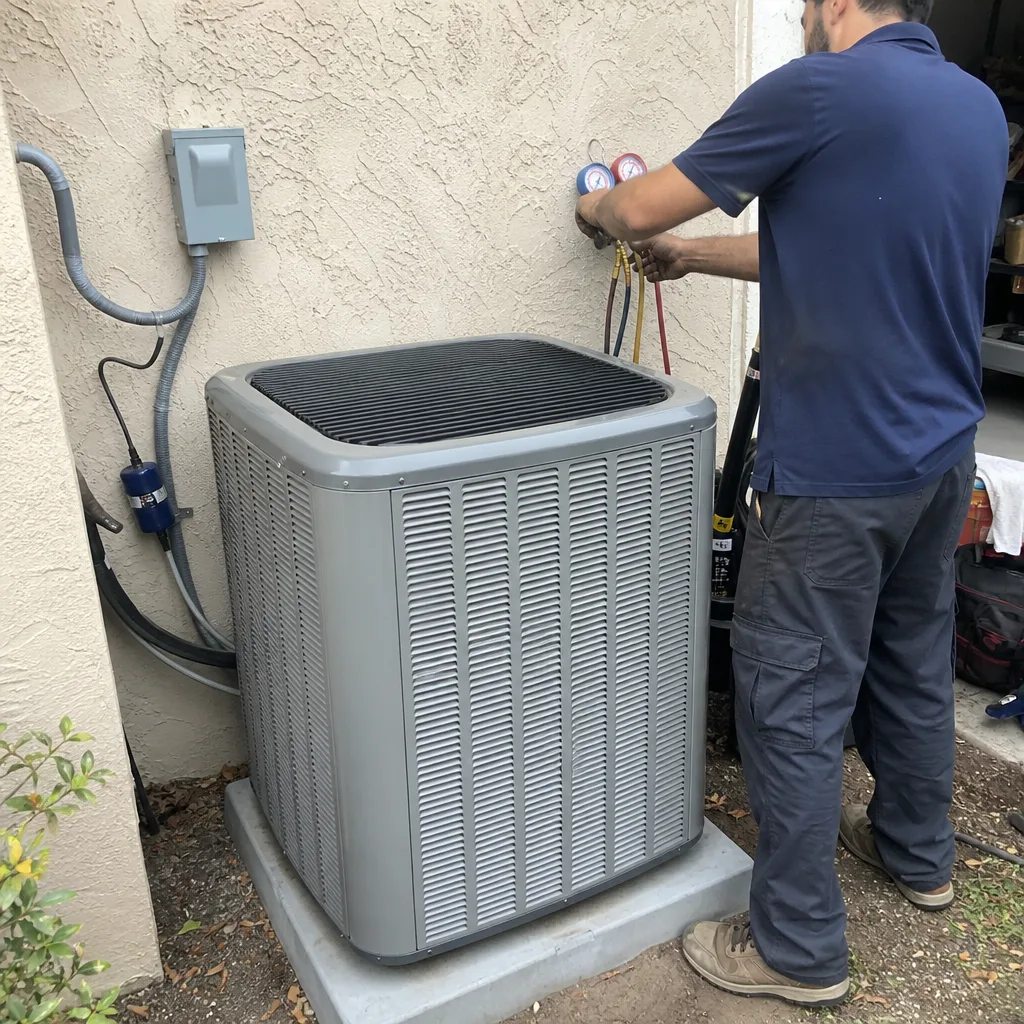 After
After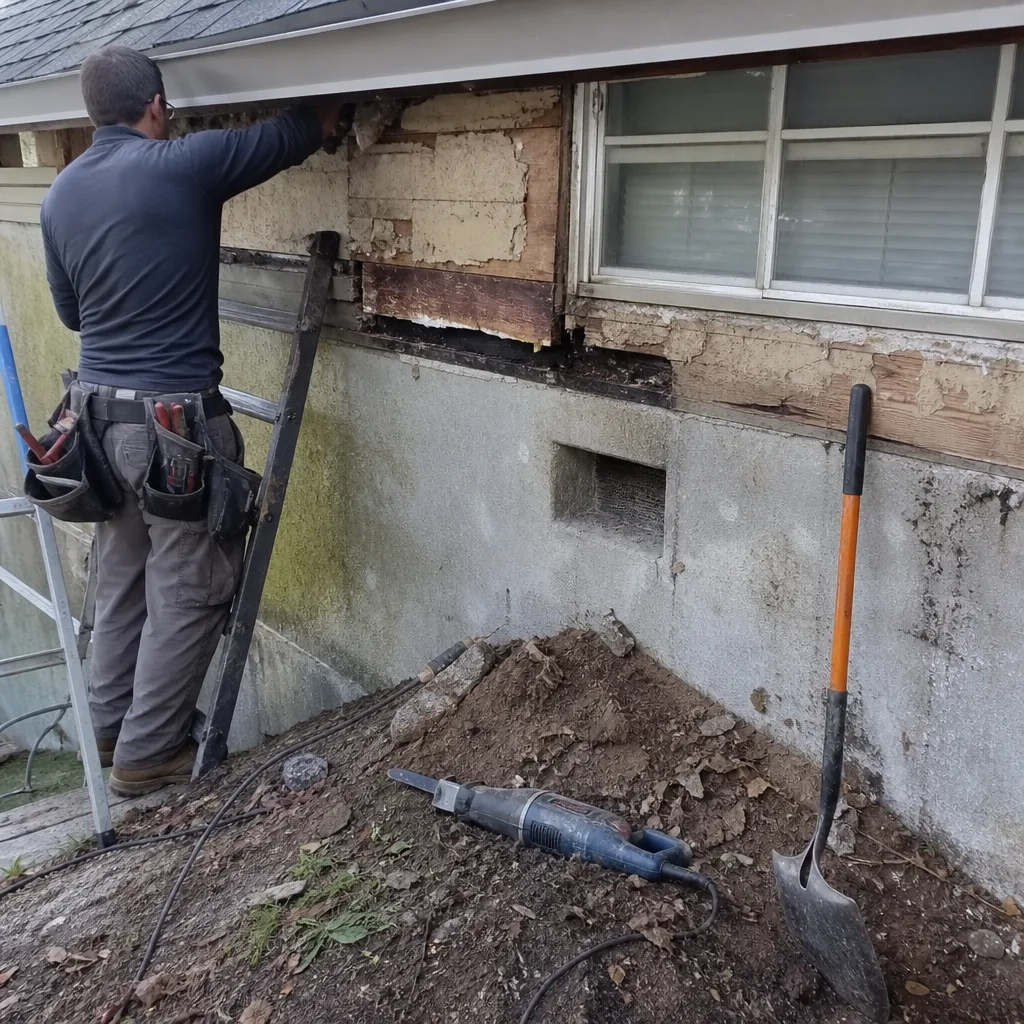 Before
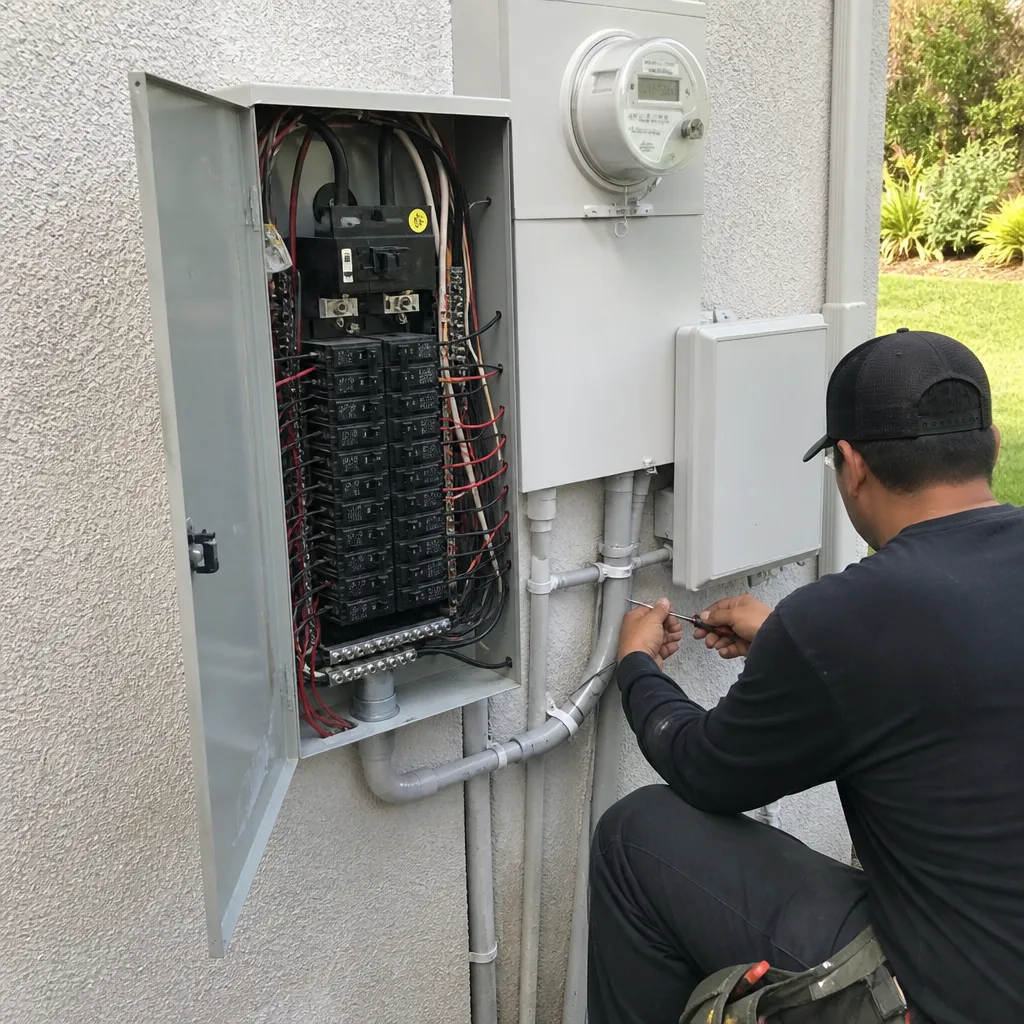 After
After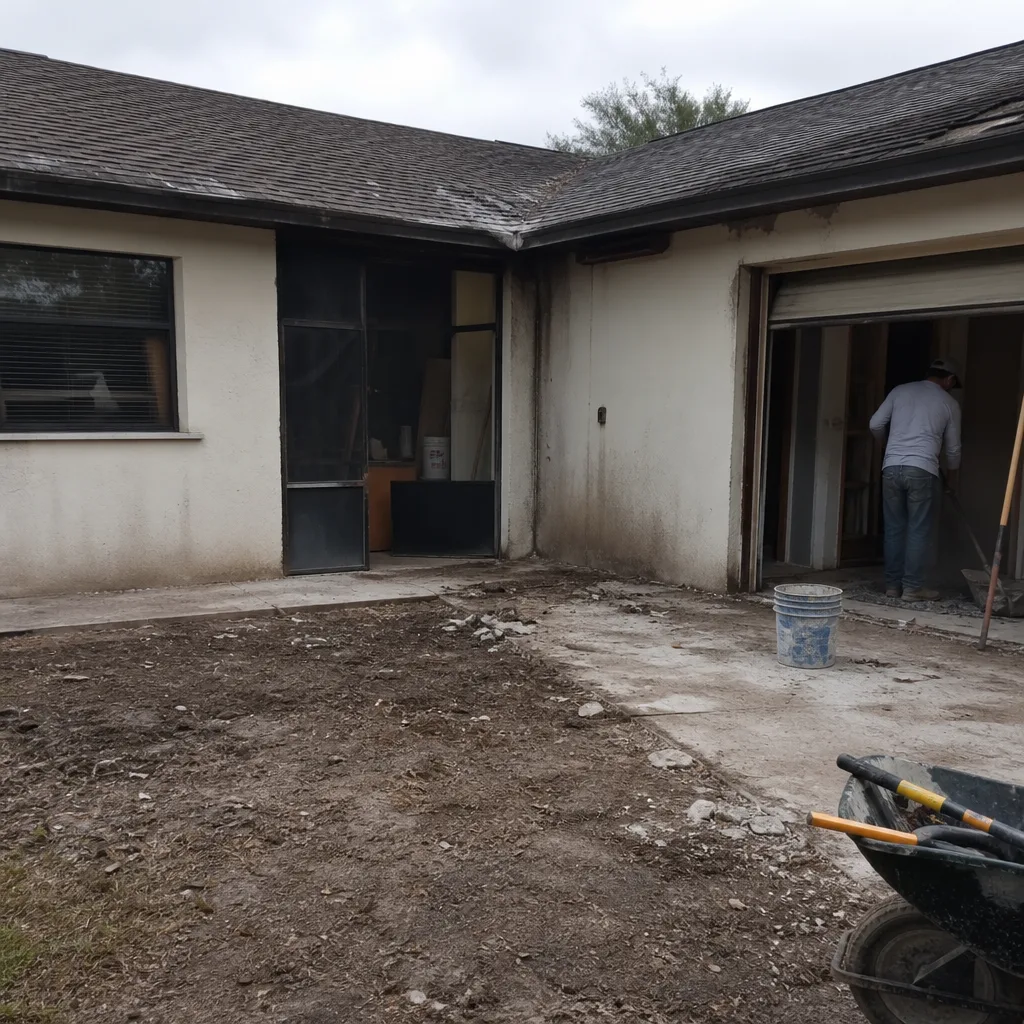 Before
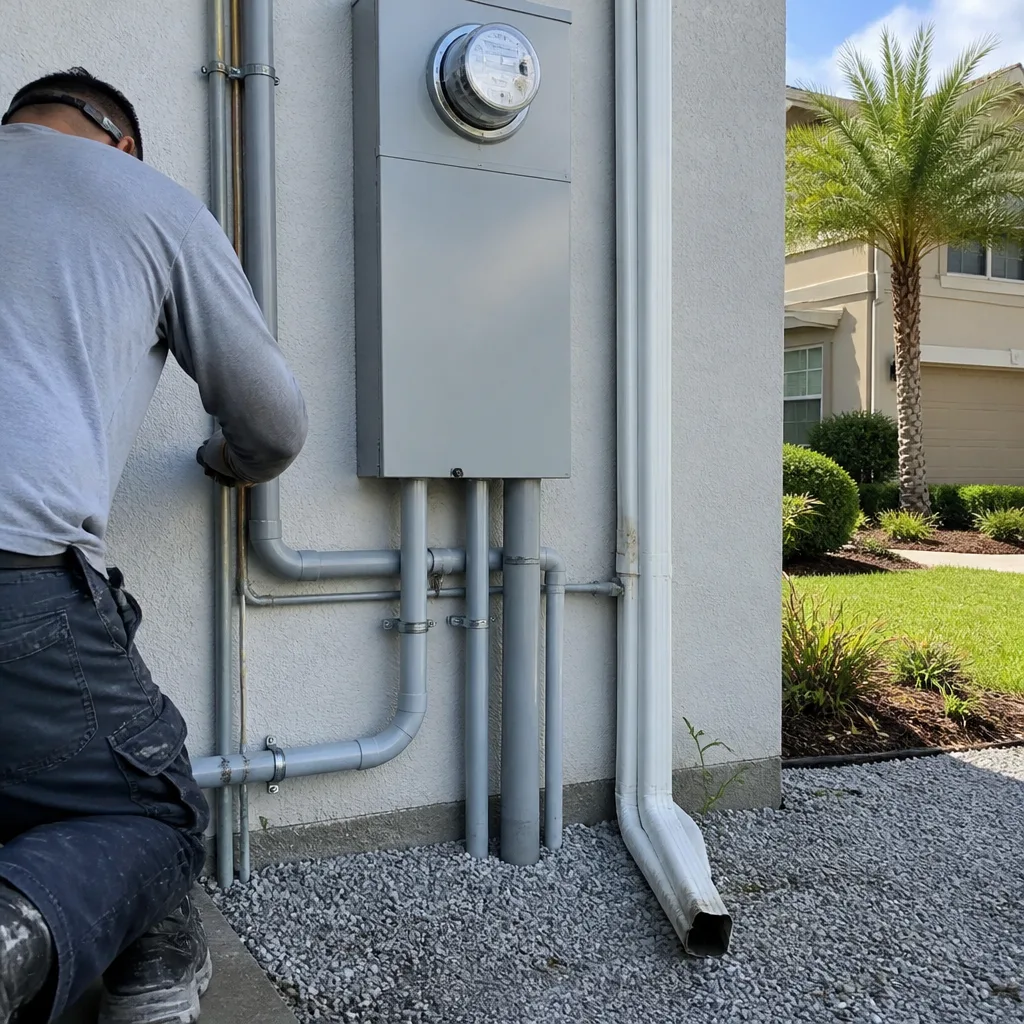 After
AfterReplacement Cost & What’s Included
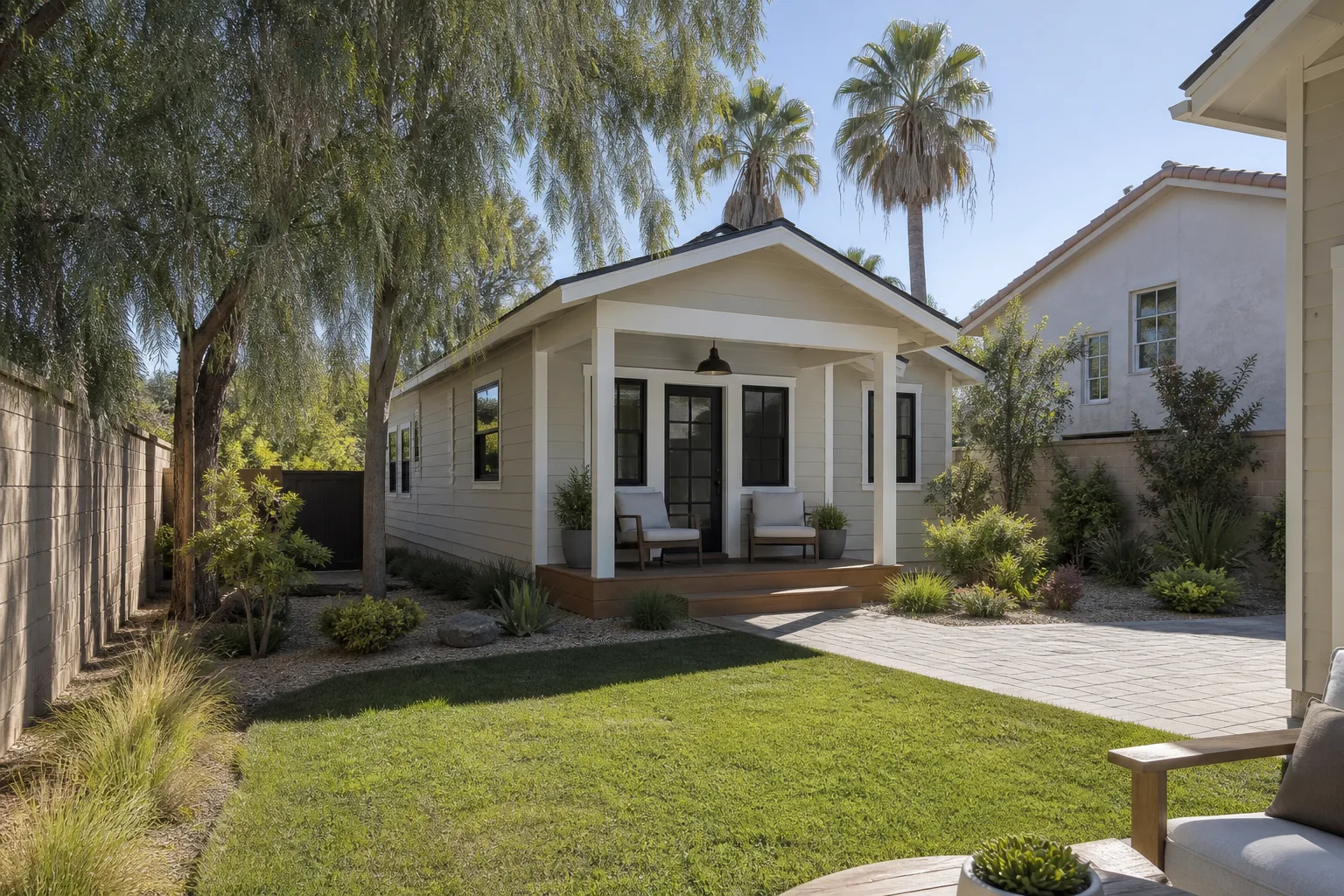
In Orlando, a full home addition runs $45,000 to $130,000. A detached ADU starts closer to $90,000 and can reach $220,000 depending on size and finishes. Smaller structural repairs to an existing Oldcastle-built addition, like repointing mortar, resetting a failed tie-in, or replacing a section of block wall, fall in the $3,000 to $15,000 range depending on scope and access.
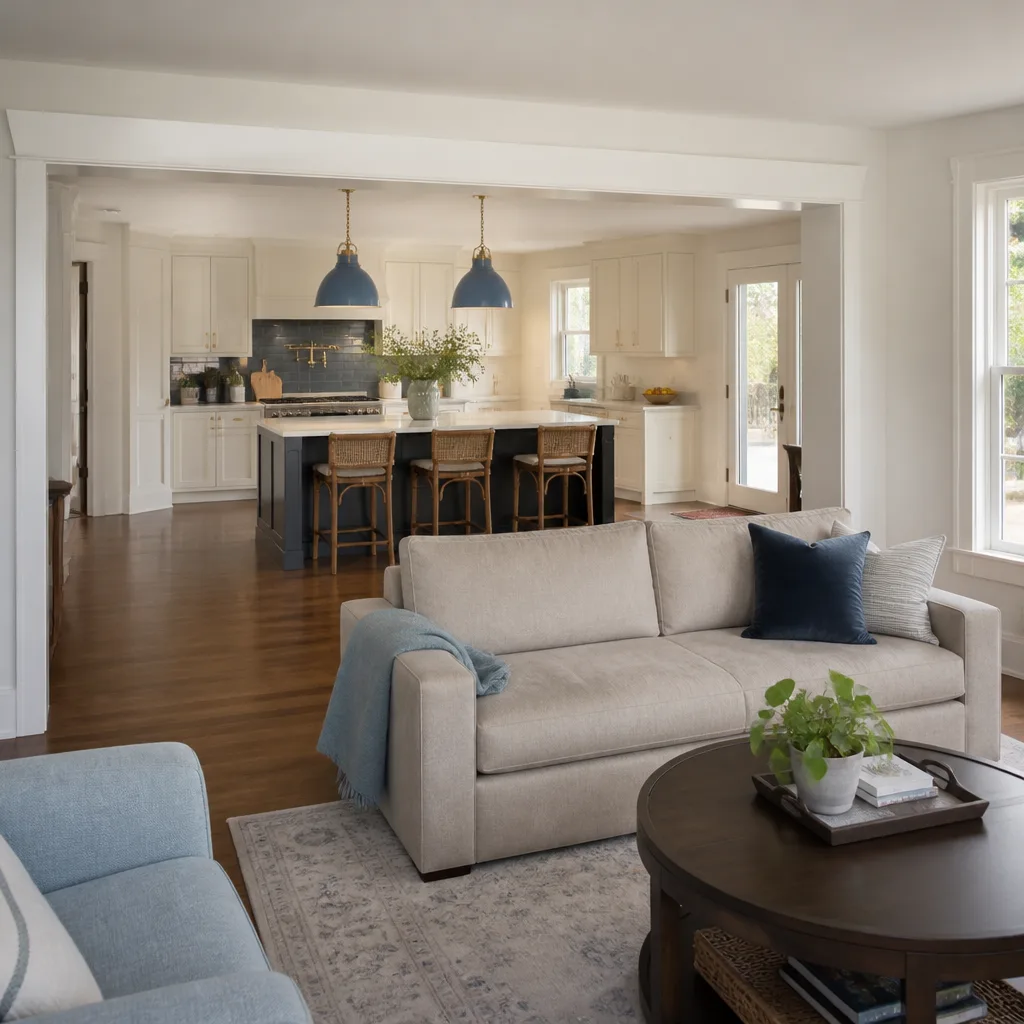
What drives the range on full additions: square footage is the obvious one, but foundation type matters more in Orlando than people expect. A slab-on-grade addition on stable soil runs lower than a pier-and-beam build on a lot with drainage issues. Finish level is the other big lever. A basic bedroom addition with drywall, paint, and a closet sits at the lower end. An ADU with a full kitchen, bathroom, and separate meter panel pushes toward the top.
Every quote we write includes a line-item breakdown: block or framing, roofing, electrical, plumbing, drywall, finishes, permits. The price we hand you is the price you approve. No change orders that appear out of nowhere, no surprise line items. And every job is covered by our 365-Day Done Right Promise: if something’s not right within a year of completion, we come back and make it right, in writing.
DIY or Call Us?
What you can safely check yourself: cracks that run through block rather than mortar, gaps at the tie-in flashing, pavers tilting near the structure. Document what you see, take photos, and watch whether it changes after heavy rain. That information helps us diagnose faster.
What you should not do yourself: grind out and rebuild a load-bearing block wall, re-flash a roof tie-in, or jack and re-support a foundation. All three involve structural loads, and a mistake doesn’t just cost more to fix later, it can put a wall or roof into a failure state. Luca Romano didn’t spend years studying structural work at L.A. Trade-Tech to watch a homeowner try to re-support a shifted pier with a bottle jack from a big-box store. This is exactly the work where a wrong move turns a $4,000 repair into a $40,000 rebuild.
If you’re seeing shifting or cracking anywhere the addition meets the original house, call (850) 809-0306 and we’ll put eyes on it.
FAQs
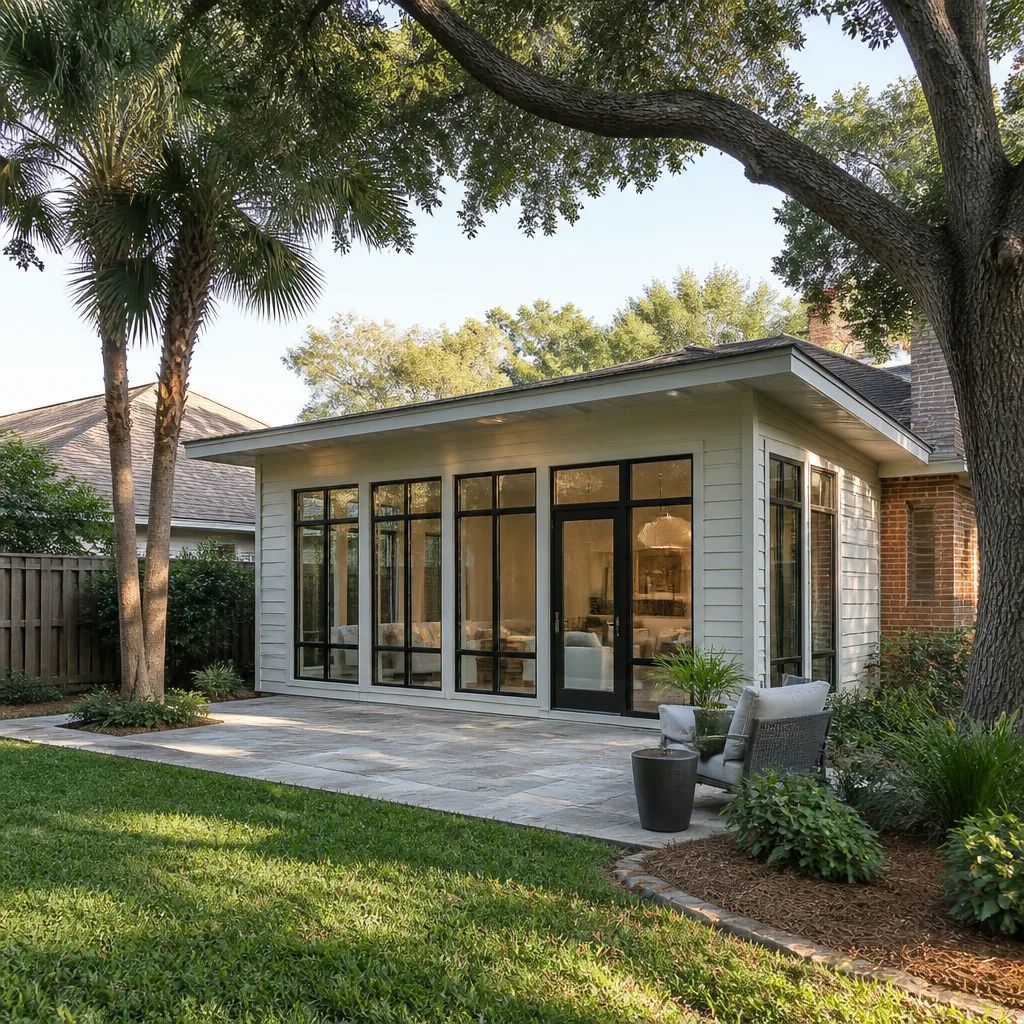
A properly built block addition in Orlando lasts 50 to 80 years or more, but the original mortar joints typically need repointing at the 30 to 40 year mark because Florida’s rain-driven moisture and heat cycles slowly erode the bond. The failure point is rarely the block; it’s the mortar and, more often, the flashing and tie-in details where the addition meets the existing house.
Yes, most structural issues in Oldcastle-built additions can be repaired without a full tear-out. Repointing mortar, resetting tie-in flashing, re-supporting foundation piers, and sealing hairline cracks are all common repairs we handle. A rebuild is only necessary when the block itself has cracked through, which is rare and usually indicates a foundation failure rather than a material failure. Call (850) 809-0306 for an assessment, and the estimate is free.
Most structural repairs to an existing Orlando addition take two to five working days once we’re on site, depending on scope. A full tie-in re-flash is typically two days. A foundation re-support on a pier-and-beam addition can run three to five days including inspections. We schedule the work in writing before we start, and you get photo updates as it progresses.
We stock structural CMU block in the common Orlando dimensions and work directly with local Oldcastle distributors for pavers, retaining wall block, and color-matched material. For exact lot matching on existing pavers or block, we may need to pull a sample and have it matched, which adds a day or two to the front end but prevents a permanent visual mismatch.
Written by Luca Romano, Owner & Lead Contractor, Sawyer Remodel Orlando at Sawyer Remodel Orlando, serving Orlando and nearby areas.