Last updated October 16, 2026








Free written scope consultation - allowances, timeline, and change-order rules on paper before a single trade is scheduled
Construction Warning Signs: A Orlando Homeowner’s Reference Guide
Florida’s Department of Business and Professional Regulation logged more than 4,000 contractor-related complaints in a single recent year. The homeowners who filed those complaints weren’t naive, and they weren’t foolish with their money. They just didn’t know what to look for at the beginning. This guide changes that. We’re going to walk through the exact behaviors, contract clauses, and communication patterns that signal a bad contractor in Orlando before the damage is done. By the time you finish reading, you’ll know more about spotting contractor fraud than most people learn after writing a five-figure check they regret.
Quick Answer
The fastest way to spot a bad contractor in Orlando is to watch three things: how they handle permits, how they structure the written price, and how quickly they communicate before you’ve signed anything. A contractor who discourages permits, refuses to put a fixed price in writing, or takes days to return your call during the bidding phase will do all three things worse once they have your deposit. The specific warning signs that follow tell you exactly what to look for.
Styles & brands we work with






Table of Contents
- The “Quote Low, Invoice High” Pattern and the Contract Language That Enables It
- The Permit Red Flag: Why “We’ll Skip the Permit” Is the Single Biggest Warning Sign in Florida
- Communication Patterns That Predict Ghosting: What Day One Tells You About Day 45
- Material Substitution Without Disclosure: What It Looks Like on an Orlando Job Site
- The Post-Storm Storm-Chaser Playbook That Hits Orlando Every Hurricane Season
- License and Insurance Verification: The Five-Minute Check That Eliminates Most Bad Contractors
- Deposit Schedules and Payment Terms: What Reasonable Looks Like in Orlando
- The Complete Red Flag Checklist: What to Look for Before You Sign
The “Quote Low, Invoice High” Pattern and the Contract Language That Enables It
The most common contractor scam in Orlando doesn’t look like a scam at all. It looks like a very good deal. A contractor walks your home, listens to what you want, and produces a number that beats every other bid by fifteen or twenty percent. You sign. Work begins. And then the invoices start arriving with line items you never discussed. The pattern is so predictable that we can describe it before it happens to you.
The mechanism is almost always in the contract language. Bad contractors in Florida rely on three specific clauses to turn a low quote into a high invoice. The first is the “allowance” trap. The contract lists a materials allowance of $4,000 for tile, but the tile you actually want costs $7,000, and nobody explained that the allowance wasn’t a real number. The second is the “unforeseen conditions” clause, which sounds reasonable until you realize it gives the contractor unlimited authority to discover problems you’ll pay for without re-approving the price. The third is simply vagueness: a contract that says “install bathroom” without specifying fixtures, finishes, or scope is a blank check.
What blocks all three is a fixed-price contract with a detailed scope of work attached. Every fixture should be named. Every material should be specified by brand or exact equivalent. Every task should be listed. If a contractor resists writing down what’s included, that resistance is the warning sign. In Orlando’s competitive remodeling market, there is no legitimate reason a contractor can’t produce a written, itemized price before work starts. At Sawyer Remodel Orlando home, our written price lands in your hands before any work begins, and the number on the invoice is the number you approved. If a contractor can’t make that same promise in writing, walk away.
The Permit Red Flag: Why “We’ll Skip the Permit” Is the Single Biggest Warning Sign in Florida
If you remember only one thing from this guide, remember this: a contractor who suggests skipping permits in Orlando is showing you exactly who they are. Not sometimes. Not in certain cases. Every time. Here is why Florida makes this such a clear signal.
Florida building code is stricter than most states because hurricanes, humidity, and sinkholes make construction failures catastrophic. The permit process exists so a third party, the local building department, inspects the work at critical stages and verifies it meets code. When a contractor suggests working without a permit, they are asking you to forfeit that third-party inspection. The question is why. The most common reasons are that the contractor isn’t licensed, the work wouldn’t pass inspection, or the contractor doesn’t want the job on record. None of those reasons protect you.
Unpermitted work in Orlando creates three specific problems. First, your homeowners insurance can deny claims related to unpermitted work if something fails later, and insurance companies do look for this after a claim. Second, unpermitted work must be disclosed when you sell your home, and it can kill a sale or force you to pay to bring the work up to code retroactively. Third, if the contractor abandons the job midway, you have no inspection record and no leverage. The permit is your protection, not a bureaucratic annoyance. Any contractor who frames it as “saving you money and time” is saving themselves something, and it isn’t money or time.
We’re a General Contractor in Orlando, and we pull permits on every job where they’re required. It is not optional for us, and it should not be optional for anyone you hire.
Communication Patterns That Predict Ghosting: What Day One Tells You About Day 45
Ghosting is the most common complaint Orlando homeowners file after a project goes sideways. The contractor stops answering calls, stops showing up, and leaves a half-finished bathroom or a tarp-covered roof behind. What most homeowners don’t realize is that the ghosting pattern was visible from the first phone call. You just have to know what to look for.
The single most predictive signal is response time during the bidding phase. A contractor who takes four days to return your initial call, three days to produce a quote, and a week to answer a follow-up question is showing you their operating rhythm. That rhythm will not improve once you’ve paid a deposit. In fact, it will get worse because the incentive to impress you is gone. We’ve seen this pattern hundreds of times in Orlando, and it almost never reverses itself.
A second signal is how the contractor communicates once contact is made. Does the person answer specific questions with specific answers, or do you get vague reassurances like “we’ll handle it” and “don’t worry about that”? Does the contractor confirm appointments the day before, or do you find yourself texting to ask if they’re still coming? Do they communicate through text and email in a traceable way, or is everything verbal? A contractor who insists on verbal-only communication is building a paper trail of nothing, and that protects them, not you.
Here is what healthy communication looks like on a residential remodel in Orlando. The contractor responds to calls or messages within one business day. Written quotes arrive when promised. The contractor proactively updates you on schedule, materials, and crew arrival. And there is a named person, not a call center, who owns your project. The Relay Standard, which governs every Home Renovation in Orlando we do, is built on this: a live arrival time, photo updates before and after, and a written price before a single tool is picked up. If your contractor’s day-one communication doesn’t look like that, day 45 won’t either.
Material Substitution Without Disclosure: What It Looks Like on an Orlando Job Site
Material substitution is the quietest scam in construction because it happens after the contract is signed and often after the materials are already installed. By the time you notice, the work is covered up or the invoice has already been processed. In Orlando’s supply-tight market, where hurricane demand and rapid construction can create real shortages, the practice is more common than most homeowners assume.
The play works like this. Your contract specifies a Kohler shower valve, a Moen faucet, or a CertainTeed shingle. The supplier is backordered. The contractor, instead of telling you and waiting for your decision, installs whatever is on the shelf at the supply house. It might be a lower-tier brand with a shorter lifespan. It might be a different color. It might be a product that isn’t rated for Florida’s humidity or wind load. But the invoice still charges the price of the specified product, and if you never look closely, you never know.
The specific thing to watch for on a job site is packaging. When materials arrive at your Orlando home, the boxes and labels should match your contract. A quick look at the shingle wrapping or the fixture boxes before the crew opens them can catch a substitution at the only moment it’s easy to stop. If the contractor says “we had to make a substitution,” your response should be “show me the spec sheet and the price difference before you install it.” A legitimate contractor will do this automatically. We use named-brand materials from manufacturers like Kohler, Cambria, and James Hardie on our projects precisely because the manufacturer spec is verifiable. You can look up what was specified and compare it to what arrived.
The Post-Storm Storm-Chaser Playbook That Hits Orlando Every Hurricane Season
Every year, after the first serious storm rolls through Central Florida, out-of-state contractors appear in Orlando neighborhoods with the same pitch: your roof is damaged, your siding is compromised, and you’re lucky we’re here because local contractors are booked for months. A few of these contractors are competent. Many are not. Some are outright criminals. The storm-chaser playbook is well documented, and recognizing it is straightforward.
The first move is the unsolicited inspection. Someone knocks on your door and says they were “in the neighborhood” and noticed damage. Legitimate contractors in Orlando don’t prospect this way after storms. The second move is the pressure deposit. You’re told that materials are scarce and jobs are first-come-first-served, so you need to put down 50% today to hold your spot. Scarcity pressure on a five-figure job is always a red flag, and on a storm repair it’s particularly suspicious because reputable contractors can schedule work without a 50% deposit. The third move is the insurance assignment. The contractor asks you to sign an Assignment of Benefits, which transfers your insurance claim rights to them. Florida law has tightened AOB rules because this was abused so badly, but the contracts still show up.
The fourth move is the disappearing act. The storm chaser takes deposits from twenty homeowners, does rushed work on five, and leaves town. Your warranty is worthless because the company was registered in another state and is now gone. This is why verifying a contractor’s physical presence in Orlando matters. A real local business has an address, a license history, and a reputation you can check. If the contractor’s truck has an out-of-state plate and a magnetic sign, that’s your cue to slow down. We’ve been based in Orlando since 2005, and our Bathroom Remodeling in Orlando work is backed by a 365-Day Done Right Promise that means something because we’ll be here to honor it.
License and Insurance Verification: The Five-Minute Check That Eliminates Most Bad Contractors
Most Orlando homeowners never verify a contractor’s license and insurance before hiring. They take the contractor’s word, and the contractor’s word is exactly what a bad contractor is best at manipulating. The verification process takes five minutes, and it eliminates the majority of contractor problems before they start-see our General Contractor Maintenance Checklist for Orlando Homeowners for what else to track.
In Florida, general contractors and most specialty trades must be licensed through the Department of Business and Professional Regulation. The DBPR website lets you search by name or license number, and it shows you whether the license is active, whether there are complaints, and whether any disciplinary action has been taken. If the contractor’s name doesn’t appear, or the license is expired, or the complaint history is long, you’ve just learned something important. The check is free and public. There is no excuse for skipping it.
Insurance verification is the second step. A contractor should carry general liability insurance and workers’ compensation coverage. Ask for a certificate of insurance, then call the insurer and confirm the policy is active. This takes one phone call. If a contractor’s workers get injured on your Orlando property and the contractor has no workers’ comp, you can be held liable for medical costs. That’s not a hypothetical risk; it’s a documented pattern in Florida. A legitimate contractor will produce proof without hesitation. A contractor who gets defensive about insurance or license questions is telling you something useful.
Deposit Schedules and Payment Terms: What Reasonable Looks Like in Orlando
Deposit requests are where many Orlando homeowners first feel that something is off, but they can’t articulate why. The contractor seems fine, the quote seems okay, but the deposit request feels heavy. Here is what reasonable looks like in residential construction, and what unreasonable looks like.
Reasonable is a deposit of 10% to 30%, depending on the project size, with progress payments tied to completed milestones. Unreasonable is a 50% deposit upfront, especially on a job that hasn’t started and won’t start for weeks. A contractor asking for half the total before any materials arrive is either financing their last job with your money, which is a sign of cash-flow problems, or planning to disappear, which is worse. In either case, the answer is no.
Reasonable payment terms specify what work is completed at each payment point. “50% after rough-in inspection passes” is a defined milestone. “Payment due when we’re about halfway” is not. A defined milestone ties your money to verifiable progress, and in Orlando, that progress often includes a permit inspection that gives you third-party confirmation. A contractor who wants payments on a schedule disconnected from milestones is asking you to trust them, and the whole point of this guide is that trust should be structured, not blind.
The Complete Red Flag Checklist: What to Look for Before You Sign
Here is the complete list in one place. Work through it before you sign any contract, and you’ll filter out most bad contractors in Orlando before they get your money. For ongoing guidance, explore more guides & resources on our blog.
- Refuses or discourages permits. Any suggestion that you “skip the permit to save money” is a disqualifier. In Florida, the permit is your inspection protection.
- No written, itemized scope of work. If the contract doesn’t list specific fixtures, materials, and tasks, the price isn’t real.
- Vague allowances for materials. An “allowance” without a defined upper limit is a blank check written by you.
- Deposit over 30%. No legitimate contractor in Orlando needs half of a five-figure budget to “hold your spot.”
- License or insurance can’t be verified. If the DBPR search comes up empty or the insurance certificate can’t be confirmed, stop.
- Slow communication before signing. Response time during bidding predicts response time after the deposit clears.
- Verbal-only promises. “We’ll put that in the contract” that never happens is a pattern, not an oversight.
- Out-of-state plates after a storm. Storm chasers are a documented annual problem in Orlando; local verification matters.
- No named materials. “We’ll use quality products” without brand names means the contractor controls what you get.
- Pressure to sign same-day. A legitimate contractor can wait 48 hours for you to think. A scammer can’t.
Common Mistakes to Avoid
- Trusting a low bid without comparing scope. In Orlando, a bid 20% below the field almost always means something was left out of the scope, and that something will reappear on an invoice later.
- Paying in cash before work is complete. Cash payments leave no trail, which is exactly why a bad contractor will offer a “cash discount” that conveniently bypasses the paper record a legitimate contractor wants.
- Skipping the DBPR license check. Five minutes on the DBPR website would prevent most contractor fraud in Florida, and almost no homeowners actually do it before signing.
- Believing storm-chaser scarcity claims. “Materials are going fast, you need to decide today” is a pressure tactic, not a market report. Orlando’s supply chain has tightened, but reputable contractors schedule around it without demanding same-day deposits.
- Accepting a contract without a scope of work attached. The contract and the scope are two different documents, and a contract without a scope is an agreement to pay whatever the contractor decides the work is.
- Ignoring the permit question because “it’s just a small job.” Unpermitted work in Orlando carries insurance and resale consequences regardless of job size. If a permit is required, it’s required on small jobs too.
See the difference
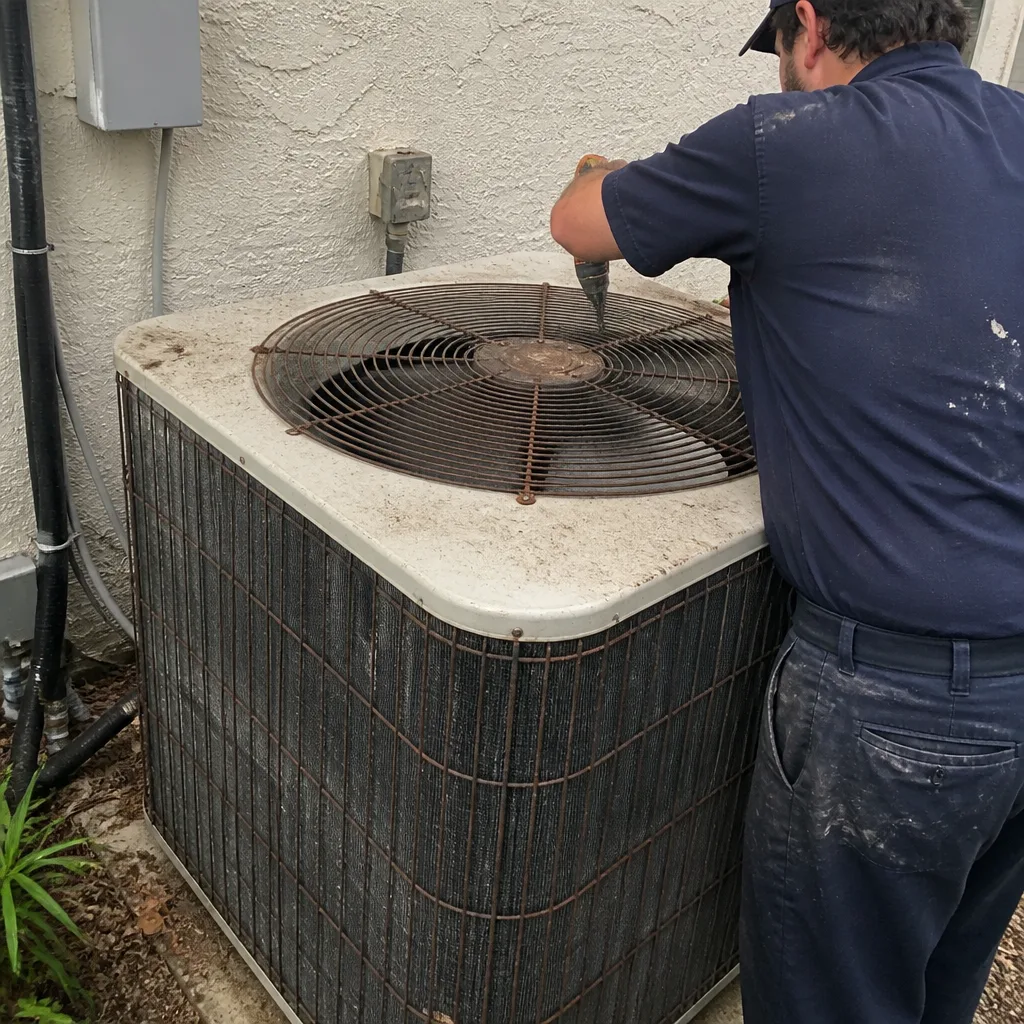 Before
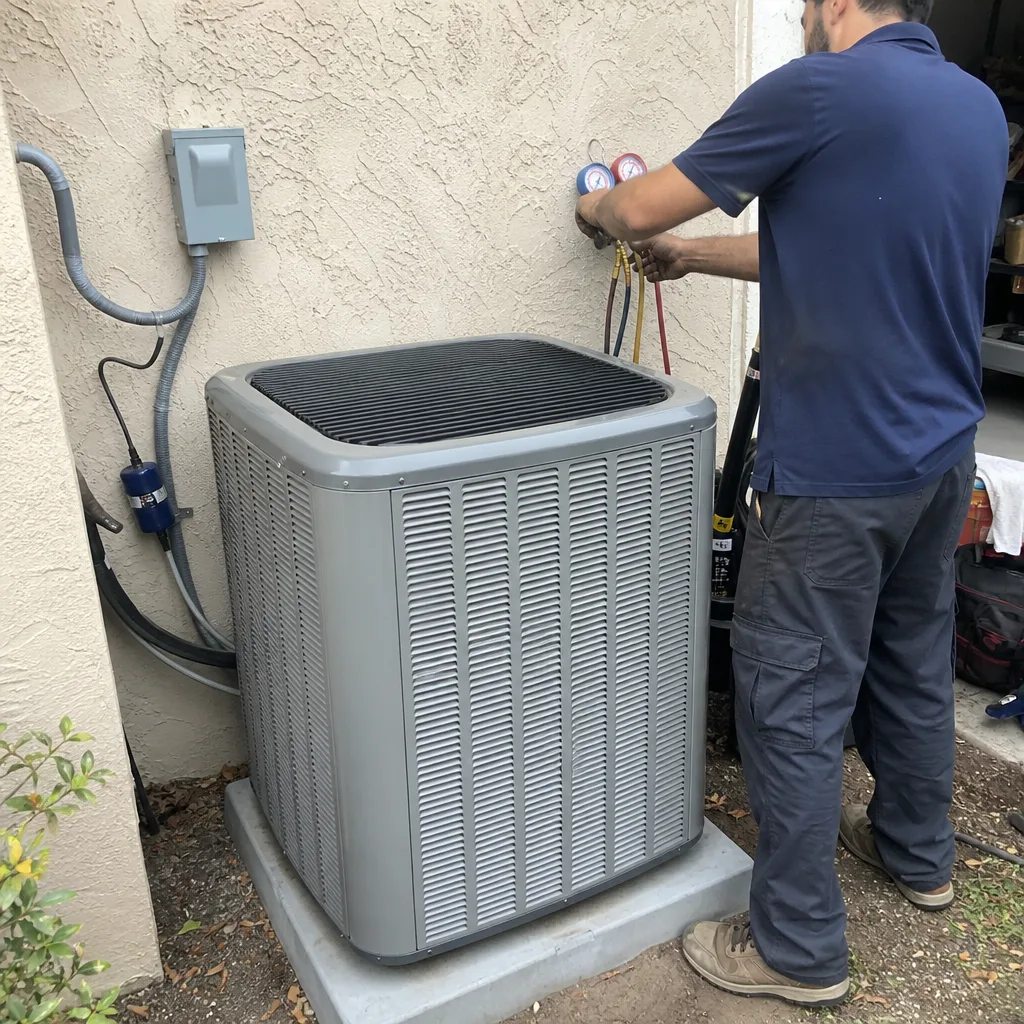 After
After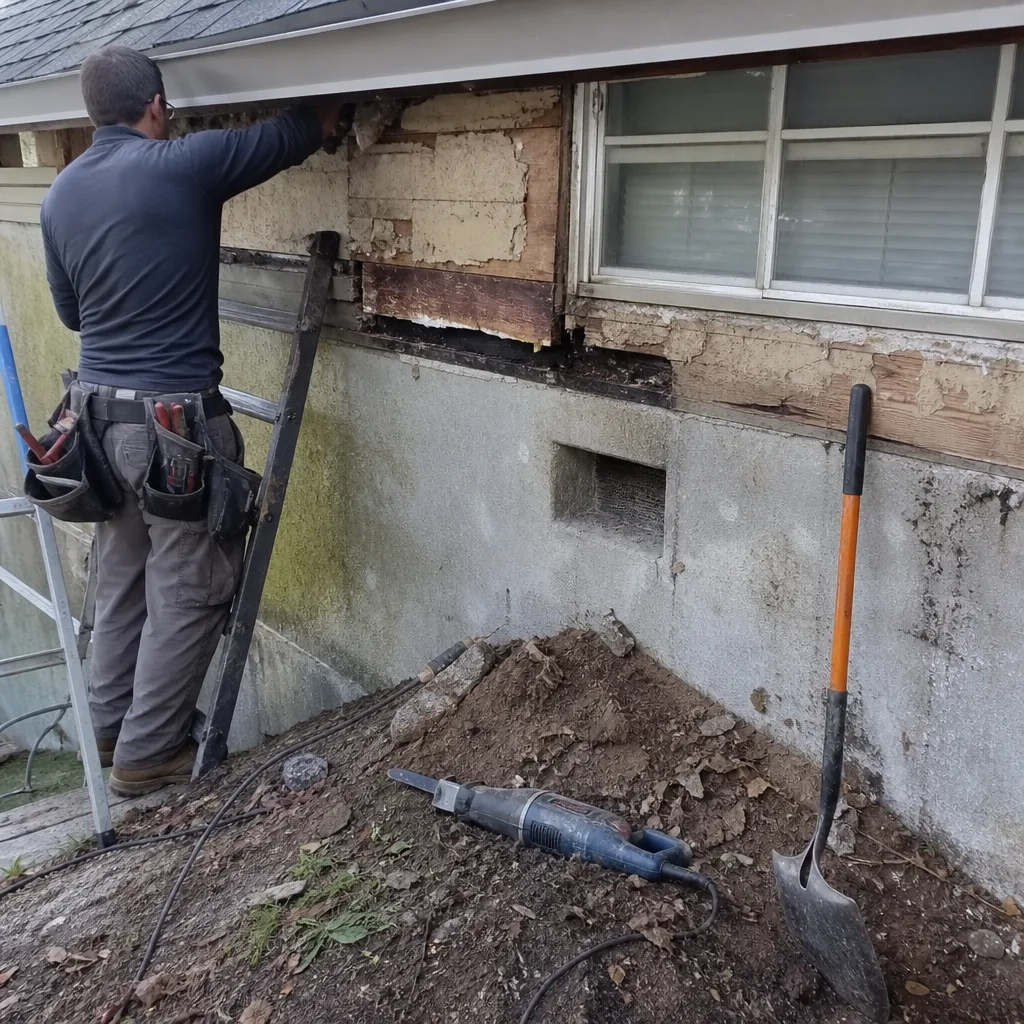 Before
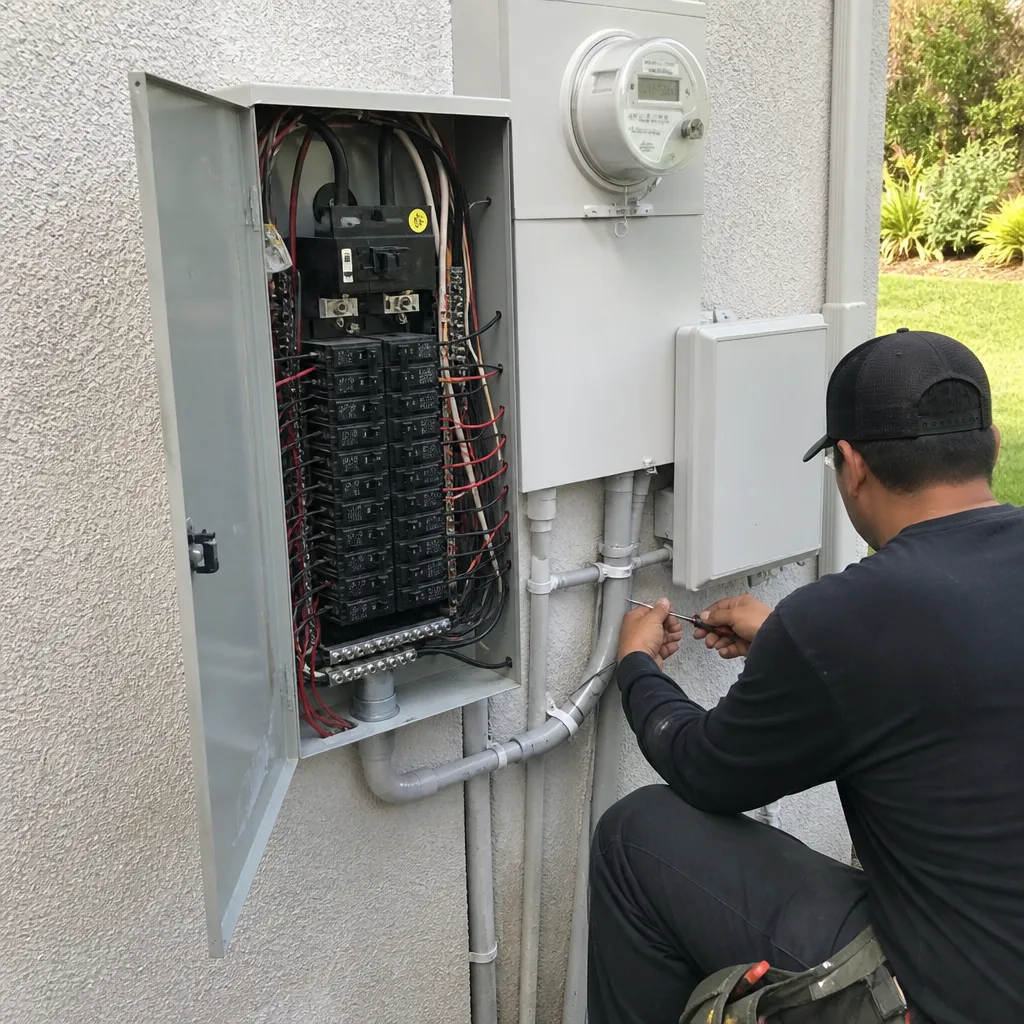 After
After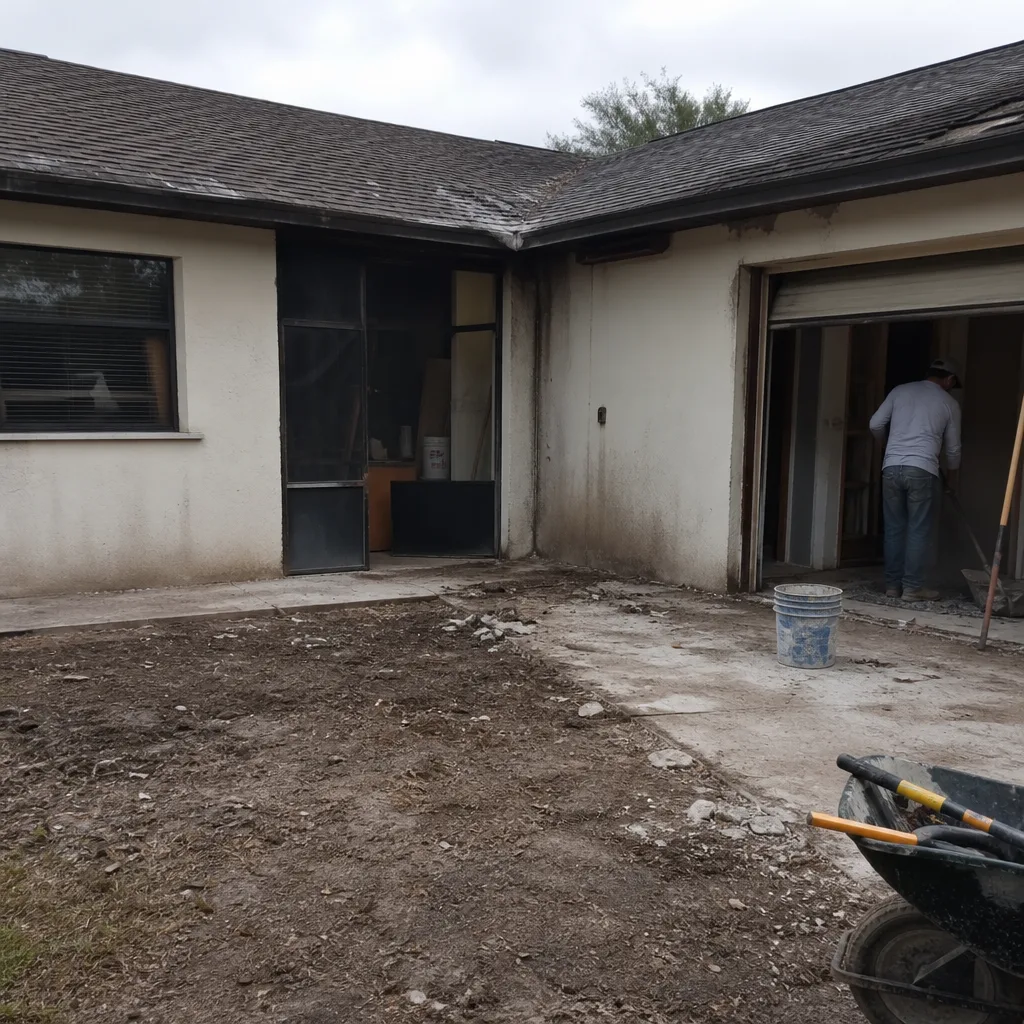 Before
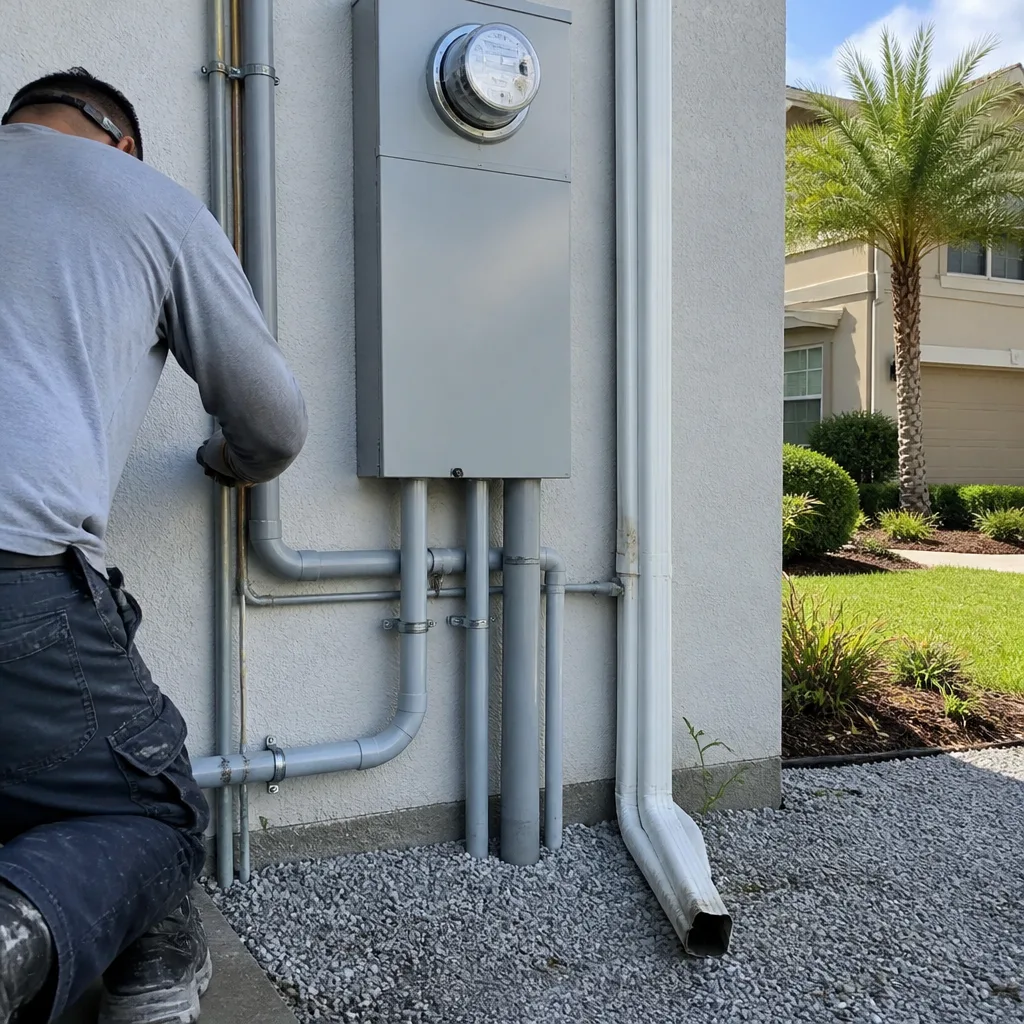 After
AfterWhen to Call a Professional
If you’ve read this guide and realized you already signed a contract with two or three of these warning signs, you should get a second professional opinion before more money changes hands. A reputable contractor can review your existing contract and scope, identify what’s missing, and tell you what your options are. The same applies if a storm chaser has already collected a deposit, if unpermitted work is underway, or if you’re mid-project and communication has collapsed. Stoppage is cheaper than repair. Sawyer Remodel Orlando offers free estimates in Orlando, and we’re happy to look at any situation honestly. Call (850) 809-0306 and we’ll give you a straight answer.
Frequently Asked Questions

Search the contractor’s name or license number on the Florida DBPR website, which is free and public. Confirm the license is active, check the complaint history, and verify the contractor’s physical address matches what they told you. If the search comes up empty, do not hire them.
Ten to thirty percent is the reasonable range for most residential projects in Orlando, with progress payments tied to completed milestones. Anything over 30% upfront is a red flag, and a 50% deposit request should end the conversation on the spot.
Yes, if the work involves plumbing, electrical, structural changes, or anything else requiring a permit under Florida building code. A contractor who suggests skipping permits is avoiding inspection for a reason, and that reason never benefits you. The permit is your legal protection and insurance safeguard.
Stop payments and review the payment schedule in your contract. If the schedule is milestone-based and the milestones haven’t been met, document the shortfall in writing and tell the contractor no further payment will be made until the work matches the schedule. If the schedule is vague, get professional help reviewing it before you pay more.
Ask for the permit number and verify it with the local building department. If the contractor can’t or won’t produce a permit number for work that requires one, you have your answer. Unpermitted work carries insurance and resale consequences that can cost far more than the permit would have.
Our promise means that if work isn’t done right, we make it right for a full year after the project closes. It’s backed in writing, not verbal. If you’re comparing contractors in Orlando, ask each one what their written warranty covers and for how long, then get it in writing. Call (850) 809-0306 for a free estimate that includes the guarantee in writing.
The Bottom Line
Bad contractors in Orlando don’t succeed because they’re brilliant. They succeed because homeowners don’t know the warning signs and don’t perform the five-minute checks that would catch them. A contractor who discourages permits, refuses detailed written pricing, communicates slowly before you’ve signed, pressures you with same-day decisions, or asks for more than 30% upfront is telling you exactly who they are. Believe them. The protection is simple: verify the license, demand a written scope, tie payments to milestones, and never skip the permit. Do those four things and most contractor problems become problems you never have.
Written by Luca Romano, Owner at Sawyer Remodel Orlando, serving Orlando since 2005.