Last updated October 16, 2026








Free written scope consultation - allowances, timeline, and change-order rules on paper before a single trade is scheduled
Construction Permits, Codes & Inspections in FL: What You Need to Know
Florida’s building code exists because Hurricane Andrew flattened Homestead in 1992 and the state decided it would never let sloppy construction kill people like that again. Every window, every roof strap, every concrete pour in Orlando now has a rule behind it. Skip a permit on a remodel and you’re not just breaking a rule, you’re sitting on a problem that can cancel a home sale three years from now when a title search turns up unpermitted work. This guide walks you through exactly which projects need permits in Orange County, what inspectors actually look for, how much it all costs, and where homeowners get burned, with more guides & resources available on our blog. If you’re planning work in Orlando, read this before you swing a hammer.
Styles & brands we work with







Quick Answer
Most structural, electrical, plumbing, and mechanical work in Florida requires a permit from your local building department, and in Orange County that means going through the county portal or the City of Orlando if you live inside city limits. Permit costs in Orlando typically run from $50 for a simple water heater swap to $1,500+ for a full-home renovation, plus plan review fees. The process takes anywhere from 1 to 6 weeks depending on scope, and skipping it can void your homeowner’s insurance and kill a resale.
Table of Contents
- Why Florida’s Building Code Is Different From Every Other State
- Which Projects Require a Permit in Orlando (and Which Don’t)
- Orange County vs. Osceola vs. Seminole: Where the Rules Split
- How to Submit a Permit Through the Orange County Portal: Step-by-Step
- What Gets Rejected Most Often (and How to Avoid It)
- What a Failed Inspection Actually Means: Timeline, Fees, and Fixes
- How Unpermitted Work Shows Up in Title Searches and Kills Closings
- The Homeowner-Builder Exemption: When You Can Pull Your Own Permit
- Common Mistakes to Avoid
- When to Call a Professional
- Frequently Asked Questions
- The Bottom Line
Why Florida’s Building Code Is Different From Every Other State
Florida adopted its first statewide building code in 2002, and it remains the strictest unified code in the country. The reason is simple: wind. A house in Orlando has to stand up to 140 mph gusts in the worst-case storm scenario, which means roof decking has to be nailed at closer intervals, windows have to be impact-rated or protected by shutters in certain zones, and every exterior wall connection from foundation to truss has to be engineered to resist uplift-details covered in our Construction Warning Signs: A Orlando Homeowner’s Reference Guide.
In practical terms, what does this mean for a homeowner remodeling a bathroom in Orlando? Your contractor has to pull a permit for any work that touches the structure, the plumbing, the electrical, or the building envelope. A tile swap on an existing floor usually does not need one. Change the layout so that the toilet moves three feet? That is plumbing work, and Orange County wants it permitted and inspected.
The Florida Building Code gets updated every three years. The current edition, the 8th Edition, took effect December 31, 2023. Each update tightens energy efficiency standards, wind-load requirements, and product approval rules. What passed inspection in 2020 might not pass in 2025. That is one reason we tell Orlando homeowners to work with someone who has been pulling permits here since 2005. The code moves, and staying current is part of the job. Sawyer Remodel Orlando handles permits on every qualified remodel as part of our General Contractor in Orlando service, so the paperwork and scheduling are done for you.
One more thing worth knowing: Florida is one of a handful of states that requires product approvals for building materials used in structural and exterior applications. That means the window or the roof underlayment your contractor installs has to have a Florida Product Approval number on file with the state. If a product is not approved and a future inspection or insurance claim digs into the details, you can be denied coverage.
Which Projects Require a Permit in Orlando (and Which Don’t)
Here is the honest answer most homeowners do not want to hear: if the work touches systems inside your walls or changes the footprint of your house, it needs a permit. If it is cosmetic, it usually does not.
In Orlando and throughout Orange County, the following projects require a building permit:
- Bathroom remodels that move plumbing fixtures. Moving a sink drain, toilet flange, or shower valve is plumbing work and needs a permit plus a rough-in inspection before the walls close.
- Kitchen remodels that relocate appliances or alter electrical. Adding a dedicated circuit for a wall oven, moving a gas line for a range, or changing the layout of receptacles all trigger permit requirements.
- Window and door replacements that change opening sizes. Swapping a same-size window for a same-size window is often exempt. Enlarging an opening, adding a new window, or cutting a new door into an exterior wall requires a permit and engineered details for the header.
- Roof replacements. Orange County requires a permit for full roof replacement, including the re-nailing inspection and a final inspection. This is also where the wind mitigation credits for insurance come from.
- Water heater replacements. Yes, even a same-day swap needs a permit. The permit is cheap and the inspection is quick, but it is required.
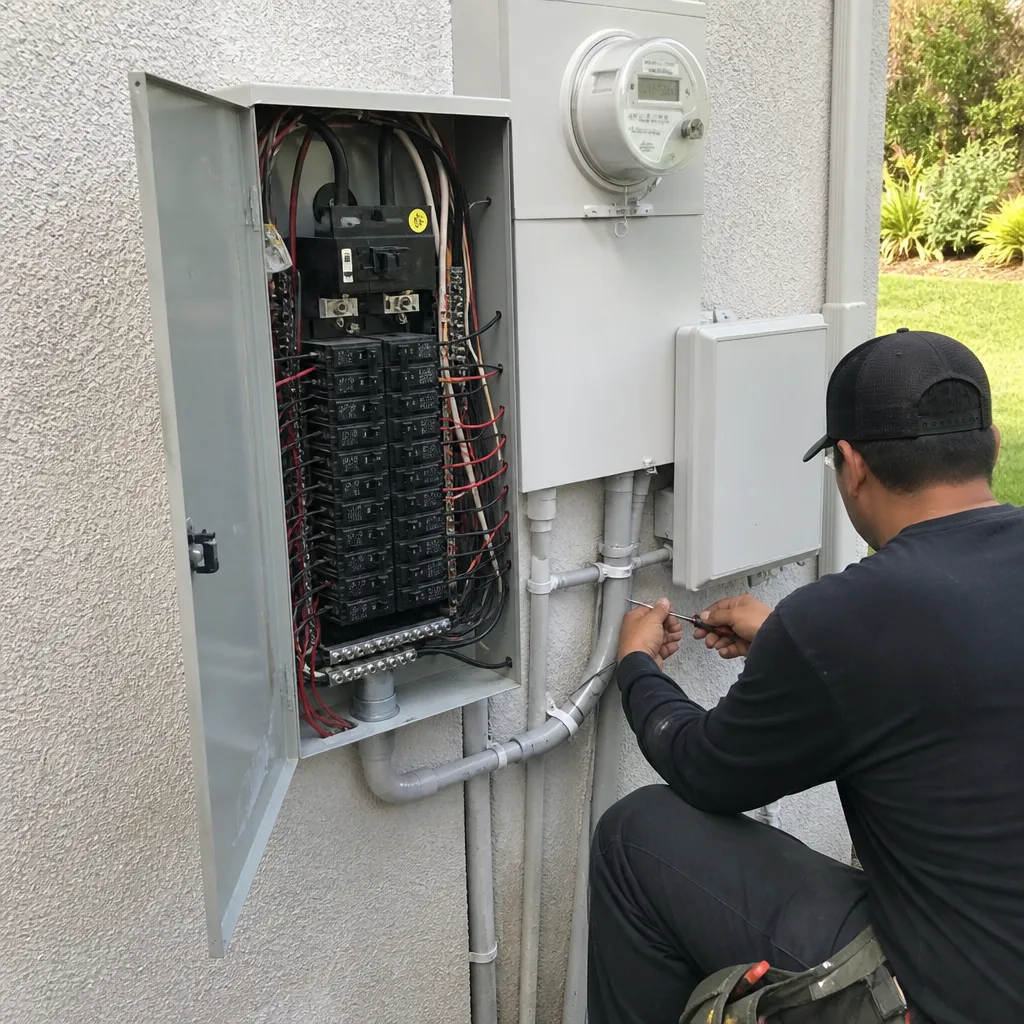
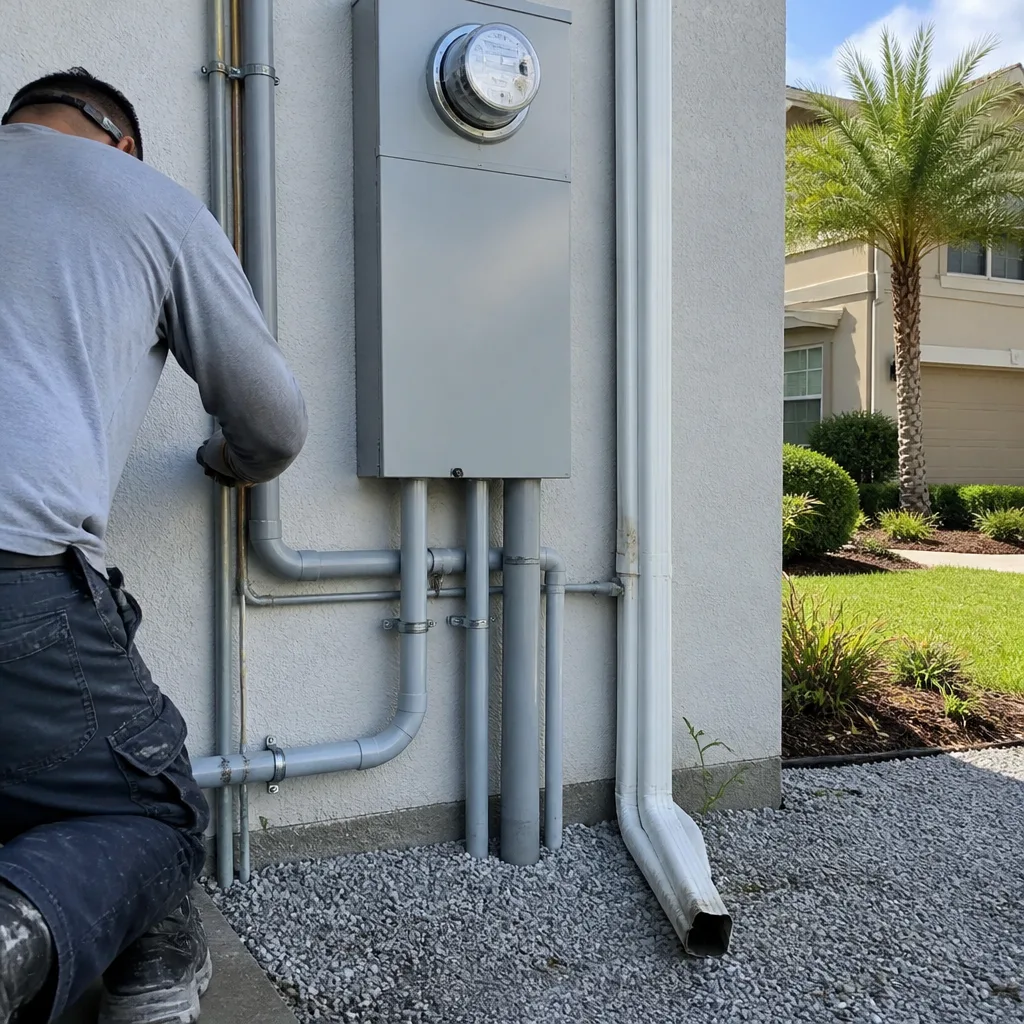
- Electrical panel upgrades and rewiring. Any panel replacement from 100 amp to 200 amp, or any new circuit run, needs an electrical permit and a rough-in inspection.
- Structural work. Removing a load-bearing wall, adding a beam, or cutting into the roof trusses requires engineered drawings and a plan review.
- Additions and room conversions. A garage conversion, a lanai enclosure, a new bedroom, or any change to the conditioned square footage of your home requires full plans and permitting.
Projects that generally do not require a permit in Orlando:
- Painting, flooring, and baseboards.
- Replacing existing light fixtures with new fixtures in the same location.
- Swapping a faucet or a toilet for a new one in the exact same footprint with no supply or drain line changes.
- Replacing cabinet doors and drawer fronts without moving the cabinet boxes.
- Countertop replacement on existing cabinets when no plumbing or electrical moves.
The gray zone sits between those two lists. A Bathroom Remodeling in Orlando job that keeps everything in place but replaces the shower valve might technically need a permit for the valve replacement while the tile work stays exempt. That is why we recommend calling your local building department or having your contractor check the scope before demo starts.
Orange County vs. Osceola vs. Seminole: Where the Rules Split
Owners often assume Florida’s rules are the same across the Orlando metro. They are not. Each county, and sometimes each city inside a county, writes its own fee schedule and sets its own administrative process on top of the state code.
In Orange County, unincorporated areas go through the Orange County Division of Building Safety using the Fast Track Online Services portal. The City of Orlando has its own permitting department and its own fee schedule for properties inside city limits, with the same state code applied but a separate review queue. If you live in Orlando proper, you file with the city, not the county.
In Osceola County, the permit process runs through the Osceola County Building Department, and the permitting fees are generally lower for like-for-like projects than Orange County’s fees. The inspection scheduling system also works a bit differently, with next-day inspection windows in most cases.
In Seminole County, homeowners use the Seminole County Community Development portal, which historically has faster turnaround on simple permits. But Seminole is stricter on documenting existing conditions in photos and plans, especially for additions and exterior changes.
If you are within Orlando city limits, you follow City of Orlando rules. If you are in unincorporated Orange County, you follow county rules. If you live in Kissimmee, you are under Osceola. If you live in Sanford, you are under Seminole. The state code is the floor, but the process and the fees are local. A contractor who works all three counties every week will already know which portal and which inspector’s quirks to expect. When Sawyer Remodel Orlando files permits in Orange, Osceola, and Seminole, we file through the correct local portal and handle the resubmission if a plan review comes back with comments.
How to Submit a Permit Through the Orange County Portal: Step-by-Step
Here is the actual process for a homeowner pulling a permit in Orange County in 2025. The Fast Track portal has made the paperwork easier than the old paper days, but the order of operations still trips people up.
- Create an account on Fast Track Online Services. You will need a valid email address, your property address, and your parcel ID number, which you can look up through the Orange County Property Appraiser’s site.
- Determine your permit type. For simple projects like a water heater or an electrical panel swap, select the trade-specific permit. For remodels involving more than one trade, select a building permit with the relevant sub-permits attached.
- Upload your documents. For most remodels, you will need a site plan or floor plan showing the existing and proposed conditions. Even a simple sketch gets reviewed. If you are doing structural work, you need signed and sealed engineering drawings.
- Pay the permit fee. Fees are due at submission for trade permits and typically billed after plan review for building permits. Orange County’s minimum permit fee for most residential work starts around $50, with plan review fees added on top for more complex projects.
- Wait for plan review. Simple trade permits may be approved in 1 to 3 business days. Residential remodels typically take 5 to 10 business days for first review. If comments come back, you address each comment and resubmit, which starts another review cycle.
- Print and post the permit. Once approved, the permit must be posted at the job site and available for the inspector at each inspection.
- Schedule inspections. Each permit has a required sequence of inspections. For a bathroom remodel, expect a rough-in inspection for plumbing and electrical before insulation and drywall, then a final inspection when everything is complete.
The approval windows in 2025 are running slower than they did ten years ago, mostly because plan reviews are backed up in the spring and summer construction season. A bathroom remodel that would have moved through Orange County review in seven business days is sometimes taking three weeks in the peak season. Budget that into your timeline. Our Home Renovation in Orlando team files permits early in the process precisely because we know the review queue is a bottleneck.
What Gets Rejected Most Often (and How to Avoid It)
After handling hundreds of permit submissions in the Orlando area, we can tell you the exact reasons Orange County plan reviewers bounce applications back. These are the same comments we see over and over.
- Incomplete site plans. The drawing does not show the property lines, the location of the house on the lot, or the planned work area. A napkin sketch with no dimensions gets rejected every time.
- Missing product approvals. The plan calls for a window or a roof assembly that does not have a valid Florida Product Approval number. The fix is to swap the spec for an approved product, which is why we spec name-brand materials like CWS and ES Windows that already carry Florida approvals.
- No engineered details for structural changes. A plan that says “remove wall, add beam” without a signed and sealed beam calculation does not get through review. Same for truss modifications on roof work.
- Energy code compliance missing. Florida’s energy code requires a specific form showing the planned insulation, window U-factor, and mechanical equipment efficiency. Missing that form is an automatic response for correction.
- Wrong permit type selected. Filing a trade permit when the scope actually needs a building permit with sub-permits wastes a week and requires a refund and resubmission.
- Fee underpayment. Orange County charges plan review fees based on the valuation of the work. If the valuation listed on the application does not match the construction documents, the application gets paused until the difference is paid.
The fastest way to avoid rejection is to file a complete package the first time. That means a clear plan, the right product approvals, and the right permit type. It is the difference between a permit in two weeks and a permit in six.
What a Failed Inspection Actually Means: Timeline, Fees, and Fixes
You filed, you got approved, the work got done, and now the inspector is at the door. Then the inspection fails. Now what?
A failed inspection in Orange County means the inspector wrote a correction notice listing exactly what does not meet code. You cannot proceed to the next phase of the project until those items are corrected and the inspection is re-requested. The re-inspection fee for most Orange County residential inspections runs between $75 and $150 per visit, paid before the inspector comes back out.
Here is what the timeline realistically looks like. The inspector issues the correction notice on day one. Your contractor fixes the listed items, which may take a day for something simple like a missing nail plate, or a week if the issue is something structural like an improperly sized header. Once the correction is addressed, you request the re-inspection through the portal. Depending on the current queue, the inspector returns in one to three business days.
The practical cost of a failed inspection is not just the re-inspection fee. It is the delay. A failed rough-in inspection on a bathroom remodel pauses the entire project. You cannot insulate, close the walls, or set the tile until the rough-in passes. Every day spent fixing the correction is a day the job loses momentum.
In our experience in Orlando, the most common rough-in failure is a missed nail plate where a wire passes close to the face of a stud, followed by improper venting connections on a relocated sink. Both are quick fixes, but they are exactly the things a contractor who knows the local inspectors will catch before the inspector ever arrives. That is the argument for hiring someone who has been through hundreds of Orange County inspections rather than attempting a DIY permit on your first try, a choice we explore in our DIY vs Professional Construction: The Orlando Homeowner’s Decision Guide.
How Unpermitted Work Shows Up in Title Searches and Kills Closings
Orlando’s resale market has been running hot for years, which means title companies are doing more scrutiny on every closing than they did a decade ago. Unpermitted work shows up in title searches in a few specific ways, and each one can derail a sale.
First, the county property appraiser’s office tracks the square footage, the number of bedrooms, and the number of bathrooms on file. When a buyer’s lender sends an appraiser to the house and the appraiser finds a converted garage or an added bathroom that does not match county records, the loan gets flagged. The appraiser notes the discrepancy, and the underwriter asks whether the work was permitted. If it was not, the loan can be killed on the spot.
Second, when a seller completes a seller’s disclosure, they are asked whether any work was done without permits. A seller who lies on that disclosure has committed fraud. A seller who tells the truth loses the sale or has to negotiate a price cut to cover the cost of retroactive permitting.
Third, the title search itself looks for open permits and code enforcement liens. An open permit from a 2019 remodel that was never finalized shows up as a cloud on the title and has to be resolved before transfer. If the license holder who pulled the permit is gone, the homeowner may have to hire a new contractor to finish, inspect, and close the old permit.
We have watched this exact scenario play out in Orlando neighborhoods like Conway and College Park: a seller lists on a Wednesday, accepts an offer by Sunday, and discovers by Thursday that the converted garage or the added half-bath from ten years ago was never permitted. The deal stalls, the price drops, and the closing moves by a month. The cost of pulling the proper permit years earlier would have been a few hundred dollars. The cost of fixing it at closing is measured in thousands and lost time.
The Homeowner-Builder Exemption: When You Can Pull Your Own Permit
Florida law allows a homeowner to act as their own general contractor and pull a building permit for their own residence under the homeowner-builder exemption. This is a real option for the right person, but it has hard legal limits that most people never hear about until it is too late.
Under the exemption, you can permit work on your own single-family home or duplex as long as you do the work yourself or hire and supervise direct subcontractors. The catch comes in Florida Statute 489.103, which says the exemption only applies if the home is for your own use and not for sale. If you pull a homeowner-builder permit and then sell or rent the property within one year of completing the work, the state presumes you were acting as an unlicensed contractor. That presumption can be overcome, but it requires evidence and an attorney.
There is another catch on the insurance side. When you act as your own general contractor, you assume all the risk. Your homeowner’s insurance likely does not cover injuries to hired workers on the job site. If a helper falls off a ladder, you are personally liable. A licensed contractor carries workers’ compensation and liability insurance. You probably do not.
The exemption also does not let you do work you are not qualified to do. You cannot pull a homeowner-builder permit for plumbing and then have a handyman do the work without a plumbing license. The trades still require licensed subcontractors. The exemption just lets you coordinate them.
In Orange County, the homeowner-builder form is part of the permit application, and the county requires you to sign an affidavit affirming you understand the limits of the exemption and that you will not sell or rent the home within the one-year window. For most busy homeowners in Orlando, the simplest path is hiring a licensed contractor who carries the permits, the insurance, and the responsibility. Our Sawyer Remodel Orlando home service handles the permit filing and inspection scheduling as part of the remodel, so you never have to sign that affidavit in the first place.
Common Mistakes to Avoid
- Starting demo before the permit is approved. Orange County can issue a stop-work order on a project that started without an approved permit. A stop-work order is a matter of public record and shows up in any future title search.
- Assuming a handyman can pull a permit. Only a licensed contractor or a homeowner under the exemption can pull a permit. A handyman without a license cannot legally pull one, and if they say they can, they are either mistaken or lying.
- Underreporting the project valuation to lower the permit fee. Orange County checks the stated valuation against the scope of work, and a lowball number is a red flag that can lead to a rejection or an audit.
- Skipping the final inspection. An open permit that is never finalized keeps a cloud on the property record. A homeowner may forget about it, but the title search at sale will not.
- Buying unapproved materials to save money. Imported windows or off-brand roof underlayment without a Florida Product Approval number will fail inspection. Stick with approved brands, which is why we install name-brand products like Mr-Glass, ECO Window Systems, and ES Windows that already carry the needed Florida approvals.
- Ignoring HOA approval requirements. Many Orlando homeowners live in communities with an HOA that has its own approval process for exterior changes. The HOA approval does not replace a county permit, and the county permit does not satisfy the HOA. You need both.
- Paying a contractor in full before the final inspection passes. If the contractor disappears, you are stuck finding someone new to close out the permit and pass the final. Hold the final payment until the permit is closed.
When to Call a Professional
You can handle a simple faucet swap or a paint job without a permit and without a contractor. But the moment your remodel touches plumbing, electrical, structure, or the exterior envelope, you want a licensed professional who pulls the permit, schedules the inspections, and stands behind the work, as outlined in our General Contractor Maintenance Checklist for Orlando Homeowners. This is doubly true if the project involves moving walls, relocating a shower, or replacing windows and doors in an older Orlando home where hidden conditions are likely.
Sawyer Remodel Orlando has been pulling permits and passing inspections in the Orlando area since 2005. We handle the paperwork, the plan review, the inspection scheduling, and the corrections if one comes back. Every project gets a written price before work starts, and every permit runs through to final sign-off. If you are planning a remodel in Orlando and want the permitting handled correctly from day one, call (850) 809-0306 for a free estimate.
Frequently Asked Questions
A building permit in Orange County or the City of Orlando typically costs between $50 for a simple trade permit like a water heater swap and $1,500 or more for a full remodel or addition, with plan review fees added separately based on the project valuation. Most residential remodels land in the $300 to $800 range for permit and review fees. Call (850) 809-0306 and we can tell you exactly what the permit will cost on your specific scope before you commit.
Simple trade permits in Orange County are usually approved in 1 to 3 business days, while residential remodel permits take 5 to 10 business days for first review and longer if comments come back. Peak spring and summer construction season adds time to that window.
Unpermitted work in Orlando can trigger a stop-work order, a code enforcement fine, an insurance claim denial, and a failed title search when you try to sell. The county can also require you to open finished walls for inspection at your own expense or, in extreme cases, order demolition of the unpermitted work.
Yes, under the homeowner-builder exemption, but only if the work is on your own residence, you supervise the subcontractors directly, and you do not sell or rent the property within one year of completion. The exemption carries personal liability for worker injuries and does not let you perform licensed trades yourself without the right license.
Replacing an existing window with a new window of the same size in the same opening often does not require a permit. Enlarging a window opening, adding a new window, or cutting a new door into an exterior wall requires a permit and engineered header details.
A home inspector may flag visible unpermitted work, but the real catch usually happens on the appraisal or the title search, where the square footage, room count, or open permits do not match county records. Lenders will not close on a loan with open permits or unpermitted additions.
The Bottom Line
Florida’s permit system has real teeth, and Orlando enforces it. The permit process adds time and money to a remodel, but skipping it risks far more: a failed inspection, an insurance claim denial, or a sale that stalls at the title search. Pull the permit, hire a contractor who knows the Orange County portal and the local inspectors, and get the final sign-off before you pay the final check. That is the difference between a remodel that protects your home’s value and a remodel that quietly undermines it. If you would rather have the whole process handled, call (850) 809-0306 and we will walk you through the permit scope and the written price before any work starts.
Written by Luca Romano, Owner at Sawyer Remodel Orlando, serving Orlando since 2005.
See the difference
 Before
 After
After Before
 After
After Before
 After
After